

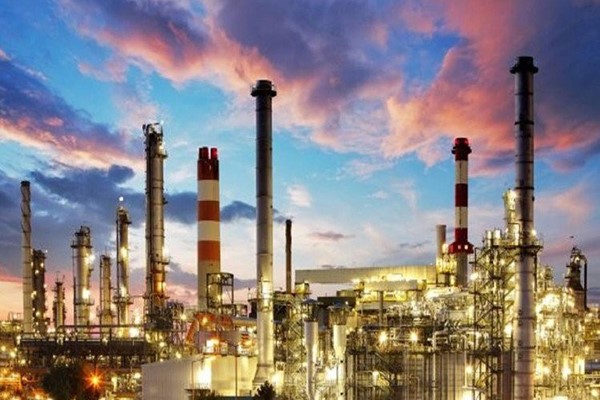
Introduction to Air Separation Units (ASU)
Air Separation Units (ASUs) are essential industrial systems designed to separate atmospheric air into high-purity oxygen, nitrogen, and argon through cryogenic distillation technology. In modern heavy industries, especially steel manufacturing, reliable gas supply directly impacts production efficiency, product quality, and operational stability.
Cryogenic air separation remains the most advanced and scalable technology capable of delivering continuous large-volume industrial gases required by integrated steel plants.
Why Steel Plants Depend on Industrial Gas Supply
Steel production is an energy-intensive process requiring precise chemical reactions and controlled atmospheres. Industrial gases produced by ASUs play critical roles throughout the entire steelmaking process:
Oxygen improves combustion efficiency in blast furnaces
Nitrogen provides protective atmospheres during heat treatment
Argon enhances steel purity during secondary refining
Without a stable gas supply system, modern steel production cannot achieve high productivity or consistent metallurgical performance.
How Cryogenic ASU Technology Works
Cryogenic ASU systems operate by compressing and purifying ambient air before cooling it to extremely low temperatures. Through multi-stage heat exchange and distillation columns, air components are separated according to their boiling points.
Key process stages include:
Air compression and purification
Cryogenic cooling via heat exchangers
Turbo expansion for temperature reduction
Fractional distillation in cold boxes
Continuous gas collection and distribution
This process enables oxygen purity up to 99.7% and nitrogen purity reaching 99.999%, making cryogenic ASU ideal for demanding steel industry applications.
Key Applications of ASU in Steel Manufacturing
Blast Furnace Oxygen Enrichment
High-purity oxygen increases combustion temperature, reduces coke consumption, and improves overall furnace productivity.
Basic Oxygen Furnace (BOF) Steelmaking
Large volumes of oxygen are injected to remove impurities from molten iron, accelerating refining reactions and improving steel quality.
Secondary Metallurgy and Continuous Casting
Argon gas prevents oxidation, removes inclusions, and ensures cleaner steel structures.
Heat Treatment Protection
Nitrogen creates inert atmospheres that prevent oxidation and decarburization during thermal processing.
Benefits of Modern ASU Systems for Steel Producers
Modern cryogenic ASU plants provide several operational advantages:
Continuous and stable gas supply
High purity for advanced metallurgy
Lower long-term production costs
Improved energy efficiency
Support for large-scale industrial operations
As steel manufacturers pursue energy optimization and low-carbon production, efficient ASU integration has become a strategic investment.
NEWTEK's Vision for Efficient Gas Solutions
NEWTEK focuses on delivering advanced air separation solutions tailored for modern steel plants. By combining optimized engineering design, energy-efficient operation, and intelligent control systems, NEWTEK supports steel producers in achieving reliable gas supply and sustainable production performance.
With growing global demand for cleaner and more efficient steel manufacturing, innovative ASU technologies will continue to play a central role in shaping the future of industrial gas systems.


