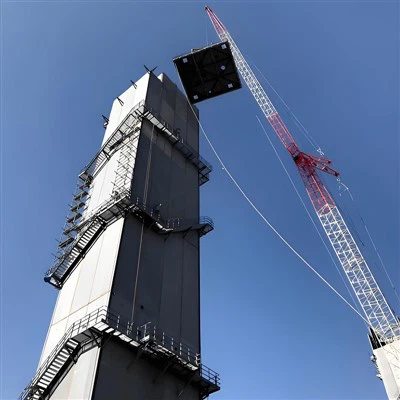
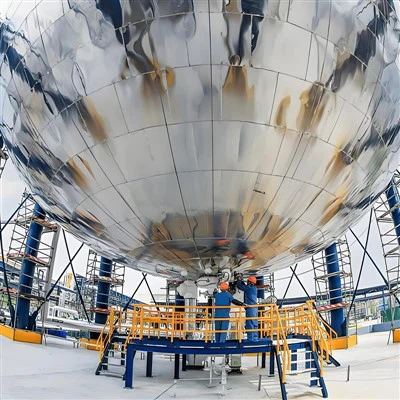
Hey there! As a supplier for Carbon Capture Plants, I've seen firsthand the challenges these plants face, especially when it comes to corrosion in equipment. Corrosion can be a real headache for Carbon Capture Plants. It not only shortens the lifespan of the equipment but also affects the overall efficiency and safety of the entire operation. So, let's dive into how these plants manage corrosion in their equipment.
Understanding the Corrosive Environment in Carbon Capture Plants
First things first, we need to understand why corrosion is such a big deal in Carbon Capture Plants. In these plants, the process involves capturing carbon dioxide (CO2) from industrial emissions or the atmosphere. This process often takes place in harsh chemical environments. For example, the solvents used to absorb CO2 can be highly corrosive. Amines, which are commonly used in post - combustion carbon capture processes, can react with water and CO2 to form corrosive compounds.
Moreover, the high temperatures and pressures in some parts of the plant can exacerbate the corrosion process. When the captured CO2 is compressed and stored, the equipment has to withstand extreme conditions. The combination of these factors makes the equipment in Carbon Capture Plants extremely vulnerable to corrosion.
Material Selection
One of the most fundamental ways to manage corrosion is through proper material selection. When designing and building Carbon Capture Plants, engineers need to choose materials that can resist the corrosive environment. Stainless steels are a popular choice. They contain chromium, which forms a passive oxide layer on the surface of the metal. This layer acts as a barrier, preventing further corrosion. For example, austenitic stainless steels like 304 and 316 are often used in the construction of pipes and tanks in Carbon Capture Plants.
Another option is using nickel - based alloys. These alloys have excellent corrosion resistance, especially in high - temperature and high - pressure environments. They can withstand the aggressive chemicals used in the carbon capture process. For instance, Inconel alloys are known for their resistance to corrosion in acidic and alkaline solutions, making them suitable for components in Carbon Capture Plants.
Ceramics are also being considered for certain applications. They are highly resistant to corrosion and can withstand high temperatures. However, they are brittle and more difficult to fabricate compared to metals. So, they are usually used in specific parts of the plant where their unique properties are most beneficial.
Coating Technologies
In addition to material selection, coating technologies play a crucial role in corrosion management. Coatings act as a protective layer between the metal surface and the corrosive environment. There are several types of coatings available for Carbon Capture Plant equipment.


Epoxy coatings are widely used because they provide good adhesion and chemical resistance. They can be applied to the interior of pipes and tanks to prevent corrosion. Polyurethane coatings are another option. They offer excellent abrasion resistance in addition to corrosion protection. This is important because the equipment in Carbon Capture Plants may be subject to wear and tear during operation.
Ceramic coatings are also gaining popularity. They can provide high - temperature corrosion resistance. These coatings are often applied using thermal spraying techniques, which create a dense and durable protective layer on the metal surface.
Corrosion Monitoring
Corrosion monitoring is an essential part of managing corrosion in Carbon Capture Plants. By regularly monitoring the corrosion rate, plant operators can detect early signs of corrosion and take appropriate action before it causes significant damage.
There are several methods for corrosion monitoring. One common method is using corrosion coupons. These are small pieces of the same material as the equipment, which are placed in the plant. By periodically removing and analyzing the coupons, operators can measure the amount of corrosion that has occurred.
Electrochemical methods are also widely used. For example, electrochemical impedance spectroscopy (EIS) can be used to measure the electrical properties of the metal - electrolyte interface. Changes in these properties can indicate the onset of corrosion. Ultrasonic testing can be used to detect internal corrosion in pipes and tanks. It works by sending ultrasonic waves through the material and analyzing the reflections.
Chemical Inhibitors
Chemical inhibitors are substances that can be added to the process fluids to reduce the corrosion rate. They work by either forming a protective film on the metal surface or by interfering with the electrochemical reactions that cause corrosion.
In Carbon Capture Plants, different types of inhibitors are used depending on the specific corrosive environment. For example, in amine - based carbon capture processes, corrosion inhibitors are added to the amine solution to prevent corrosion of the equipment. These inhibitors can be organic or inorganic compounds. Organic inhibitors often contain nitrogen, sulfur, or oxygen atoms, which can adsorb onto the metal surface and form a protective layer.
Design Considerations
Proper design of the equipment in Carbon Capture Plants can also help manage corrosion. For example, avoiding sharp corners and crevices in the design can reduce the likelihood of corrosion. These areas can trap corrosive fluids and create a more aggressive environment for corrosion.
The layout of the plant should also be designed to ensure proper drainage. Stagnant water or process fluids can increase the corrosion rate. By ensuring that the fluids can flow freely through the equipment, the risk of corrosion can be reduced.
Collaboration with Suppliers
As a Carbon Capture Plant supplier, I understand the importance of collaboration. We work closely with plant operators and engineers to provide the best solutions for corrosion management. We offer a wide range of products, including corrosion - resistant materials, coatings, and monitoring equipment.
For example, if a plant operator is experiencing corrosion problems in a particular area of the plant, we can analyze the situation and recommend the most suitable material or coating. We also provide technical support to ensure that the products are installed and used correctly.
Conclusion
Managing corrosion in Carbon Capture Plants is a complex but essential task. By using a combination of material selection, coating technologies, corrosion monitoring, chemical inhibitors, and proper design, plant operators can effectively reduce the risk of corrosion and extend the lifespan of their equipment.
If you're involved in a Co2 Generation Plant, Carbon Removal Plant, or Carbon Dioxide Manufacturing Plant and are facing corrosion challenges, don't hesitate to reach out. We're here to help you find the best solutions for your specific needs. Let's work together to ensure the smooth and efficient operation of your Carbon Capture Plant.
References
- Uhlig, H. H., & Revie, R. W. (1985). Corrosion and Corrosion Control: An Introduction to Corrosion Science and Engineering. Wiley.
- Fontana, M. G. (1986). Corrosion Engineering. McGraw - Hill.
- Roberge, P. R. (2006). Corrosion Engineering Handbook. McGraw - Hill.