Maintaining a liquid nitrogen plant is a critical task that requires a combination of technical knowledge, routine inspections, and adherence to safety protocols. As a reputable supplier of liquid nitrogen plants, I understand the importance of proper maintenance to ensure the efficient and safe operation of these complex systems. In this blog post, I will share some essential tips on how to maintain a liquid nitrogen plant effectively.
Understanding the Basics of a Liquid Nitrogen Plant
Before delving into maintenance procedures, it's essential to have a basic understanding of how a liquid nitrogen plant works. Liquid nitrogen plants typically use a cryogenic distillation process to separate nitrogen from air. The process involves compressing air, removing impurities such as moisture and carbon dioxide, and then cooling the air to extremely low temperatures. At these low temperatures, the nitrogen in the air liquefies and can be separated from other components.
There are different types of liquid nitrogen plants available, including Large Size Liquid Nitrogen Plant, Cryogenic Liquid Nitrogen Unit, and Liquid Oxygen Nitrogen Plants. Each type has its own unique features and maintenance requirements, but the general principles of maintenance remain the same.
Routine Inspections
Regular inspections are the cornerstone of maintaining a liquid nitrogen plant. These inspections should be conducted at scheduled intervals to identify any potential issues before they escalate into major problems. Here are some key areas that should be included in routine inspections:
Compressor System
The compressor is the heart of the liquid nitrogen plant, responsible for compressing the air to the required pressure. Inspect the compressor for any signs of wear and tear, such as leaks, abnormal vibrations, or unusual noises. Check the oil level and quality regularly, and replace the oil as recommended by the manufacturer. Inspect the air filters and replace them if they are dirty or clogged to ensure proper airflow.
Cooling System
The cooling system is crucial for maintaining the low temperatures required for the liquefaction process. Inspect the cooling towers, condensers, and heat exchangers for any signs of fouling, corrosion, or leaks. Check the coolant levels and ensure that the cooling fans are functioning properly. Clean the condenser coils regularly to improve heat transfer efficiency.


Distillation Column
The distillation column is where the nitrogen is separated from the air. Inspect the column for any signs of damage, such as cracks or leaks. Check the packing material inside the column to ensure that it is in good condition and not clogged. Monitor the column's temperature and pressure sensors to ensure that they are providing accurate readings.
Storage Tanks
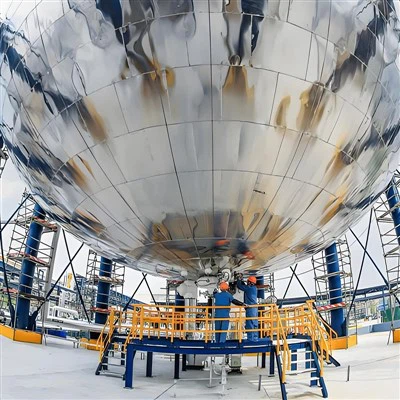
The storage tanks are used to store the liquid nitrogen produced by the plant. Inspect the tanks for any signs of damage, such as dents, scratches, or corrosion. Check the insulation on the tanks to ensure that it is intact and providing adequate thermal protection. Monitor the tank levels and pressure regularly to prevent overfilling or underpressure.
Control System
The control system is responsible for monitoring and regulating the operation of the liquid nitrogen plant. Inspect the control panels, sensors, and wiring for any signs of damage or malfunction. Check the software and firmware updates regularly to ensure that the control system is operating at its optimal performance.
Preventive Maintenance
In addition to routine inspections, preventive maintenance measures should be taken to extend the lifespan of the liquid nitrogen plant and minimize the risk of breakdowns. Here are some preventive maintenance tasks that should be performed regularly:
Lubrication
Lubrication is essential for reducing friction and wear in the moving parts of the plant. Follow the manufacturer's recommendations for lubrication intervals and use the appropriate lubricants. Over-lubrication can be just as harmful as under-lubrication, so it's important to apply the right amount of lubricant.
Calibration
Regular calibration of the sensors and instruments is necessary to ensure accurate readings and reliable operation of the plant. Calibrate the temperature, pressure, flow, and level sensors at least once a year or as recommended by the manufacturer. Use calibrated reference standards to ensure the accuracy of the calibration process.
Replacement of Wear Parts
Certain parts of the liquid nitrogen plant, such as gaskets, seals, and filters, are subject to wear and tear over time. Replace these wear parts at regular intervals to prevent leaks and other issues. Keep a stock of commonly used wear parts on hand to minimize downtime in case of a breakdown.
Cleaning
Regular cleaning of the plant's components is important for maintaining their performance and preventing the buildup of contaminants. Clean the air filters, heat exchangers, condensers, and other components using appropriate cleaning agents and methods. Avoid using abrasive cleaners that can damage the surfaces of the components.
Safety Considerations
Maintaining a liquid nitrogen plant involves working with extremely cold temperatures and high pressures, so safety should always be the top priority. Here are some important safety considerations to keep in mind:
Personal Protective Equipment (PPE)
Wear appropriate PPE, such as cryogenic gloves, safety glasses, and face shields, when working with liquid nitrogen. PPE helps protect against cold burns, frostbite, and eye injuries. Make sure that all employees are trained on the proper use and care of PPE.
Ventilation
Ensure that the plant is well-ventilated to prevent the accumulation of nitrogen gas, which can displace oxygen and cause asphyxiation. Install ventilation systems and monitors to detect any leaks or abnormal levels of nitrogen gas.
Emergency Procedures
Develop and implement emergency procedures for dealing with potential hazards, such as leaks, fires, and explosions. Train all employees on the emergency procedures and conduct regular drills to ensure that they can respond quickly and effectively in case of an emergency.
Lockout/Tagout
Follow lockout/tagout procedures when performing maintenance or repairs on the plant. Lockout/tagout prevents the accidental startup of equipment, which can cause serious injuries or damage to the plant.
Training and Education
Proper training and education of the plant operators and maintenance personnel are essential for the safe and efficient operation of the liquid nitrogen plant. Provide comprehensive training on the plant's operation, maintenance, and safety procedures. Encourage employees to stay updated on the latest industry trends and best practices through continuing education and professional development opportunities.
Conclusion
Maintaining a liquid nitrogen plant is a complex and challenging task, but by following the tips outlined in this blog post, you can ensure the efficient and safe operation of your plant. Regular inspections, preventive maintenance, safety considerations, and proper training are all essential components of a comprehensive maintenance program.
If you are in the market for a new liquid nitrogen plant or need assistance with the maintenance of your existing plant, I encourage you to contact us. Our team of experts has extensive experience in designing, installing, and maintaining liquid nitrogen plants, and we can provide you with the solutions you need to meet your specific requirements. Let's start a conversation today and explore how we can help you achieve your goals.
References
- [Manufacturer's Manuals for Liquid Nitrogen Plants]
- [Industry Standards and Guidelines for Cryogenic Equipment Maintenance]
- [Safety Data Sheets for Liquid Nitrogen and Related Chemicals]