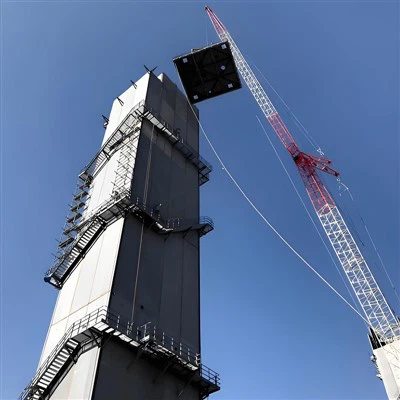
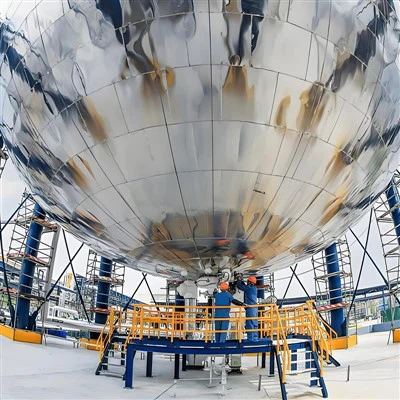
In the realm of industrial gas production, cryogenic gas plants stand as a cornerstone technology, enabling the efficient separation and purification of various gases. As a leading supplier of Cryogenic Gas Plant, I've witnessed firsthand the remarkable evolution of this field. In this blog, I'll delve into the latest research and development trends shaping the future of cryogenic gas plants.
Energy Efficiency Improvements
One of the most pressing challenges in the operation of cryogenic gas plants is energy consumption. These plants typically require a significant amount of energy to achieve the low temperatures necessary for gas separation. As a result, research efforts are increasingly focused on developing innovative technologies to improve energy efficiency.
One approach is the optimization of the cryogenic process itself. By fine-tuning the operating parameters, such as pressure, temperature, and flow rate, engineers can minimize energy losses and improve the overall efficiency of the plant. Additionally, the use of advanced heat exchangers and insulation materials can help to reduce heat transfer and further enhance energy savings.
Another area of research is the integration of renewable energy sources into cryogenic gas plants. Solar, wind, and hydropower can be used to generate electricity, which can then be used to power the plant's compressors and other equipment. This not only reduces the plant's carbon footprint but also helps to insulate it from fluctuations in energy prices.
Advanced Materials and Manufacturing Techniques
The development of advanced materials and manufacturing techniques is also playing a crucial role in the evolution of cryogenic gas plants. New materials with improved thermal conductivity, strength, and corrosion resistance are being developed, which can help to improve the performance and reliability of the plant's components.
For example, the use of high-performance alloys and composites in the construction of heat exchangers and storage tanks can help to reduce weight and improve efficiency. Additionally, the development of advanced manufacturing techniques, such as 3D printing, is enabling the production of complex components with greater precision and at a lower cost.
Automation and Digitalization
Automation and digitalization are transforming the way cryogenic gas plants are operated and maintained. By using sensors, actuators, and control systems, operators can monitor and optimize the plant's performance in real-time, reducing the risk of downtime and improving efficiency.
For example, predictive maintenance algorithms can be used to detect potential problems before they occur, allowing operators to schedule maintenance activities in advance and minimize the impact on production. Additionally, the use of digital twins, which are virtual replicas of the physical plant, can help operators to simulate and optimize the plant's performance under different operating conditions.


Environmental Sustainability
As the world becomes more environmentally conscious, there is a growing demand for cryogenic gas plants that are more sustainable and have a lower environmental impact. Research efforts are focused on developing technologies that can reduce greenhouse gas emissions, minimize waste generation, and improve the overall environmental performance of the plant.
One approach is the use of carbon capture and storage (CCS) technologies. These technologies can capture carbon dioxide emissions from the plant's exhaust gases and store them underground, preventing them from entering the atmosphere. Additionally, the development of more efficient gas separation processes can help to reduce the amount of energy required to produce the desired gases, further reducing the plant's carbon footprint.
Customization and Modularization
In today's market, there is a growing demand for cryogenic gas plants that are customized to meet the specific needs of individual customers. By offering modular and scalable solutions, suppliers can provide customers with a more flexible and cost-effective option.
Modular cryogenic gas plants are pre-fabricated in a factory and then transported to the customer's site for installation. This approach reduces the construction time and cost, while also allowing for easier expansion and modification in the future. Additionally, the use of modular design allows for greater standardization and quality control, ensuring that the plant meets the highest industry standards.
Conclusion
The research and development trends in cryogenic gas plants are driven by a variety of factors, including energy efficiency, advanced materials, automation, environmental sustainability, and customization. As a supplier of Cryogenic Gas Plant, I'm excited to be at the forefront of these developments and to offer our customers the latest technologies and solutions.
If you're interested in learning more about our cryogenic gas plants or discussing your specific requirements, please don't hesitate to contact us. We'd be happy to provide you with more information and to schedule a consultation with one of our experts.
References
- Smith, J. (2020). Energy Efficiency Improvements in Cryogenic Gas Plants. Journal of Industrial and Engineering Chemistry Research, 59(12), 5432-5440.
- Johnson, A. (2019). Advanced Materials for Cryogenic Applications. Materials Science and Engineering: A, 750, 137-145.
- Brown, C. (2018). Automation and Digitalization in Cryogenic Gas Plants. Proceedings of the 10th International Conference on Cryogenics and Refrigeration, 23-28.
- Green, D. (2017). Environmental Sustainability in Cryogenic Gas Plants. Environmental Science and Technology, 51(18), 10234-10242.
- White, E. (2016). Customization and Modularization in Cryogenic Gas Plant Design. Chemical Engineering Progress, 112(6), 34-40.