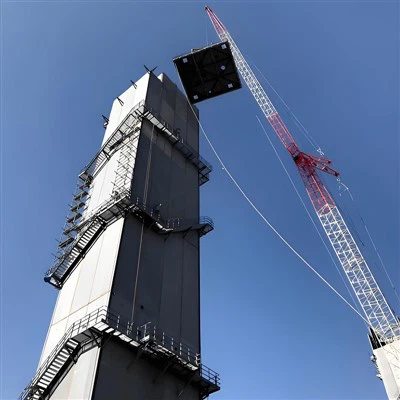
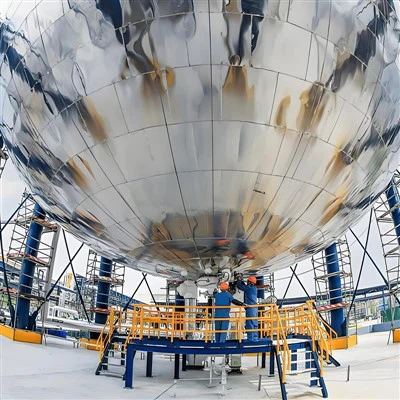
Running a Carbon Dioxide Factory involves a wide range of costs, and as a supplier for such factories, I've got a good understanding of what goes into it. Let's break down these costs to give you a clear picture of what it takes to keep a Carbon Dioxide Factory up and running.
Initial Setup Costs
First off, there are the initial setup costs. Building a Co2 Generation Plant from the ground up is no small feat. You need to acquire land, which can be a significant expense depending on the location. A prime spot close to transportation links and raw material sources is ideal but can come with a hefty price tag.
Then there's the construction of the actual plant. This includes building the infrastructure, installing the necessary equipment for carbon dioxide production, purification, and storage. Specialized machinery for capturing carbon dioxide from industrial processes or the atmosphere, like carbon capture units, is expensive. These units need to be high - tech and reliable to ensure efficient production. You also need to invest in safety systems, such as fire suppression and ventilation, to meet regulatory requirements.
Permits and licenses are another cost during the setup phase. You have to go through a bureaucratic process to get the necessary approvals from local and national authorities. This often involves paying application fees and sometimes hiring consultants to navigate the complex regulations.
Raw Material Costs
The raw materials for carbon dioxide production are a major ongoing expense. If your factory is producing carbon dioxide from industrial waste gases, you might need to pay for the rights to access these gases. For example, if you're getting carbon dioxide from a power plant's exhaust, you may have to enter into a contract with the power plant, which could involve a per - unit - of - gas fee.
On the other hand, if your Carbon Removal Plant is directly capturing carbon dioxide from the atmosphere, the raw material (air) is free. But the energy required to capture and concentrate the carbon dioxide from the vast volume of air is significant. And energy is a cost that we'll discuss in more detail later.
Energy Costs
Energy is one of the biggest costs in running a carbon dioxide factory. Most of the processes involved in carbon dioxide production, purification, and compression require a large amount of power. For example, the carbon capture units need energy to operate the fans that draw in the gas and the chemical processes that separate carbon dioxide from other gases.
Purification processes, such as distillation or adsorption, also consume a lot of energy. Once the carbon dioxide is purified, it needs to be compressed for storage and transportation. Compression is an energy - intensive process that requires powerful compressors running continuously.
If your factory is using fossil fuels to generate the energy it needs, not only are you paying for the fuel itself, but you're also contributing to carbon emissions, which goes against the environmental goals of many carbon dioxide factories. So, many factories are turning to renewable energy sources like solar, wind, or hydro. However, the initial investment in renewable energy infrastructure, such as solar panels or wind turbines, is high, and there may still be costs associated with grid connection and energy storage.
Labor Costs
A carbon dioxide factory requires a skilled workforce to operate and maintain the equipment. You need engineers to oversee the production processes, technicians to perform regular maintenance and repairs, and operators to monitor the day - to - day operations. These employees need to be well - trained, and you have to pay competitive salaries to attract and retain them.
In addition to salaries, there are other labor - related costs. You need to provide benefits such as health insurance, paid leave, and retirement plans. There are also costs associated with training and development to keep your employees up - to - date with the latest technologies and safety procedures.
Maintenance and Repair Costs
The equipment in a carbon dioxide factory is complex and subject to wear and tear. Regular maintenance is essential to keep the factory running smoothly and prevent breakdowns. This includes tasks like cleaning the carbon capture units, replacing filters in the purification systems, and lubricating the moving parts of the compressors.
When something does break down, the cost of repairs can be high. You may need to order specialized parts from the equipment manufacturers, which can take time and may be expensive. In some cases, you may need to hire outside contractors with expertise in the specific equipment to carry out the repairs.


Transportation and Storage Costs
Once the carbon dioxide is produced, it needs to be stored and transported to customers. Storage facilities, such as large tanks or underground caverns, need to be built and maintained. These storage facilities must be safe and compliant with regulations to prevent leaks or other accidents.
Transportation costs depend on the distance to the customers and the mode of transportation. Carbon dioxide can be transported in liquid form in specialized tankers or in gaseous form through pipelines. Tanker transportation requires the purchase or lease of the tankers, as well as the cost of fuel and driver salaries. Pipeline transportation has a high initial investment cost for building the pipeline, but it can be more cost - effective in the long run for large - scale, long - distance transportation.
Regulatory and Compliance Costs
As mentioned earlier, carbon dioxide factories are subject to strict regulations. You need to comply with environmental regulations to ensure that your factory is not causing excessive pollution. This may involve regular emissions monitoring and reporting, and you may have to invest in pollution control equipment to meet the standards.
There are also safety regulations that you have to follow. You need to conduct regular safety inspections, provide safety training to employees, and maintain safety records. Non - compliance can result in hefty fines and even the shutdown of your factory.
Marketing and Sales Costs
To sell the carbon dioxide produced by your factory, you need to invest in marketing and sales. This includes creating a brand identity, developing marketing materials, and attending industry trade shows. You also need a sales team to reach out to potential customers, negotiate contracts, and manage customer relationships.
The carbon dioxide market is competitive, and you may need to offer competitive prices and high - quality products to attract and retain customers. This may involve additional costs for product improvement and customer service.
Insurance Costs
Running a carbon dioxide factory comes with risks, such as equipment failures, accidents, and environmental liabilities. Insurance is necessary to protect your business from these risks. You need to purchase property insurance to cover the factory building and equipment, liability insurance to protect against third - party claims, and product liability insurance in case the carbon dioxide you produce causes harm to customers or the environment.
The cost of insurance depends on the size of your factory, the level of risk associated with your operations, and the coverage limits you choose.
In conclusion, running a Carbon Dioxide Factory is a costly endeavor. But with the growing demand for carbon dioxide in various industries, such as food and beverage, refrigeration, and enhanced oil recovery, there are also significant opportunities. If you're interested in purchasing carbon dioxide from a reliable supplier, I'd love to talk to you about how we can meet your needs. We have a proven track record of providing high - quality carbon dioxide products at competitive prices. Contact us to start a conversation about your requirements and how we can work together.
References
- Smith, J. (2020). "Cost Analysis of Carbon Capture and Utilization Plants." Journal of Industrial Chemistry.
- Brown, A. (2021). "Energy Efficiency in Carbon Dioxide Production." Energy Research Quarterly.
- Green, C. (2019). "Regulatory Challenges in the Carbon Dioxide Industry." Environmental Law Review.