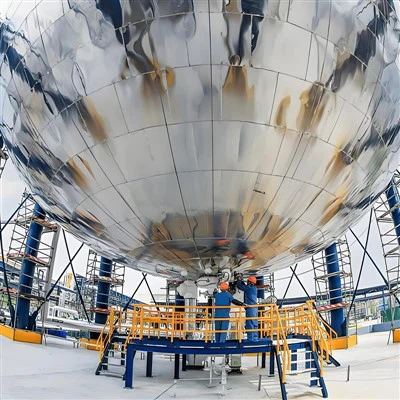
Can a cryogenic oxygen plant be used in the glass manufacturing industry?
As a supplier of cryogenic oxygen plants, I am often asked about the potential applications of our products in various industries. One question that frequently comes up is whether a cryogenic oxygen plant can be used in the glass manufacturing industry. In this blog post, I will explore this topic in detail and provide insights into the benefits and considerations of using a cryogenic oxygen plant in glass manufacturing.
Understanding Cryogenic Oxygen Plants
Before delving into the application of cryogenic oxygen plants in the glass manufacturing industry, it is essential to understand what these plants are and how they work. A cryogenic oxygen plant is a facility that produces high-purity oxygen through a process called cryogenic distillation. This process involves cooling air to extremely low temperatures until it liquefies and then separating the different components of the air, such as oxygen, nitrogen, and argon, based on their boiling points.
The cryogenic distillation process is highly efficient and can produce oxygen with a purity of up to 99.5%. This high-purity oxygen is suitable for a wide range of applications, including medical, industrial, and environmental uses. Cryogenic oxygen plants come in various sizes and capacities, ranging from small-scale plants for laboratory use to large-scale plants for industrial production.
Applications of Oxygen in Glass Manufacturing
Oxygen plays a crucial role in the glass manufacturing process. It is used in several key steps, including melting, refining, and combustion. Here's a closer look at how oxygen is used in each of these steps:


Melting
In the glass melting process, oxygen is used to enhance the combustion of fuel, such as natural gas or oil, in the furnace. By increasing the oxygen concentration in the combustion air, the flame temperature can be raised, which helps to melt the raw materials more efficiently. This results in a faster melting rate, reduced energy consumption, and improved glass quality.
Refining
During the refining process, oxygen is used to remove impurities and bubbles from the molten glass. Oxygen reacts with the impurities in the glass, such as sulfur and carbon, to form gases that can be easily removed from the melt. This helps to improve the clarity and homogeneity of the glass, resulting in a higher-quality product.
Combustion
In addition to its use in the melting and refining processes, oxygen is also used in the combustion of fuel in the glass manufacturing process. By using oxygen-enriched air instead of normal air, the combustion efficiency can be significantly improved, resulting in reduced fuel consumption and lower emissions of pollutants, such as nitrogen oxides (NOx) and carbon monoxide (CO).
Benefits of Using a Cryogenic Oxygen Plant in Glass Manufacturing
Now that we understand the applications of oxygen in glass manufacturing, let's explore the benefits of using a cryogenic oxygen plant in this industry:
High Purity Oxygen
As mentioned earlier, cryogenic oxygen plants can produce oxygen with a purity of up to 99.5%. This high-purity oxygen is essential for the glass manufacturing process, as it ensures the quality and consistency of the glass product. By using high-purity oxygen, glass manufacturers can reduce the risk of impurities and defects in the glass, resulting in a higher-quality product.
Energy Efficiency
One of the main advantages of using a cryogenic oxygen plant in glass manufacturing is its energy efficiency. By using oxygen-enriched air in the combustion process, the flame temperature can be raised, which helps to melt the raw materials more efficiently. This results in a faster melting rate, reduced energy consumption, and lower operating costs.
Environmental Benefits
In addition to its energy efficiency, using a cryogenic oxygen plant in glass manufacturing also has environmental benefits. By using oxygen-enriched air in the combustion process, the emissions of pollutants, such as NOx and CO, can be significantly reduced. This helps to improve air quality and reduce the environmental impact of the glass manufacturing process.
Reliability and Flexibility
Cryogenic oxygen plants are highly reliable and can operate continuously for long periods of time. They are also flexible and can be customized to meet the specific needs of the glass manufacturing industry. For example, cryogenic oxygen plants can be designed to produce oxygen at different flow rates and pressures, depending on the requirements of the glass manufacturing process.
Considerations When Using a Cryogenic Oxygen Plant in Glass Manufacturing
While there are many benefits to using a cryogenic oxygen plant in glass manufacturing, there are also some considerations that need to be taken into account:
Initial Investment
The initial investment required to purchase and install a cryogenic oxygen plant can be significant. However, the long-term benefits of using a cryogenic oxygen plant, such as energy savings and improved glass quality, can outweigh the initial investment.
Safety
Cryogenic oxygen plants involve the handling of extremely cold liquids and gases, which can be dangerous if not handled properly. Therefore, it is essential to ensure that the cryogenic oxygen plant is installed and operated in accordance with all relevant safety standards and regulations.
Maintenance
Cryogenic oxygen plants require regular maintenance to ensure their reliable operation. This includes routine inspections, cleaning, and replacement of parts as needed. It is important to have a qualified maintenance team in place to ensure that the cryogenic oxygen plant is properly maintained.
Conclusion
In conclusion, a cryogenic oxygen plant can be a valuable asset in the glass manufacturing industry. By providing high-purity oxygen, improving energy efficiency, reducing environmental impact, and offering reliability and flexibility, cryogenic oxygen plants can help glass manufacturers to improve the quality of their products, reduce operating costs, and meet their environmental goals.
If you are a glass manufacturer interested in learning more about the benefits of using a cryogenic oxygen plant in your production process, I encourage you to [contact us] for more information. Our team of experts can provide you with a detailed analysis of your specific needs and recommend the most suitable cryogenic oxygen plant for your application.
References
- [1] "Glass Manufacturing Process." Glass Packaging Institute. Accessed [date].
- [2] "Cryogenic Oxygen Plants." Air Products. Accessed [date].
- [3] "Benefits of Oxygen Enrichment in Glass Melting." Praxair. Accessed [date].
Note: Replace [contact us] with the appropriate call-to-action for your business, such as "contact our sales team" or "request a quote." Also, make sure to update the [date] placeholders with the actual dates when you accessed the references. Additionally, you can insert the provided hyperlinks at appropriate places in the text. For example:
A cryogenic oxygen plant, such as our Cryogenic Liquid Oxygen Gas Plant, is a facility that produces high-purity oxygen through a process called cryogenic distillation.
Or:
We also offer the Cryogenic Liquid Oxygen Plant and Cryogenic Oxygen Generator, which are suitable for different applications in the glass manufacturing industry.