Hey there! As a supplier of cryogenic equipment, I've been getting a lot of questions lately about how our gear performs in high - altitude areas. So, I thought I'd take some time to break it down for you.
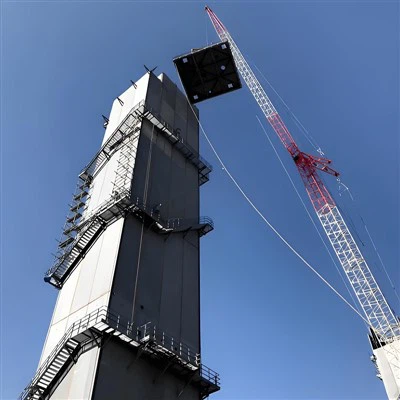
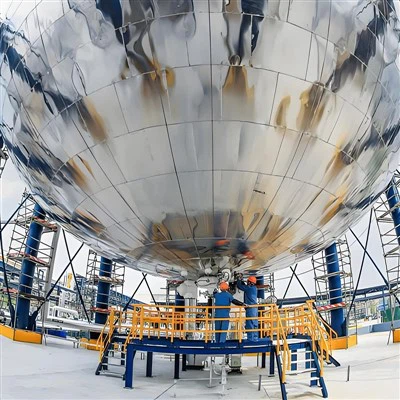
First off, let's talk about what cryogenic equipment is. We're talking about stuff that operates at extremely low temperatures, like Cryogenic Air Separation Unit. These units are used to separate air into its components, such as nitrogen, oxygen, and argon. We also have Cryogenic Air Separation Nitrogen equipment, which is specifically designed to produce high - purity nitrogen. And then there are Liquid Air Separation Plant, which play a crucial role in industries that need large amounts of liquid gases.
Now, when it comes to high - altitude areas, there are a few key factors that can affect the performance of cryogenic equipment.
Atmospheric Pressure
One of the most significant differences in high - altitude areas is the lower atmospheric pressure. At sea level, the standard atmospheric pressure is about 101.3 kPa. But as you go up in altitude, this pressure drops. For example, at an altitude of 3,000 meters, the atmospheric pressure is roughly 70 kPa.
This lower pressure can have a direct impact on the boiling points of the gases in our cryogenic equipment. In a cryogenic air separation unit, we rely on the differences in boiling points to separate the components of air. When the atmospheric pressure is lower, the boiling points of the gases decrease. This means that we may need to adjust the operating temperatures of our equipment to ensure proper separation.
Our engineers have developed advanced control systems that can automatically adjust the temperature and pressure settings based on the local atmospheric conditions. This helps to maintain the efficiency of the separation process, even in high - altitude areas.
Air Density
Another important factor is air density. As altitude increases, the air becomes less dense. This is because there are fewer air molecules per unit volume. In a cryogenic air separation unit, the less dense air means that there are fewer molecules of oxygen, nitrogen, and other gases available for separation.
To compensate for this, our equipment is designed with larger intake filters and more powerful compressors. The larger filters can capture a greater volume of air, and the compressors can increase the pressure of the intake air to a level where the separation process can be carried out effectively.


Temperature Variations
High - altitude areas often experience more significant temperature variations compared to low - altitude areas. During the day, the sun can heat up the ground and the air, while at night, the temperatures can drop significantly.
These temperature variations can affect the performance of the insulation materials in our cryogenic equipment. Our cryogenic equipment uses high - quality insulation materials that are designed to withstand a wide range of temperatures. We also conduct regular maintenance checks to ensure that the insulation is in good condition and that there are no heat leaks.
Case Studies
We've had the opportunity to install our cryogenic equipment in several high - altitude locations around the world. One of our customers in the Andes Mountains was using a cryogenic air separation unit to produce oxygen for a mining operation. At first, they were concerned about the performance of the equipment due to the high altitude.
But after our team installed the unit and made the necessary adjustments, the equipment was operating at optimal efficiency. The customer reported that they were able to produce the required amount of oxygen with minimal energy consumption.
Another case was a liquid air separation plant in the Himalayas. The plant was used to supply liquid nitrogen to a scientific research facility. Despite the challenging high - altitude conditions, our equipment was able to meet the demand for liquid nitrogen consistently.
Altitude and Equipment Durability
The harsh environmental conditions in high - altitude areas can also have an impact on the durability of the equipment. The thinner air at high altitudes contains less oxygen, which can reduce the rate of oxidation and corrosion. However, the equipment is also exposed to more intense sunlight, which can cause damage to the external components over time.
To address this, we use corrosion - resistant materials in the construction of our equipment. The outer surfaces are coated with special paints that can protect against UV radiation. We also recommend regular inspections and maintenance to detect any signs of wear and tear early on.
Technical Support in High - Altitude Areas
We understand that operating cryogenic equipment in high - altitude areas can be challenging. That's why we offer comprehensive technical support to our customers. Our team of experts is available 24/7 to answer any questions and provide remote assistance.
In addition, we have a network of local service centers in high - altitude regions. These service centers are staffed with trained technicians who can quickly respond to any on - site issues. They can perform maintenance, repairs, and upgrades to ensure that the equipment continues to operate smoothly.
Cost - Efficiency in High - Altitude Operations
Operating cryogenic equipment in high - altitude areas might seem like it would be more expensive due to the need for additional adjustments and maintenance. However, our equipment is designed with cost - efficiency in mind.
The advanced control systems in our cryogenic equipment help to optimize energy consumption. By automatically adjusting the operating parameters based on the local conditions, we can reduce the overall energy costs. In addition, the long - lasting insulation materials and corrosion - resistant components mean that the equipment has a longer lifespan, which reduces the need for frequent replacements.
Conclusion
In conclusion, our cryogenic equipment is well - equipped to handle the challenges of high - altitude areas. Through advanced design, precise engineering, and comprehensive technical support, we can ensure that our equipment performs efficiently and reliably in these demanding environments.
If you're considering purchasing cryogenic equipment for use in a high - altitude area, we'd love to have a chat with you. Our team of experts can provide you with detailed information about how our equipment can meet your specific needs. Whether you're in the mining, medical, or scientific research industry, we have the right solution for you. Contact us today to start the conversation about your cryogenic equipment requirements.
References
- "Handbook of Cryogenic Engineering", edited by R. Barron
- "High - Altitude Engineering: Challenges and Solutions", published by the International High - Altitude Engineering Association
- Internal research and development reports from our company on cryogenic equipment performance in high - altitude areas.