Hey there! I'm a supplier for CO2 manufacturing plants, and today I wanna share some insights on how to design one. Building a CO2 manufacturing plant ain't no walk in the park, but with the right approach, it can be a real game - changer.
1. Understanding the Basics
First things first, we gotta know what CO2 is and where it comes from. CO2, or carbon dioxide, is a gas that's all around us. It's produced by natural processes like respiration and also by human activities such as burning fossil fuels. In a CO2 manufacturing plant, we're usually looking at capturing CO2 from industrial sources, like power plants or chemical factories.
The main goal of a CO2 manufacturing plant is to capture, purify, and store or utilize CO2. There are different reasons for doing this. Some industries need high - purity CO2 for their processes, like the food and beverage industry, where CO2 is used to carbonate drinks. Others are interested in reducing their carbon footprint by capturing and storing CO2 instead of releasing it into the atmosphere.
2. Site Selection
Picking the right site for your CO2 manufacturing plant is crucial. You need to consider a few factors here.

Proximity to the Source
It's best to build the plant close to the source of CO2 emissions. For example, if you're planning to capture CO2 from a power plant, having the CO2 manufacturing plant nearby can save a lot of money on transportation costs. You won't have to pipe or truck the CO2 over long distances.
Infrastructure
The site should have access to good infrastructure. This includes roads for transporting equipment and raw materials, and utilities like water and electricity. Water is needed for cooling processes in the plant, and electricity powers all the machinery.
Environmental Considerations
You also gotta think about the environment. Make sure the site is far away from residential areas to avoid any potential health risks from emissions. Also, check the local environmental regulations. Some areas have strict rules about building industrial plants, especially those dealing with greenhouse gases like CO2.
3. Process Design
Now, let's talk about the actual process of designing the plant.
CO2 Capture
There are several methods for capturing CO2. One common method is post - combustion capture. In this process, CO2 is removed from the flue gases after the fuel has been burned. The flue gases are passed through a chemical solvent that absorbs the CO2. Then, the solvent is heated to release the CO2, which can then be collected.
Another method is pre - combustion capture. Here, the fuel is converted into a mixture of hydrogen and CO2 before combustion. The CO2 is then separated from the hydrogen. This method is more efficient but requires more complex technology.
If you're interested in more advanced capture solutions, you can check out the Carbon Dioxide Capture Plant for some great options.
Purification
Once the CO2 is captured, it needs to be purified. The captured CO2 usually contains impurities like water, nitrogen, and other gases. Purification is done through processes like compression, cooling, and distillation. Compression helps to separate the CO2 from other gases based on their different physical properties. Cooling further condenses the CO2, and distillation can be used to remove any remaining impurities.
Storage or Utilization
After purification, you have two main options for the CO2: storage or utilization. If you choose storage, the CO2 can be injected into underground geological formations like depleted oil and gas reservoirs. This is called carbon capture and storage (CCS). It's a way to keep the CO2 out of the atmosphere for a long time.
On the other hand, if you opt for utilization, the CO2 can be used in various industries. For example, in the food and beverage industry, as I mentioned earlier, it's used for carbonation. In the oil and gas industry, CO2 can be used for enhanced oil recovery (EOR), where it's injected into oil wells to increase the amount of oil that can be extracted. If you're thinking about recycling the CO2, take a look at the Co2 Recycling Plant.
4. Equipment Selection
The right equipment is essential for a successful CO2 manufacturing plant.
Capture Equipment
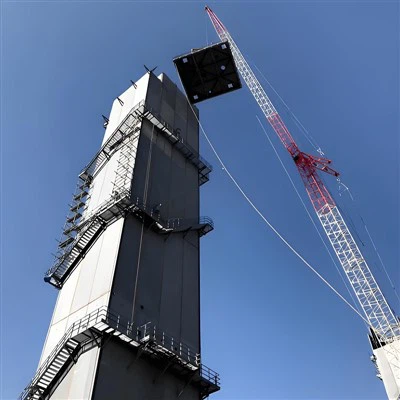
For capture, you'll need things like absorption towers for post - combustion capture. These towers are where the flue gases come into contact with the chemical solvent. You'll also need pumps to move the gases and solvents around the system.
Purification Equipment
Purification requires compressors to compress the CO2, condensers to cool it, and distillation columns to separate the impurities. These pieces of equipment need to be high - quality and reliable to ensure the purity of the final CO2 product.
Storage and Utilization Equipment
If you're going for storage, you'll need pipelines or trucks to transport the CO2 to the storage site, and injection equipment to get it into the underground formations. For utilization, different industries will require different types of equipment. For example, the food and beverage industry will need equipment to inject the CO2 into the drinks.
5. Safety and Monitoring
Safety is a top priority in any industrial plant, and a CO2 manufacturing plant is no exception.
Safety Systems
You need to install safety systems like fire suppression systems, gas detection systems, and emergency shutdown systems. The gas detection systems can detect any leaks of CO2 or other gases in the plant. If a leak is detected, the emergency shutdown system can quickly stop the operation of the plant to prevent any accidents.
Monitoring
Continuous monitoring of the plant is also necessary. You need to monitor things like temperature, pressure, and the composition of the gases at different stages of the process. This helps to ensure that the plant is operating efficiently and safely. You can use sensors and control systems to collect and analyze the data.
6. Cost Estimation
Building a CO2 manufacturing plant can be expensive, so it's important to do a cost estimation.
Capital Costs
The capital costs include the cost of land, construction, equipment, and installation. Buying the land, building the plant structures, purchasing all the necessary equipment, and getting it installed can add up quickly. You need to get quotes from different suppliers and contractors to get an accurate estimate.
Operating Costs
Operating costs are the costs of running the plant on a day - to - day basis. This includes the cost of raw materials, energy, labor, and maintenance. Energy costs can be a significant part of the operating costs, especially for processes like compression and heating.
7. Regulatory Compliance
You have to make sure your CO2 manufacturing plant complies with all the relevant regulations.
Environmental Regulations
As I mentioned before, there are strict environmental regulations regarding the emission of greenhouse gases. You need to obtain the necessary permits before starting construction and ensure that your plant meets all the emission standards.
Safety Regulations
There are also safety regulations that you need to follow. These regulations cover things like the design and installation of safety systems, employee training, and emergency response plans.
8. Future Expansion and Flexibility
When designing your CO2 manufacturing plant, it's a good idea to think about future expansion and flexibility.
Expansion
As your business grows, you may need to increase the capacity of your plant. So, the design should allow for easy expansion. This could mean leaving some extra space on the site for additional equipment or building modular structures that can be easily added to.
Flexibility
The plant should also be flexible enough to adapt to changes in the market or technology. For example, if a new and more efficient method of CO2 capture is developed, the plant should be able to incorporate it without major overhauls.
Contact for Procurement
If you're interested in setting up a CO2 manufacturing plant and need a reliable supplier, I'm here to help. Whether you're looking for a Commercial CO2 Capture Plant or need advice on the whole design process, feel free to reach out. We can have a detailed discussion about your requirements and come up with the best solution for your project.
References
- Smith, J. (2020). Industrial Gas Processing: Principles and Practice. Publisher X.
- Johnson, R. (2019). Carbon Capture and Storage: Technologies and Applications. Publisher Y.
- Green, A. (2021). Environmental Regulations for Industrial Plants. Publisher Z.