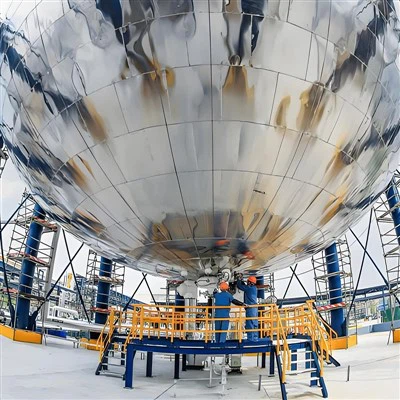
Hey there! As a supplier of Cryogenic Equipment, I've seen firsthand the challenges and opportunities that come with operating this specialized gear. Cryogenic equipment is used in a variety of industries, from healthcare to energy, and optimizing its operation is crucial for efficiency, safety, and cost - effectiveness. In this blog, I'll share some tips on how to optimize the operation of cryogenic equipment.
Understanding Your Cryogenic Equipment
First things first, you need to have a solid understanding of the Cryogenic Equipment you're using. This means knowing its specifications, limitations, and how it fits into your overall process. Cryogenic equipment is designed to handle extremely low temperatures, often below -150°C. It includes things like cryogenic tanks, pumps, valves, and heat exchangers. You can find more detailed information about Cryogenic Equipment on our website Cryogenic Equipment.
Each piece of equipment has its own unique operating requirements. For example, cryogenic pumps need to be properly primed and lubricated to ensure smooth operation. If you don't follow the manufacturer's guidelines, you could end up with a pump that fails prematurely or doesn't perform as expected. Similarly, cryogenic valves need to be inspected regularly for leaks and proper sealing. A small leak in a valve can lead to significant losses of cryogenic fluids and even pose a safety hazard.
Regular Maintenance
One of the most important aspects of optimizing cryogenic equipment operation is regular maintenance. Just like a car, cryogenic equipment needs to be serviced regularly to keep it running smoothly. This includes tasks such as cleaning, lubricating, and inspecting components.
For cryogenic tanks, it's essential to check the insulation regularly. Over time, the insulation can degrade, which can lead to increased heat transfer and higher energy consumption. You should also inspect the tank for any signs of corrosion or damage. If you notice any issues, it's important to address them immediately to prevent further problems.
Pumps and valves also require regular maintenance. You should follow the manufacturer's recommended maintenance schedule for things like oil changes, filter replacements, and seal inspections. By staying on top of maintenance, you can extend the lifespan of your equipment and reduce the risk of breakdowns.
Monitoring and Control
Another key factor in optimizing cryogenic equipment operation is monitoring and control. You need to have a system in place to monitor the performance of your equipment and make adjustments as needed. This can include monitoring temperature, pressure, flow rate, and other parameters.
For example, if you notice that the temperature inside a cryogenic tank is rising, it could be a sign of a problem with the insulation or a leak. By monitoring the temperature continuously, you can detect these issues early and take corrective action. Similarly, monitoring the pressure in a cryogenic system can help you identify potential blockages or leaks in the piping.
Modern cryogenic equipment often comes with advanced control systems that allow you to automate many of the monitoring and control functions. These systems can be programmed to alert you when certain parameters are out of range, making it easier to manage your equipment effectively.
Operator Training
Your operators play a crucial role in the operation of cryogenic equipment. They need to be properly trained to understand how the equipment works, how to operate it safely, and how to perform basic maintenance tasks.
Training should cover topics such as safety procedures, equipment operation, and emergency response. Operators should also be familiar with the manufacturer's guidelines and best practices for operating cryogenic equipment. By investing in operator training, you can reduce the risk of accidents and ensure that your equipment is operated efficiently.
Energy Efficiency
Optimizing the energy efficiency of cryogenic equipment is not only good for the environment but also for your bottom line. Cryogenic processes can be energy - intensive, so finding ways to reduce energy consumption is important.
One way to improve energy efficiency is to optimize the design of your cryogenic system. This can include using more efficient heat exchangers, reducing pressure drops in the piping, and minimizing heat losses. You can also consider using renewable energy sources, such as solar or wind power, to power your cryogenic equipment.
Another strategy is to implement energy management practices. This can include things like turning off equipment when it's not in use, optimizing the operating conditions to reduce energy consumption, and using energy - efficient lighting and HVAC systems in your facility.
Safety First
Safety is always the top priority when operating cryogenic equipment. Cryogenic fluids can be extremely cold and can cause frostbite or other serious injuries if they come into contact with skin. In addition, cryogenic gases can displace oxygen in enclosed spaces, posing a risk of asphyxiation.


To ensure safety, you need to have proper safety procedures in place. This includes providing personal protective equipment (PPE) such as gloves, goggles, and face shields to your operators. You should also have ventilation systems in place to prevent the buildup of cryogenic gases in enclosed spaces.
Regular safety inspections and training are also essential. You should conduct safety audits of your cryogenic equipment and facilities on a regular basis to identify and address any potential safety hazards.
Types of Cryogenic Equipment in Different Plants
There are different types of cryogenic plants, such as Gas Cryogenic Air Separation Plant and Liquid Air Separation Plant. Each type of plant has its own set of cryogenic equipment requirements.
In a gas cryogenic air separation plant, the main goal is to separate air into its components, such as nitrogen, oxygen, and argon. This requires a variety of cryogenic equipment, including distillation columns, heat exchangers, and compressors. Optimizing the operation of this equipment is crucial for producing high - purity gases efficiently.
In a liquid air separation plant, the focus is on producing liquid oxygen, liquid nitrogen, and other cryogenic liquids. The equipment in this type of plant needs to be designed to handle the extremely low temperatures required for liquefaction. Proper insulation, cooling systems, and storage tanks are essential for the successful operation of a liquid air separation plant.
Conclusion
Optimizing the operation of cryogenic equipment is a multi - faceted process that requires a combination of understanding your equipment, regular maintenance, monitoring and control, operator training, energy efficiency, and safety. By following these tips, you can ensure that your cryogenic equipment operates efficiently, safely, and cost - effectively.
If you're in the market for high - quality Cryogenic Equipment or need help optimizing the operation of your existing equipment, don't hesitate to reach out. We're here to assist you with all your cryogenic needs and can provide you with the expertise and support you need to make the most of your equipment. Let's start a conversation about how we can work together to improve your cryogenic operations.
References
- ASHRAE Handbook - Refrigeration. American Society of Heating, Refrigerating and Air - Conditioning Engineers.
- Cryogenic Engineering, Second Edition. David F. Swenson.
- Standards and Guidelines for Cryogenic Equipment Operation. Various industry standards organizations.