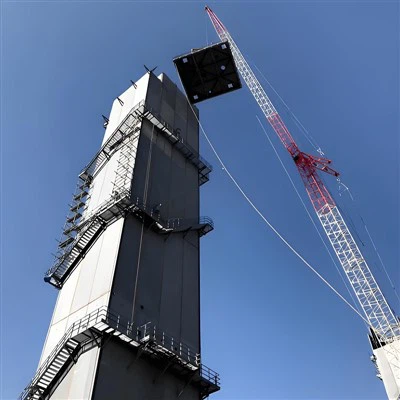
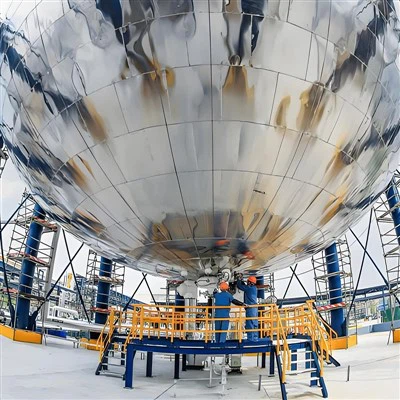
Preventing corrosion in an oxygen plant is crucial for maintaining its efficiency, safety, and longevity. As an oxygen plant supplier, I've seen firsthand how corrosion can lead to significant problems, from equipment failure to decreased oxygen production. Here are some effective ways to prevent corrosion in an oxygen plant.
Understanding the Causes of Corrosion in Oxygen Plants
Before we dive into prevention methods, it's important to understand what causes corrosion in oxygen plants. Corrosion is essentially a chemical reaction between the metal components of the plant and the environment. In an oxygen plant, several factors can contribute to this reaction:
- Oxygen itself: Oxygen is a highly reactive gas. When it comes into contact with metals, it can cause oxidation, which is a form of corrosion. This is particularly true in high - pressure and high - temperature environments, which are common in oxygen plants.
- Moisture: Water is a catalyst for corrosion. Even small amounts of moisture in the oxygen or in the plant's environment can accelerate the oxidation process. Moisture can enter the plant through leaks, improper sealing, or from the air intake.
- Impurities: Impurities in the oxygen feedstock, such as sulfur, chlorine, and other chemicals, can react with the metal surfaces and cause corrosion. These impurities can also come from the surrounding environment or the raw materials used in the plant.
Preventive Maintenance and Inspections
Regular maintenance and inspections are the cornerstones of corrosion prevention in oxygen plants. Here's what you can do:
- Visual inspections: Conduct regular visual inspections of the plant's equipment, pipes, and vessels. Look for signs of rust, pitting, discoloration, or other visible damage. Check for leaks around joints and seals, as these can allow moisture and oxygen to enter and cause corrosion.
- Cleaning: Keep the plant clean and free of debris. Dirt and dust can trap moisture, creating an ideal environment for corrosion. Use appropriate cleaning agents that are compatible with the materials in the plant. Avoid using abrasive cleaners that could damage the metal surfaces.
- Lubrication: Lubricate moving parts regularly to prevent friction and wear, which can expose fresh metal surfaces to corrosion. Use lubricants that are specifically designed for oxygen - rich environments to ensure compatibility.
- Pressure testing: Periodically perform pressure tests on pipes and vessels to check for weaknesses or leaks. This can help identify potential corrosion issues before they become major problems.
Material Selection
Choosing the right materials for your oxygen plant is critical in preventing corrosion. Different metals have different levels of resistance to oxygen and other corrosive substances. Here are some materials commonly used in oxygen plants and their corrosion resistance properties:
- Stainless steel: Stainless steel is a popular choice for oxygen plant components due to its high corrosion resistance. It contains chromium, which forms a passive oxide layer on the surface, protecting the metal from further oxidation. However, not all stainless steels are created equal. Austenitic stainless steels, such as 304 and 316, are generally more resistant to corrosion in oxygen environments than ferritic or martensitic stainless steels.
- Aluminum: Aluminum is another lightweight and corrosion - resistant material that can be used in oxygen plants. It forms a thin oxide layer on its surface, which provides some protection against oxidation. However, aluminum is more susceptible to corrosion in the presence of certain chemicals, so it's important to ensure that the environment is compatible with aluminum.
- Nickel - based alloys: Nickel - based alloys, such as Inconel and Hastelloy, offer excellent corrosion resistance in high - temperature and high - pressure oxygen environments. These alloys are often used in critical components where corrosion resistance is of utmost importance.
Corrosion Inhibitors
Corrosion inhibitors are chemicals that can be added to the oxygen or the plant's environment to reduce the rate of corrosion. There are several types of corrosion inhibitors, including:
- Anodic inhibitors: These inhibitors work by forming a protective layer on the metal surface, preventing the oxidation reaction from occurring at the anode. Examples of anodic inhibitors include chromates, phosphates, and nitrites.
- Cathodic inhibitors: Cathodic inhibitors slow down the reduction reaction at the cathode, which is also a part of the corrosion process. Zinc and magnesium are common cathodic inhibitors.
- Vapor - phase inhibitors (VPI): VPIs are volatile chemicals that can form a protective film on metal surfaces even in hard - to - reach areas. They are often used in enclosed spaces or on equipment that is not in constant use.
Environmental Control
Controlling the environment inside the oxygen plant is essential for preventing corrosion. Here are some environmental factors to consider:


- Humidity: Keep the relative humidity in the plant below 60% to reduce the risk of corrosion. Use dehumidifiers if necessary, especially in areas where moisture is likely to accumulate.
- Temperature: High temperatures can accelerate the corrosion process. Keep the plant's operating temperature within the recommended range for the materials used. Use cooling systems if needed to prevent overheating.
- Air filtration: Install high - quality air filters to remove impurities and contaminants from the incoming air. This can help reduce the amount of corrosive substances that enter the plant.
Training and Education
Proper training and education of plant operators and maintenance staff are essential for preventing corrosion. Make sure that everyone involved in the operation and maintenance of the oxygen plant understands the causes and effects of corrosion, as well as the preventive measures that need to be taken. Provide regular training sessions on corrosion prevention techniques, safety procedures, and the proper use of equipment and materials.
Conclusion
Preventing corrosion in an oxygen plant is a multi - faceted approach that requires a combination of preventive maintenance, proper material selection, the use of corrosion inhibitors, environmental control, and training. By implementing these strategies, you can significantly reduce the risk of corrosion and ensure the long - term reliability and efficiency of your oxygen plant.
If you're in the market for a new oxygen plant or need to upgrade your existing one, we have a wide range of options to suit your needs. Check out our Medical Liquid Oxygen Plant, Oxygen Supply System For Industry, and Oxygen Plants For Metal Production. Contact us today to discuss your requirements and start a conversation about how we can provide the best oxygen plant solutions for you.
References
- Uhlig, H. H., & Revie, R. W. (1985). Corrosion and Corrosion Control: An Introduction to Corrosion Science and Engineering. Wiley.
- Fontana, M. G., & Greene, N. D. (1967). Corrosion Engineering. McGraw - Hill.