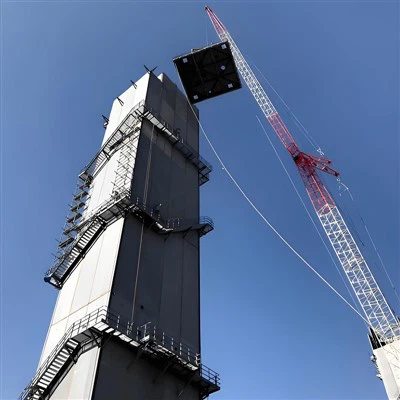
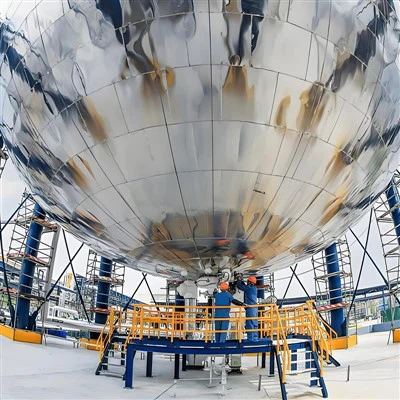
Hey there! As a supplier of CO2 recovery plants, I've seen firsthand the ins and outs of operating these facilities. It's not all sunshine and rainbows; there are plenty of challenges that come with the territory. In this blog, I'm gonna break down some of the major hurdles you might face when running a CO2 recovery plant and how they can be tackled.
Technical Challenges
1. Contaminant Removal
One of the biggest headaches in CO2 recovery is dealing with contaminants. When you're capturing CO2 from industrial processes, it's often mixed with other gases like nitrogen, oxygen, and various volatile organic compounds (VOCs). These contaminants can mess with the purity of the recovered CO2, which is crucial if you're planning to sell it for commercial use.

For example, if the CO2 is going to be used in the food and beverage industry, it needs to meet strict purity standards. Even a small amount of contaminants can render the product unfit for consumption. Removing these impurities requires advanced separation technologies, such as membrane separation or adsorption processes. These technologies can be expensive to install and maintain, and they also require a lot of energy. Check out our Co2 Production Plant page to learn more about how we address these issues in our plants.
2. Energy Consumption
CO2 recovery is an energy-intensive process. You need to use a lot of energy to capture, compress, and purify the CO2. This not only adds to the operating costs but also has a significant environmental impact. Finding ways to reduce energy consumption is a constant challenge for plant operators.
One approach is to optimize the process design. By using more efficient equipment and better process control systems, you can minimize the amount of energy needed to run the plant. Another option is to integrate the CO2 recovery plant with other industrial processes to take advantage of waste heat or other energy sources. For instance, some plants use waste heat from a power plant to drive the CO2 capture process, which can significantly reduce the overall energy consumption.
3. Equipment Maintenance
The equipment in a CO2 recovery plant is subject to a lot of wear and tear. The high pressures and corrosive nature of CO2 can cause damage to pipes, valves, and other components over time. Regular maintenance is essential to keep the plant running smoothly and prevent costly breakdowns.
However, maintenance can be a complex and time-consuming task. It requires skilled technicians and specialized tools to perform inspections, repairs, and replacements. In addition, downtime for maintenance can result in lost production and revenue. That's why it's important to have a comprehensive maintenance plan in place and to invest in high-quality equipment that is designed to withstand the harsh operating conditions.
Regulatory Challenges
1. Compliance with Emission Standards
CO2 recovery plants are subject to a variety of environmental regulations. These regulations are designed to limit the amount of CO2 and other pollutants that are released into the atmosphere. Complying with these standards can be a challenge, especially as the regulations become more stringent over time.
Plant operators need to ensure that their facilities are equipped with the necessary pollution control equipment and that they are operating within the permitted emission limits. This may require regular monitoring and reporting of emissions, as well as the implementation of pollution prevention measures. Failure to comply with the regulations can result in fines, penalties, and even the shutdown of the plant.
2. Permitting and Licensing
Before a CO2 recovery plant can be built and operated, it needs to obtain the necessary permits and licenses from the relevant government authorities. The permitting process can be long and complex, involving multiple levels of government and a variety of regulatory requirements.
Plant developers need to submit detailed environmental impact assessments, engineering plans, and other documentation to demonstrate that the plant will operate in a safe and environmentally responsible manner. The permitting process can also be subject to public scrutiny and opposition, which can further delay the project. It's important to work closely with the regulatory agencies and the local community to address any concerns and to ensure a smooth permitting process.
Market Challenges
1. Price Volatility
The market for recovered CO2 is subject to price volatility. The price of CO2 can fluctuate depending on a variety of factors, such as supply and demand, energy prices, and government policies. This can make it difficult for plant operators to plan and budget for their operations.
For example, if the price of CO2 drops suddenly, it can reduce the profitability of the plant. On the other hand, if the price of CO2 increases, it may attract more competitors to the market, which can lead to oversupply and lower prices. To mitigate the impact of price volatility, plant operators need to have a flexible business strategy and to diversify their customer base.
2. Competition
The CO2 recovery industry is becoming increasingly competitive. As more companies enter the market, it can be challenging to differentiate your products and services and to attract customers. Plant operators need to offer high-quality CO2 at competitive prices and to provide excellent customer service.
In addition, they need to stay up-to-date with the latest technological developments and market trends to remain competitive. This may involve investing in research and development to improve the efficiency and performance of their plants or to develop new applications for recovered CO2. Check out our Commercial CO2 Capture Plant page to see how our plants stack up against the competition.
How We Can Help
At our company, we understand the challenges of operating a CO2 recovery plant. That's why we offer a range of solutions to help our customers overcome these hurdles. Our plants are designed with the latest technologies and best practices to ensure high efficiency, reliability, and environmental performance.
We also provide comprehensive after-sales support, including maintenance, training, and technical assistance. Our team of experts is available to help you optimize your plant operations, comply with regulations, and navigate the market challenges. If you're interested in learning more about our CO2 recovery plants or if you have any questions, please don't hesitate to contact us for a consultation. We're here to help you succeed in the CO2 recovery business.
References
- International Energy Agency. (2023). Carbon Capture, Utilization and Storage: Status Report.
- U.S. Environmental Protection Agency. (2023). Greenhouse Gas Reporting Program.
- American Chemical Society. (2023). Journal of Chemical & Engineering Data.