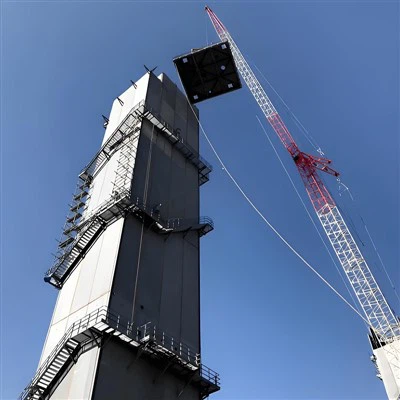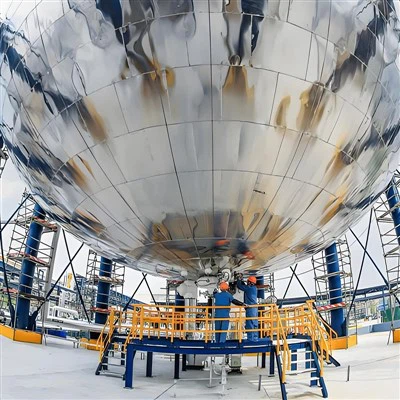
Hey there! As a supplier of air separation plants, I've had my fair share of experiences dealing with the ins and outs of these complex systems. Air separation plants are super important in various industries, from healthcare to manufacturing, as they're used to separate air into its primary components like oxygen, nitrogen, and argon. But let me tell you, operating an air separation plant isn't a walk in the park. There are quite a few challenges that come with the territory, and I'm gonna break them down for you.
Technical Complexities
First off, the technical side of running an air separation plant is mind - boggling. These plants rely on a bunch of different processes, mainly cryogenic distillation, which involves cooling air to extremely low temperatures. You've gotta be really precise with the temperature control because even a small deviation can mess up the separation process. For example, if the temperature isn't low enough, the components won't separate properly, and you won't get the high - purity oxygen or nitrogen that your customers need.
Another technical challenge is the equipment maintenance. The machinery in an air separation plant is high - tech and expensive. Compressors, heat exchangers, and distillation columns need regular check - ups and servicing. Any malfunction in these parts can lead to production downtime, which is a huge headache for both us suppliers and the plant operators. And let's not forget about the calibration of sensors. These sensors are crucial for monitoring things like temperature, pressure, and flow rates. If they're not calibrated correctly, the whole system can go haywire.
Energy Consumption
Energy is a major pain point when it comes to operating an air separation plant. These plants are energy hogs! The process of compressing air, cooling it down to cryogenic temperatures, and then separating the components requires a massive amount of electricity. High energy consumption not only means higher operating costs but also has a significant environmental impact.
As a supplier, we're constantly looking for ways to help our customers reduce energy usage. We offer Air Separation Unit With Nitrogen Purity Of 99.9999% that are designed with energy - efficient technologies. For instance, some of our units use advanced heat exchangers that can recover and reuse heat, which helps cut down on the overall energy demand. But even with these improvements, energy consumption remains a big challenge in the industry.
Safety Concerns
Safety is non - negotiable when it comes to air separation plants. The cryogenic temperatures involved mean there's a risk of frostbite and cold burns for the operators. Also, the gases produced, like oxygen and nitrogen, can be dangerous if not handled properly. Oxygen is highly flammable, and an oxygen - rich environment can increase the risk of fire. On the other hand, nitrogen is an asphyxiant. If there's a nitrogen leak in an enclosed space, it can displace oxygen and lead to suffocation.
We provide comprehensive safety training to our customers when they purchase our plants. We also equip our Small Air Separation Unit with safety features like gas detectors, emergency shut - off valves, and proper ventilation systems. But despite all these precautions, safety remains a constant challenge, and operators need to be vigilant at all times.
Market Competition
The air separation plant market is pretty competitive. There are a lot of suppliers out there, all vying for the same customers. To stand out, we need to offer high - quality products at competitive prices. But it's not just about the price and quality. Customers also look for after - sales service, technical support, and the ability to customize plants according to their specific needs.
We're constantly innovating to stay ahead of the competition. For example, we're working on developing more compact and modular air separation plants that can be easily installed and integrated into different industrial settings. Our Liquid Oxygen Plant And Liquid Nitrogen Plant are designed to be flexible and can be tailored to meet the production requirements of various industries. However, keeping up with the competition and meeting customer expectations is an ongoing challenge.
Regulatory Compliance
There are a ton of regulations that govern the operation of air separation plants. These regulations cover everything from environmental protection to worker safety. For example, there are limits on the emissions of greenhouse gases, and plants need to have proper waste management systems in place.


Complying with these regulations can be a real hassle. It requires a lot of paperwork, regular inspections, and sometimes even costly upgrades to the plant. As a supplier, we need to make sure that our plants meet all the regulatory requirements. We work closely with our customers to help them understand and comply with these regulations, but it's still a challenge that we all have to face.
Supply Chain Issues
The supply chain for air separation plants can be quite complex. We rely on a network of suppliers to provide us with the raw materials and components needed to build these plants. Any disruption in the supply chain, like a shortage of key materials or delays in shipping, can affect our production schedule.
For example, if there's a global shortage of a certain type of metal that's used in the construction of heat exchangers, it can hold up the production of our air separation units. And since these plants are often built to order, any delay can lead to unhappy customers. We try to manage the supply chain as efficiently as possible by building good relationships with our suppliers and maintaining a certain level of inventory. But supply chain issues are still a challenge that we encounter from time to time.
Conclusion
Operating an air separation plant is no easy feat. From technical complexities and high energy consumption to safety concerns, market competition, regulatory compliance, and supply chain issues, there are a whole bunch of challenges that plant operators and suppliers like us have to deal with. But despite these challenges, the demand for air separation plants is still high, and the industry is constantly evolving.
If you're in the market for an air separation plant and are looking for a reliable supplier, we'd love to talk to you. We've got the experience, the technology, and the commitment to help you overcome these challenges and get the most out of your air separation plant. Don't hesitate to reach out for a consultation and let's start a conversation about your specific needs.
References
- "Handbook of Air Separation Technology"
- Industry reports on air separation plant operations and market trends.