Hey there! As a supplier of Cryogenic Equipment, I've seen firsthand the importance of getting the right cryogenic gear for preserving biological samples. In this blog, I'll break down what you need to know about the cryogenic equipment requirements for this crucial task.
Why Cryogenic Preservation?
First off, let's talk about why we even bother with cryogenic preservation of biological samples. Biological materials like cells, tissues, and organs are super delicate. At normal temperatures, they can degrade pretty quickly due to things like enzymatic activity, oxidation, and microbial contamination. But when you store them at extremely low temperatures, usually around -196°C using liquid nitrogen, you can put these biological processes on hold. This means you can keep the samples in a stable state for a long time, whether it's for research, medical treatments, or conservation purposes.
Key Cryogenic Equipment for Biological Sample Preservation
Liquid Nitrogen Storage Tanks
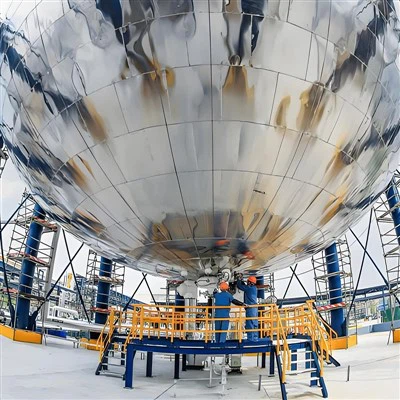
Liquid nitrogen is the go - to coolant for cryogenic preservation. That's where liquid nitrogen storage tanks come in. These tanks are designed to hold liquid nitrogen safely and keep it at the right temperature. There are different types, like static storage tanks and transport tanks.
Static storage tanks are great for long - term storage in a lab or a facility. They have high insulation to minimize the evaporation of liquid nitrogen, which is important because you don't want to keep refilling it too often. Some of these tanks come with features like level sensors, so you can easily monitor how much liquid nitrogen is left.
Transport tanks, on the other hand, are built to be more mobile. They need to be sturdy enough to withstand movement without losing too much liquid nitrogen. If you're moving samples between different locations, a good transport tank is essential. And when you're choosing a liquid nitrogen storage tank, you need to think about the capacity. How many samples do you need to store? A small lab might get away with a tank with a capacity of a few liters, while a large research center might need a tank that can hold hundreds of liters.
Cryogenic Freezers
Not all cryogenic preservation has to rely solely on liquid nitrogen. Cryogenic freezers are another option. These freezers can reach temperatures as low as -80°C or even lower. They use a refrigeration system to cool the interior.
One of the advantages of cryogenic freezers is that they're more convenient in some ways. You don't have to deal with the constant refilling of liquid nitrogen. They're also a bit safer in terms of not having to handle a large volume of extremely cold liquid. However, they might not be as cold as liquid nitrogen, so they might not be suitable for all types of biological samples. For example, some very sensitive samples might require the ultra - low temperatures of liquid nitrogen.
When picking a cryogenic freezer, look at things like the cooling rate. A fast cooling rate can help prevent ice crystal formation in the samples, which can damage the cells. Also, check the temperature uniformity inside the freezer. You want all parts of the freezer to be at a consistent temperature to ensure the samples are preserved evenly.
Cryogenic Vials and Containers
Once you've got your cooling equipment sorted, you need a place to put the biological samples. Cryogenic vials and containers are specially designed to withstand the extreme cold.
These vials are usually made of materials like polypropylene, which can handle the low temperatures without cracking or becoming brittle. They come in different sizes, from small 0.5 ml vials for individual cell samples to larger 5 ml or 10 ml vials for tissue samples.
Some vials have screw - cap lids with O - rings to provide a tight seal, preventing any leakage of the sample or entry of contaminants. And for better organization, many vials have a writing area where you can label the sample details, like the type of sample, the date of collection, and any other relevant information.
Programmable Freezers
For more precise control over the cooling process, programmable freezers are a great option. These freezers allow you to set a specific cooling rate and temperature profile.
When you're freezing biological samples, a slow and controlled cooling rate is often better. It helps reduce the formation of ice crystals, which can damage the cells. With a programmable freezer, you can program it to cool the samples at a rate that's optimal for the specific type of biological material. For example, some cells might need to be cooled at a rate of 1°C per minute, while others might require a different rate.
Cryogenic Transfer Equipment
Transferring samples between different cryogenic storage systems or from one location to another requires special equipment. Cryogenic transfer dewars are used to transfer liquid nitrogen safely. They're smaller, more portable versions of the large storage tanks.
There are also transfer tools like tongs and forceps made of materials that can withstand the cold. These tools are used to handle the cryogenic vials and containers without causing any damage to the samples. And when using transfer equipment, it's important to follow safety procedures to avoid any spills or accidents.
Other Considerations
Monitoring and Alarm Systems
It's crucial to keep an eye on the temperature and other conditions in your cryogenic storage. Monitoring systems can continuously measure the temperature inside the storage tanks or freezers. If the temperature goes out of the acceptable range, an alarm system can alert you immediately.
This is really important because a small temperature change can have a big impact on the viability of the biological samples. You can choose from different types of monitoring systems, from simple ones that just display the temperature to more advanced systems that can send alerts to your phone or email.
Safety Equipment
Working with cryogenic equipment is not without risks. Liquid nitrogen can cause severe frostbite if it comes into contact with your skin, and it can displace oxygen in an enclosed space, leading to asphyxiation.


So, safety equipment is a must. This includes things like insulated gloves, safety goggles, and face shields. You also need to have proper ventilation in the area where you're using cryogenic equipment to prevent oxygen depletion. And it's a good idea to have emergency procedures in place in case of an accident.
As a Supplier, What Can I Offer?
As a supplier of Cryogenic Equipment, I understand the unique needs of biological sample preservation. I can offer a wide range of high - quality cryogenic equipment, from liquid nitrogen storage tanks of different sizes to cryogenic freezers with customizable features.
If you're looking for Cryogenic Air Separation Nitrogen, I can provide solutions that are efficient and reliable. And for those in need of a Liquid Air Separation Plant, I have options that can meet various production requirements.
I also offer after - sales support, including maintenance and repair services. My team of experts can help you choose the right equipment for your specific needs, whether you're a small research lab or a large - scale biotech company.
If you're in the market for cryogenic equipment for biological sample preservation, don't hesitate to reach out. We can have a detailed discussion about your requirements and find the best solutions for you. Whether it's choosing the right size of storage tank or setting up a programmable freezer, I'm here to assist you every step of the way.
Conclusion
In conclusion, cryogenic preservation of biological samples requires a combination of the right equipment, proper monitoring, and strict safety measures. From liquid nitrogen storage tanks to cryogenic vials, each piece of equipment plays a vital role in keeping your samples in good condition. And as a cryogenic equipment supplier, I'm committed to providing you with the best products and services. So, if you're interested in purchasing cryogenic equipment for your biological sample preservation needs, get in touch, and let's start the conversation.
References
- "Cryogenic Technology for Biological Preservation" by John Smith, published in the Journal of Biological Storage, 2018.
- "Best Practices in Cryogenic Sample Storage" by Jane Doe, available in the Proceedings of the International Conference on Biotechnology, 2020.