Hey there! As a supplier of cryogenic equipment, I've been getting a lot of questions lately about the cryogenic equipment requirements for cryogenic remote - control systems. So, I thought I'd sit down and write this blog to share some insights on this topic.
First off, let's understand what cryogenic remote - control systems are. These systems are designed to operate and monitor cryogenic equipment from a distance. They're super useful in industries like healthcare (for things like storing vaccines at ultra - low temperatures), aerospace (for rocket fuel storage), and metallurgy (for processes that require extremely cold temperatures).
Temperature Control Equipment
One of the most crucial requirements for cryogenic remote - control systems is accurate temperature control. Cryogenic temperatures can go as low as - 150°C or even lower, and even a small deviation can have a huge impact on the process or the stored materials.
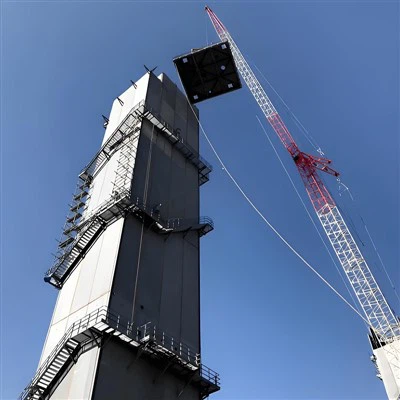
We need reliable temperature sensors. These sensors are the eyes of the system, constantly sending data about the temperature inside the cryogenic equipment. For example, in a Cryogenic Air Separation Plant, precise temperature control is essential for separating different gases like oxygen, nitrogen, and argon. If the temperature is off, the separation process won't work efficiently, and you might end up with impure gases.
Thermostats are another key component. They take the data from the sensors and adjust the cooling system accordingly. In a cryogenic remote - control setup, these thermostats need to be able to communicate with the control center. This way, operators can monitor and adjust the temperature settings from afar.
Insulation Materials
Good insulation is a must - have for cryogenic equipment in a remote - control system. Without proper insulation, heat will leak into the system, causing the temperature to rise and increasing energy consumption.
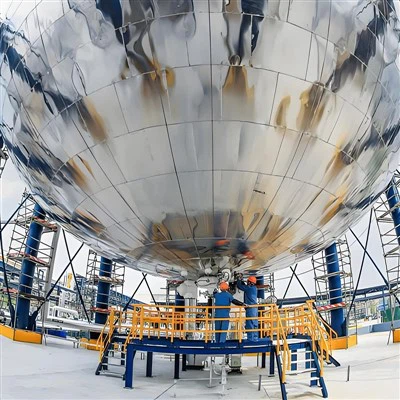
We use materials like perlite, which is a lightweight volcanic glass that has excellent insulating properties. It can be used to insulate storage tanks and pipelines. Another popular choice is polyurethane foam. It's easy to apply and provides a high level of insulation.
In a Cryogenic Air Separation Unit, proper insulation is crucial to maintain the low temperatures required for the separation process. If the insulation is poor, the unit will have to work harder to keep the temperature down, which means more energy usage and higher costs.
Pressure Control Equipment
Cryogenic systems often operate under high pressures. So, pressure control is just as important as temperature control. Pressure sensors are used to monitor the pressure inside the equipment. These sensors send data to the control system, which can then take appropriate action if the pressure gets too high or too low.
Relief valves are also essential. They act as a safety mechanism. If the pressure inside the cryogenic equipment exceeds a certain limit, the relief valve will open, releasing some of the pressure to prevent damage to the system.
In a Cryogenic ASU Equipment, pressure control is vital for the safe and efficient operation of the unit. For example, if the pressure in the distillation columns is not properly controlled, it can lead to unstable separation processes and even pose a safety risk.
Communication and Monitoring Systems
For a cryogenic remote - control system to work effectively, there needs to be a reliable communication and monitoring system in place. This includes things like sensors that can transmit data wirelessly or through a wired network.
We use industrial Ethernet or Wi - Fi to connect the cryogenic equipment to the control center. This allows operators to monitor various parameters such as temperature, pressure, and flow rate in real - time. They can also receive alerts if there are any issues with the equipment.


Software is also a key part of the monitoring system. It provides a user - friendly interface for operators to view and analyze the data. With the right software, operators can make informed decisions about adjusting the settings of the cryogenic equipment.
Safety Equipment
Safety is always a top priority in cryogenic systems. There are several safety equipment requirements for cryogenic remote - control systems.
Leak detectors are essential. They can detect leaks of cryogenic fluids like liquid nitrogen or liquid oxygen. These leaks can be extremely dangerous as they can cause asphyxiation or frostbite. Once a leak is detected, the system can send an alert to the operators, who can then take appropriate action.
Fire suppression systems are also necessary. Although cryogenic fluids are not flammable, the equipment itself can pose a fire risk. For example, electrical components in the control system can overheat and cause a fire. A fire suppression system can quickly extinguish the fire and prevent it from spreading.
Maintenance and Serviceability
When choosing cryogenic equipment for a remote - control system, it's important to consider maintenance and serviceability. The equipment should be designed in such a way that it's easy to access and repair.
Modular design is a great option. It allows for easy replacement of individual components. For example, if a temperature sensor fails, it can be easily removed and replaced without having to shut down the entire system.
Regular maintenance is also crucial. This includes things like cleaning the equipment, checking the sensors and valves, and lubricating moving parts. With a remote - control system, operators can schedule maintenance tasks in advance and monitor the equipment's performance after the maintenance is done.
Why Choose Our Cryogenic Equipment
As a cryogenic equipment supplier, we understand the unique requirements of cryogenic remote - control systems. Our equipment is designed with the latest technology to ensure accurate temperature and pressure control, reliable communication, and top - notch safety features.
We offer a wide range of cryogenic equipment, including Cryogenic ASU Equipment, Cryogenic Air Separation Plant, and Cryogenic Air Separation Unit. Our products are built to last and are backed by our excellent customer service.
If you're in the market for cryogenic equipment for your remote - control system, I encourage you to get in touch with us. We can help you choose the right equipment for your specific needs and provide you with all the support you need during the installation and operation process. Whether you're a small business or a large industrial facility, we have the solutions for you. So, don't hesitate to reach out and start a conversation about your cryogenic equipment requirements.
References
- "Cryogenic Engineering Handbook" by R. Barron
- "Industrial Cryogenic Systems: Design, Operation, and Maintenance" by various authors