Hey there! As a supplier of Liquid Co2 Plants, I've been getting a lot of questions about the environmental impact assessments for these facilities. So, I thought I'd take a deep dive into this topic and share some insights with you all.
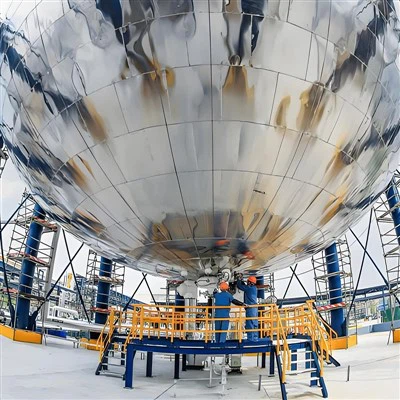
First off, let's understand what a Liquid Co2 Plant is. There are different types, like the Liquid Co2 Production Plant, Liquid CO2 Refinery Plant, and CO 2 Purification and Liquefaction Plants. These plants are responsible for capturing, purifying, and liquefying carbon dioxide, which has various industrial applications.
Air Quality Impact
One of the primary concerns when it comes to environmental impact is air quality. During the operation of a Liquid Co2 Plant, there are potential emissions that need to be carefully monitored. For instance, the combustion processes used in some parts of the plant can release pollutants such as nitrogen oxides (NOx), sulfur dioxide (SO2), and particulate matter.
NOx emissions can contribute to the formation of smog and acid rain, which can have harmful effects on human health and the environment. SO2 emissions, on the other hand, can cause respiratory problems and damage to vegetation. Particulate matter can also be a significant issue, especially if it contains fine particles that can be inhaled deep into the lungs.
To mitigate these emissions, modern Liquid Co2 Plants are equipped with advanced pollution control technologies. For example, catalytic converters can be used to reduce NOx emissions, while scrubbers can remove SO2 from the exhaust gases. Additionally, filters are installed to capture particulate matter before it is released into the atmosphere.
Water Usage and Discharge
Another important aspect of the environmental impact assessment is water usage and discharge. Liquid Co2 Plants often require a significant amount of water for cooling purposes. This water is typically drawn from nearby water sources, such as rivers, lakes, or groundwater.
The large-scale water withdrawal can have an impact on the local water supply and aquatic ecosystems. It can reduce the flow of water in rivers and streams, which can affect the habitat of fish and other aquatic organisms. Moreover, the water discharged from the plant may contain elevated temperatures and chemical contaminants, which can also harm the environment.
To address these issues, plants implement water conservation measures and treatment systems. They may use closed-loop cooling systems to reduce water consumption, and they treat the discharged water to remove any contaminants before releasing it back into the environment.
Land Use and Habitat Disruption
The construction and operation of a Liquid Co2 Plant also require a certain amount of land. This can lead to habitat disruption and fragmentation, especially if the plant is built in an area with sensitive ecosystems. For example, it may destroy natural habitats for wildlife, such as forests or wetlands.
To minimize the impact on land use and habitats, environmental impact assessments often involve a detailed analysis of the area's ecological value. Developers may be required to implement mitigation measures, such as creating artificial habitats or restoring damaged areas. They may also be required to offset the loss of natural habitats by protecting or restoring other areas of similar ecological importance.
Greenhouse Gas Emissions
You might be thinking, "Wait a minute, isn't the whole point of a Liquid Co2 Plant to capture and liquefy carbon dioxide? How can it contribute to greenhouse gas emissions?" Well, while the primary function of the plant is to deal with CO2, there are still some indirect greenhouse gas emissions associated with its operation.
For example, the energy required to run the plant, such as electricity and fuel for transportation, often comes from fossil fuels. The combustion of these fossil fuels releases CO2 and other greenhouse gases into the atmosphere. Additionally, if there are any leaks in the CO2 storage or transportation systems, it can also result in the release of CO2.
To reduce these indirect emissions, plants are increasingly looking for ways to use renewable energy sources. Some plants are installing solar panels or wind turbines to generate their own electricity. They are also improving the efficiency of their operations to reduce the overall energy consumption.
Noise Pollution
Noise pollution is another factor that needs to be considered in the environmental impact assessment. The operation of a Liquid Co2 Plant involves various machinery and equipment, such as compressors, pumps, and fans, which can generate significant noise levels.
Excessive noise can have a negative impact on the health and well-being of nearby residents. It can cause hearing loss, sleep disturbances, and stress. To minimize noise pollution, plants are required to install noise barriers and use low-noise equipment. They also need to comply with local noise regulations.
Regulatory Requirements and Compliance
In most countries, there are strict regulatory requirements for environmental impact assessments of industrial facilities, including Liquid Co2 Plants. These regulations are designed to ensure that the plants operate in an environmentally responsible manner.
Developers are required to conduct a comprehensive environmental impact assessment before starting the construction of the plant. The assessment must include an analysis of all the potential environmental impacts, as well as proposed mitigation measures. Once the plant is operational, it must comply with ongoing monitoring and reporting requirements to ensure that it continues to meet the environmental standards.
Benefits of Liquid Co2 Plants
Despite the potential environmental impacts, Liquid Co2 Plants also offer several environmental benefits. One of the main benefits is carbon capture and storage (CCS). By capturing and liquefying CO2, these plants can prevent a significant amount of greenhouse gas emissions from entering the atmosphere. This can help to mitigate climate change and reduce the global carbon footprint.


In addition, the captured CO2 can be used in various industrial processes, such as enhanced oil recovery, food and beverage production, and the production of building materials. This not only reduces the demand for fossil fuels but also provides a valuable resource for other industries.
Conclusion
In conclusion, the environmental impact assessment for a Liquid Co2 Plant is a complex process that involves evaluating multiple factors, including air quality, water usage, land use, greenhouse gas emissions, noise pollution, and regulatory compliance. While there are certainly potential environmental impacts associated with these plants, modern technologies and mitigation measures can help to minimize these impacts.
As a supplier of Liquid Co2 Plants, we are committed to providing our customers with environmentally friendly solutions. We work closely with them to ensure that their plants are designed and operated in a way that minimizes the environmental impact while maximizing the benefits.
If you're interested in learning more about our Liquid Co2 Plants or have any questions about the environmental impact assessments, I'd love to hear from you. Feel free to reach out and start a conversation about your specific needs and how we can help you make a more sustainable choice.
References
- "Environmental Impact Assessment: A Practical Guide" by Peter Glasson, Barney Therivel, and Andrew Chadwick.
- "Carbon Capture and Storage: How it Works" by the International Energy Agency.
- "Water Conservation in Industrial Processes" by the United Nations Industrial Development Organization.