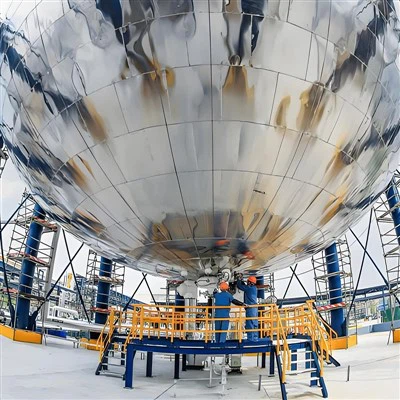
Hey there! As a supplier of Cryogenic Gas Plant, I've been thinking a lot about the environmental impacts of these plants. Cryogenic gas plants are super important in various industries, providing gases like nitrogen, oxygen, and argon through a process that involves extremely low temperatures. But like any industrial operation, they do have an impact on the environment. Let's dive into what those impacts are.
Energy Consumption
One of the biggest environmental impacts of a cryogenic gas plant is its energy consumption. These plants use a ton of electricity to run the compressors, refrigeration systems, and other equipment needed to cool the air to cryogenic temperatures. The cooling process is energy - intensive because it has to lower the temperature of the air to extremely low levels, often below -150°C.


Most of the time, this electricity comes from power plants that burn fossil fuels like coal, natural gas, or oil. When these fossil fuels are burned, they release greenhouse gases such as carbon dioxide (CO₂), methane (CH₄), and nitrous oxide (N₂O) into the atmosphere. CO₂ is the main culprit when it comes to global warming. The more energy a cryogenic gas plant uses, the more greenhouse gases are emitted from the power plants that supply it.
However, there are ways to reduce this impact. Some cryogenic gas plants are starting to use renewable energy sources like solar, wind, or hydroelectric power. By switching to these clean energy sources, the plant can significantly reduce its carbon footprint. For example, a cryogenic gas plant in a sunny region could install solar panels on its rooftops or nearby land to generate a portion of its electricity needs.
Air Emissions
Apart from the greenhouse gases associated with energy consumption, cryogenic gas plants can also emit other pollutants into the air. During the operation of the plant, there can be small leaks of the gases being produced, such as nitrogen, oxygen, and argon. While these gases are generally non - toxic and make up a large part of the Earth's atmosphere, large leaks can still have an impact.
For instance, if there is a significant leak of nitrogen, it can displace oxygen in a confined space. This is a safety hazard for workers in the plant, but it can also affect the local environment. In some cases, nitrogen leaks can contribute to the formation of smog and acid rain when it reacts with other pollutants in the atmosphere.
Another potential air emission is particulate matter. The compressors and other equipment in the plant can generate small particles of dust and debris. These particles can be inhaled by humans and animals, causing respiratory problems. To reduce these emissions, plants are required to have proper ventilation systems and filters in place. These filters can trap the particulate matter before it is released into the atmosphere.
Water Usage
Cryogenic gas plants also use a substantial amount of water for cooling purposes. The refrigeration systems in the plant need to be cooled continuously to maintain the low temperatures required for the cryogenic process. Water is often used as a coolant because it has a high heat capacity, which means it can absorb a lot of heat.
The water is usually taken from a nearby water source, such as a river, lake, or groundwater well. After it has been used for cooling, the water is returned to the source, but it is often warmer than when it was taken. This increase in water temperature, known as thermal pollution, can have a negative impact on the aquatic ecosystem.
Warmer water can reduce the amount of dissolved oxygen in the water, which is essential for the survival of fish and other aquatic organisms. It can also disrupt the breeding and migration patterns of these organisms. To mitigate this impact, some plants use cooling towers or other advanced cooling technologies that reuse the water multiple times, reducing the overall water consumption and the amount of warm water discharged into the environment.
Waste Generation
Like any industrial facility, cryogenic gas plants generate waste. The main types of waste include spent adsorbents, filters, and other equipment parts that need to be replaced over time. These waste materials can contain contaminants such as heavy metals, chemicals, and other pollutants.
If these waste materials are not disposed of properly, they can contaminate the soil and groundwater. For example, spent adsorbents that have been used to remove impurities from the gas stream may contain small amounts of toxic chemicals. If these adsorbents are dumped in a landfill without proper treatment, the chemicals can leach into the soil and eventually reach the groundwater.
To address this issue, cryogenic gas plants need to have a proper waste management plan in place. This plan should include procedures for recycling, reusing, and disposing of waste materials in an environmentally friendly way. For example, some spent adsorbents can be regenerated and reused, while others can be sent to specialized waste treatment facilities for proper disposal.
Noise Pollution
The operation of a cryogenic gas plant can be quite noisy. The compressors, pumps, and other equipment in the plant generate a lot of noise. This noise can be a nuisance for the workers in the plant, but it can also affect the surrounding community.
Exposure to high levels of noise can cause hearing loss, stress, and sleep disturbances in humans. It can also disrupt the behavior and communication of animals in the area. To reduce noise pollution, plants can install sound - absorbing materials around the equipment and build noise barriers around the plant perimeter.
Mitigation Strategies
As a supplier of Cryogenic Gas Plant, we are committed to helping our customers reduce the environmental impacts of their plants. We offer a range of Cryogenic Nitrogen Generator and Cryogenic Liquid Nitrogen Plant solutions that are designed to be more energy - efficient and environmentally friendly.
For example, our latest models of cryogenic nitrogen generators use advanced compressor technology that reduces energy consumption by up to 20%. They also have better sealing systems to minimize gas leaks. In addition, we provide training and support to our customers on how to operate their plants in an environmentally responsible way.
If you're in the market for a cryogenic gas plant and are concerned about its environmental impact, we'd love to talk to you. We can help you find the right solution that meets your production needs while minimizing the impact on the environment. Contact us to start a discussion about your requirements and how we can assist you in making a more sustainable choice.
References
- "Environmental Impact Assessment of Industrial Facilities." Environmental Protection Agency.
- "Cryogenic Engineering Handbook." Edited by R. W. Fast.
- "Renewable Energy for Industrial Applications." International Renewable Energy Agency.