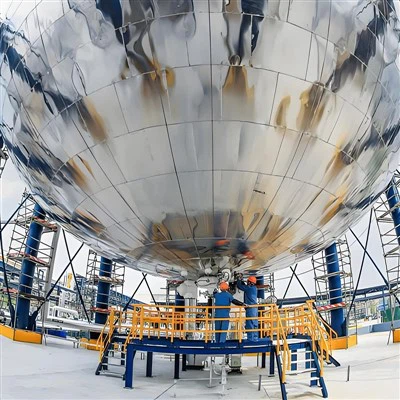
In the realm of industrial gas production, cryogenic gas plants have long played a pivotal role. As a seasoned supplier of Cryogenic Gas Plant, I've witnessed firsthand the remarkable evolution of these facilities. In this blog post, I'll delve into the future development directions of cryogenic gas plants, exploring the trends, technologies, and market forces that are shaping their trajectory.
Technological Advancements
One of the most significant drivers of change in the cryogenic gas plant industry is technological innovation. Over the past few decades, we've seen a steady stream of improvements in cryogenic technology, leading to more efficient, reliable, and cost - effective plants.
Energy Efficiency
Energy consumption is a major cost factor in cryogenic gas production. Future cryogenic gas plants will focus on further enhancing energy efficiency. New compressor designs, advanced heat exchangers, and optimized process control systems will be key areas of development. For example, the use of magnetic bearings in compressors can reduce friction losses, resulting in significant energy savings. Additionally, advanced heat exchanger materials and geometries can improve heat transfer efficiency, minimizing the energy required for cooling and heating processes.
Automation and Digitalization
The integration of automation and digitalization is another trend that will transform cryogenic gas plants. With the advent of the Industrial Internet of Things (IIoT), plants can now collect and analyze vast amounts of data in real - time. This data can be used to optimize plant operations, predict equipment failures, and improve overall productivity. For instance, sensors can monitor key parameters such as temperature, pressure, and flow rate, and send alerts when deviations occur. Predictive maintenance algorithms can then analyze the data to schedule maintenance before a breakdown happens, reducing downtime and maintenance costs.
Advanced Separation Technologies
The separation of gases is a core function of cryogenic gas plants. Future plants will likely adopt more advanced separation technologies to improve product purity and yield. Membrane separation, for example, is a promising technology that can selectively separate gases based on their molecular size and solubility. When combined with cryogenic processes, membrane separation can enhance the overall efficiency of gas separation, especially for applications that require high - purity gases.
Market Trends
Market demands also play a crucial role in shaping the future of cryogenic gas plants. Several key market trends are expected to drive the development of these plants in the coming years.


Growing Demand for High - Purity Gases
The semiconductor, electronics, and pharmaceutical industries have a growing demand for high - purity gases such as nitrogen, oxygen, and argon. These industries require gases with extremely low levels of impurities to ensure the quality and reliability of their products. As a result, cryogenic gas plants will need to focus on producing gases with higher purity levels. Our Cryogenic Nitrogen Generation Plant and Cryogenic Liquid Nitrogen Plant are well - positioned to meet these demands, with advanced purification technologies that can achieve high purity levels.
Expansion of Renewable Energy Storage
Renewable energy sources such as solar and wind are intermittent, which means that energy storage is essential for their widespread adoption. Cryogenic energy storage (CES) is an emerging technology that uses cryogenic gases to store energy. In a CES system, excess electricity is used to liquefy a gas, and the stored energy can be released by allowing the gas to vaporize and drive a turbine. As the demand for renewable energy storage grows, cryogenic gas plants may play a role in supplying the necessary cryogenic gases for these systems.
Increasing Focus on Sustainability
Sustainability is becoming an increasingly important consideration for industries around the world. Cryogenic gas plants can contribute to sustainability goals by reducing energy consumption, minimizing emissions, and recycling waste materials. For example, some cryogenic plants are exploring the use of waste heat recovery systems to generate electricity or pre - heat process fluids. Additionally, the development of more environmentally friendly refrigerants can help reduce the environmental impact of cryogenic processes.
Customization and Modularization
In the future, cryogenic gas plants will likely become more customizable and modular. Different industries have unique requirements for gas production, such as capacity, purity, and pressure. By offering customizable plants, suppliers can better meet the specific needs of their customers. Modular design, on the other hand, allows for faster installation and commissioning of plants. Modules can be pre - fabricated in a factory and then transported to the site for assembly, reducing construction time and costs.
Globalization and International Trade
The globalization of the industrial gas market is another factor that will influence the future of cryogenic gas plants. As industries expand their operations globally, there is a growing need for reliable and efficient gas supply in different regions. This may lead to the construction of more cryogenic gas plants in emerging economies to meet the local demand. Additionally, international trade in industrial gases is likely to increase, which will require cryogenic gas plants to be designed for easy transportation and integration into global supply chains.
Conclusion
The future of cryogenic gas plants is filled with exciting possibilities. Technological advancements, market trends, and sustainability concerns are all driving the development of these plants in new directions. As a supplier of cryogenic gas plants, we are committed to staying at the forefront of these changes, continuously innovating to meet the evolving needs of our customers.
If you are interested in learning more about our cryogenic gas plants or have specific requirements for gas production, we invite you to contact us for a detailed discussion. Our team of experts is ready to assist you in finding the best solution for your business.
References
- Smith, J. (2020). Advances in Cryogenic Technology. Journal of Industrial Gas Engineering, 15(2), 45 - 56.
- Johnson, A. (2021). Market Trends in the Industrial Gas Industry. International Journal of Energy and Market Analysis, 22(3), 78 - 90.
- Brown, C. (2019). Sustainability in Cryogenic Gas Production. Environmental Science and Technology Review, 12(4), 112 - 125.