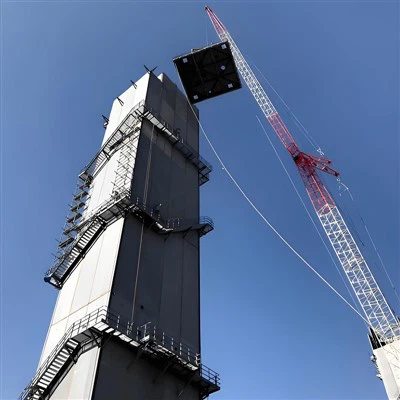
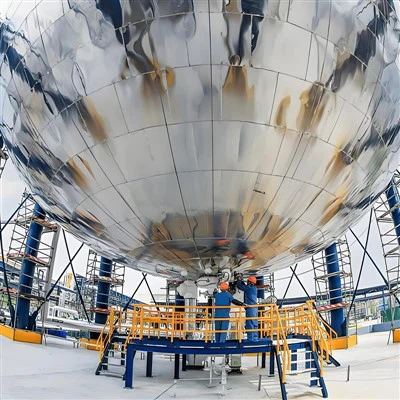
Hey there! I'm a supplier of liquid oxygen plants. Today, I wanna talk about the risks associated with a liquid oxygen plant.
First off, let's understand what a liquid oxygen plant is. A liquid oxygen plant is a facility where oxygen is cooled and compressed to turn it into its liquid state. This liquid oxygen has a wide range of uses, from medical applications to industrial processes. You can learn more about Oxygen Liquid Plant.
Fire and Explosion Risks
One of the most significant risks associated with a liquid oxygen plant is the potential for fire and explosion. Liquid oxygen is a powerful oxidizer. That means it can make other materials burn much more easily and vigorously than they would in normal air. If there's a leak of liquid oxygen and it comes into contact with combustible materials like oil, grease, or organic substances, it can create a highly flammable mixture.
Even a small spark or a source of heat, like an electrical short - circuit or a hot surface, can ignite this mixture. Once ignited, the fire can spread rapidly and cause a massive explosion. This is not only dangerous for the plant workers but also for the surrounding area. To prevent such disasters, strict safety protocols need to be in place. All equipment should be regularly inspected for leaks, and any combustible materials should be kept far away from the liquid oxygen storage and handling areas.
Cryogenic Hazards
Liquid oxygen is extremely cold, with a boiling point of around -183°C (-297°F). Handling such a cryogenic substance comes with its own set of risks. Direct contact with liquid oxygen can cause severe frostbite. If a worker accidentally spills liquid oxygen on their skin or clothes, it can freeze the tissue almost instantly, leading to permanent damage.
Moreover, the cold temperatures can also affect the mechanical properties of materials. Pipes, valves, and other equipment made of certain metals can become brittle at these low temperatures. This increases the risk of cracks and leaks in the system. To deal with cryogenic hazards, workers need to wear appropriate protective clothing, including insulated gloves, face shields, and special suits. The plant's infrastructure should also be designed with materials that can withstand these extreme cold conditions. You can find out more about building a safe Liquid Oxygen Plant Build.
Oxygen Enrichment
When liquid oxygen evaporates, it releases a large amount of gaseous oxygen into the surrounding environment. This can lead to oxygen enrichment in the air. In an oxygen - enriched atmosphere, even materials that are not normally considered flammable can burn easily. For example, ordinary clothing or paper can become highly combustible in an oxygen - rich area.


Oxygen enrichment can also be a health hazard. Breathing in an oxygen - enriched environment for an extended period can cause nausea, dizziness, and in severe cases, it can even damage the lungs. To monitor oxygen levels, continuous air quality monitoring systems should be installed in the plant. If oxygen levels exceed the safe limits, proper ventilation should be immediately activated to dilute the oxygen concentration.
Pressure - related Risks
The process of producing and storing liquid oxygen involves high pressures. Pumps, compressors, and storage tanks are all under significant pressure. If there is a malfunction in the pressure - control systems, it can lead to over - pressurization. This can cause pipes to burst or storage tanks to rupture.
A sudden release of pressure can send shrapnel flying in all directions, endangering the lives of workers. To avoid pressure - related accidents, pressure relief valves should be installed in all high - pressure equipment. These valves are designed to open automatically when the pressure exceeds a safe limit, allowing the excess pressure to escape in a controlled manner.
Chemical Contamination
During the production of liquid oxygen, there is a risk of chemical contamination. Impurities in the feed air, such as hydrocarbons, can be present in the liquid oxygen. Hydrocarbons are combustible, and their presence in liquid oxygen can increase the risk of fire and explosion.
Other contaminants, like nitrogen oxides or sulfur compounds, can also be harmful. They can corrode the equipment and affect the quality of the liquid oxygen. To ensure the purity of the liquid oxygen, advanced purification systems are required. These systems use filters and adsorbents to remove impurities from the feed air before it is liquefied. You can get more insights into a Liquid Oxygen Manufacturing Plant and how to prevent contamination.
Health Risks to Workers
Apart from the physical and chemical risks, there are also health risks to the plant workers. Prolonged exposure to the noise generated by the plant's machinery can cause hearing loss. The constant hum of compressors, pumps, and fans can be very loud, and if workers are not provided with proper hearing protection, it can have a long - term impact on their auditory system.
In addition, the inhalation of small amounts of oxygen vapor or other gases released during the process can cause respiratory problems. Workers may experience coughing, shortness of breath, or irritation in the throat and lungs. To protect the health of workers, the plant should provide regular medical check - ups, and appropriate personal protective equipment (PPE) should be made available at all times.
Environmental Risks
A liquid oxygen plant can also have an impact on the environment. In case of a major accident, such as a large - scale fire or explosion, it can release pollutants into the air, soil, and water. The combustion of materials in the presence of liquid oxygen can produce harmful gases like carbon monoxide, nitrogen oxides, and particulate matter.
These pollutants can have a negative impact on air quality, contributing to smog and acid rain. If there is a leak of liquid oxygen or other chemicals into the soil or water sources, it can contaminate them, affecting the local ecosystem. To minimize the environmental impact, the plant should have proper emergency response plans in place, and waste management practices should be environmentally friendly.
Conclusion
As you can see, running a liquid oxygen plant comes with a whole bunch of risks. But with proper planning, strict safety measures, and regular maintenance, these risks can be effectively managed. At our company, we take these risks very seriously. We've designed our Oxygen Liquid Plant with the latest safety technologies and follow all the industry standards.
If you're in the market for a liquid oxygen plant, whether it's for a small - scale medical facility or a large - scale industrial operation, we're here to help. We can build a Liquid Oxygen Plant Build that meets your specific needs and ensures the highest level of safety. And our Liquid Oxygen Manufacturing Plant is equipped to produce high - quality liquid oxygen efficiently.
Don't hesitate to reach out if you're interested in purchasing a liquid oxygen plant. We can have a detailed discussion about your requirements and provide you with a customized solution.
References
- "Industrial Gas Handbook: Gas Separation and Purification" by Geoffrey T. Rochelle
- "Cryogenic Engineering" by Richard W. Swift
- Safety guidelines from the Occupational Safety and Health Administration (OSHA)