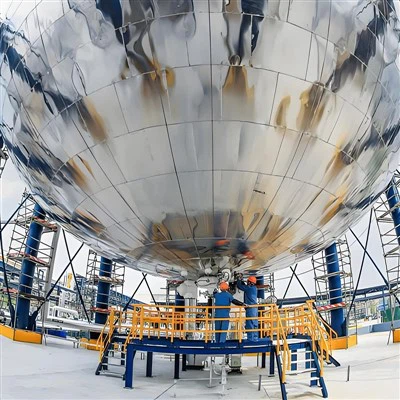
Sustainable development has become a global imperative, and the liquid CO2 plant industry is no exception. As a supplier of liquid CO2 plants, I understand the importance of implementing strategies that not only ensure the efficient production of liquid CO2 but also minimize environmental impact and contribute to long - term economic viability. In this blog, I will explore several sustainable development strategies for a liquid CO2 plant.
1. Energy Efficiency Optimization
One of the most significant aspects of sustainable development in a liquid CO2 plant is energy efficiency. The process of CO2 purification, liquefaction, and storage consumes a substantial amount of energy. By optimizing energy use, we can reduce operational costs and lower greenhouse gas emissions associated with energy production.
Advanced Process Technologies
Investing in advanced process technologies is crucial. For example, using state - of - the - art heat exchangers can significantly improve the heat transfer efficiency in the liquefaction process. These heat exchangers are designed to recover and reuse waste heat, which would otherwise be lost. This not only reduces the energy required for heating and cooling but also decreases the overall energy consumption of the plant.
Another advanced technology is the use of variable - speed drives (VSDs) for pumps and compressors. VSDs allow these equipment to adjust their speed according to the actual process requirements. Instead of running at a constant high speed, they can operate at a lower speed when less power is needed, thus saving energy.
Energy Management Systems
Implementing an energy management system (EMS) is also essential. An EMS can monitor and control the energy consumption of different processes in the plant in real - time. It can identify energy - intensive areas and suggest optimization measures. For instance, it can detect if a particular compressor is consuming more energy than normal and prompt maintenance or adjustment. By having a comprehensive view of energy use, plant operators can make informed decisions to improve energy efficiency.
2. CO2 Capture and Utilization
A liquid CO2 plant can play a vital role in carbon capture and utilization (CCU). Instead of simply producing liquid CO2 from existing sources, the plant can capture CO2 emissions from industrial processes and convert them into valuable products.
Industrial CO2 Capture
Many industries, such as power plants, cement factories, and refineries, emit large amounts of CO2. A liquid CO2 plant can be integrated with these industries to capture their CO2 emissions. This not only reduces the amount of CO2 released into the atmosphere but also provides a source of raw material for the production of liquid CO2.
There are several methods for CO2 capture, including post - combustion capture, pre - combustion capture, and oxy - fuel combustion. Post - combustion capture involves separating CO2 from the flue gas after the combustion process. Pre - combustion capture, on the other hand, captures CO2 before the fuel is burned. Oxy - fuel combustion uses pure oxygen instead of air for combustion, resulting in a flue gas that is mostly CO2 and water vapor, making it easier to capture.
CO2 Utilization
Once the CO2 is captured, it can be utilized in various ways. One of the most common applications is in the food and beverage industry, where liquid CO2 is used for carbonation. It can also be used in the oil and gas industry for enhanced oil recovery (EOR). In EOR, CO2 is injected into oil reservoirs to increase the pressure and displace oil, thus improving oil production.
In addition, CO2 can be used in the chemical industry to produce chemicals such as methanol, urea, and salicylic acid. These products not only have economic value but also help to reduce the overall carbon footprint by using CO2 as a feedstock. For more information on CO2 purification and liquefaction plants that can support these processes, you can visit CO 2 Purification and Liquefaction Plants.
3. Waste Reduction and Recycling
Minimizing waste generation and promoting recycling are important sustainable development strategies for a liquid CO2 plant.
Process Waste Reduction
During the production process, there may be some waste generated, such as impurities removed during CO2 purification. By optimizing the purification process, the amount of waste can be reduced. For example, using more efficient filtration and separation techniques can ensure that fewer impurities are removed, thus reducing the waste volume.
In addition, the plant can implement a closed - loop system for water and other process fluids. Instead of discharging used water, it can be treated and reused in the plant. This not only conserves water resources but also reduces the environmental impact associated with water discharge.
Recycling of By - products
Some by - products generated during the production of liquid CO2 may have potential value. For example, certain impurities removed during purification may contain valuable metals or chemicals. These by - products can be recycled and sold to other industries. This not only reduces waste but also generates additional revenue for the plant.
4. Environmental Monitoring and Compliance
To ensure sustainable development, a liquid CO2 plant must comply with environmental regulations and continuously monitor its environmental impact.
Environmental Monitoring
Regular environmental monitoring is necessary to assess the plant's impact on air, water, and soil quality. This includes monitoring emissions of pollutants such as particulate matter, sulfur dioxide, and nitrogen oxides. By measuring these emissions, the plant can identify areas where improvements are needed.
Water quality monitoring is also important, especially if the plant uses water for cooling or other processes. Monitoring parameters such as pH, chemical oxygen demand (COD), and heavy metal concentrations can help to ensure that the water discharged from the plant meets environmental standards.
Regulatory Compliance
Staying compliant with environmental regulations is non - negotiable. The plant must obtain all the necessary permits and licenses for its operations. It should also keep up - to - date with any changes in environmental regulations and adjust its processes accordingly. Failure to comply with regulations can result in fines, legal issues, and damage to the plant's reputation.


5. Community Engagement and Social Responsibility
A liquid CO2 plant should also consider its social impact and engage with the local community.
Community Engagement
Engaging with the local community can help to build a positive relationship and gain social acceptance. The plant can organize community events, such as open days, where local residents can visit the plant and learn about its operations. It can also involve the community in decision - making processes, such as when planning plant expansions or new projects.
By listening to the concerns and suggestions of the community, the plant can address any potential issues and ensure that its operations are in line with the community's interests.
Social Responsibility
The plant should also take on social responsibility. This can include supporting local education, healthcare, and environmental protection initiatives. For example, the plant can sponsor environmental education programs in local schools or contribute to the improvement of local water and air quality. By being a good corporate citizen, the plant can enhance its reputation and contribute to the sustainable development of the local community.
6. Research and Development
Investing in research and development (R&D) is crucial for the long - term sustainable development of a liquid CO2 plant.
New Technologies and Processes
R&D can focus on developing new technologies and processes that are more energy - efficient, environmentally friendly, and cost - effective. For example, researchers can explore new methods for CO2 capture and liquefaction that require less energy and have a lower environmental impact. They can also develop new products from CO2 that have higher value and wider applications.
Collaboration with Academia and Industry
Collaborating with academia and other industries is also important. Universities and research institutions can provide theoretical knowledge and innovative ideas, while other industries can share their practical experience. By working together, they can accelerate the development and implementation of new technologies and processes in the liquid CO2 plant industry.
As a supplier of liquid CO2 plants, we offer a range of high - quality products, including Liquid CO2 Refinery Plant and CO 2 Recovery and Liquefaction Plants. Our plants are designed with sustainability in mind, incorporating the latest technologies and best practices. If you are interested in purchasing a liquid CO2 plant or discussing sustainable development strategies for your existing plant, please feel free to contact us for a detailed negotiation.
References
- IPCC. (2018). Global Warming of 1.5°C. An IPCC Special Report on the impacts of global warming of 1.5°C above pre - industrial levels and related global greenhouse gas emission pathways, in the context of strengthening the global response to the threat of climate change, sustainable development, and efforts to eradicate poverty.
- International Energy Agency (IEA). (2020). Energy Efficiency 2020.
- American Chemical Society (ACS). (2019). Carbon Capture and Utilization: A Pathway to a Low - Carbon Future.