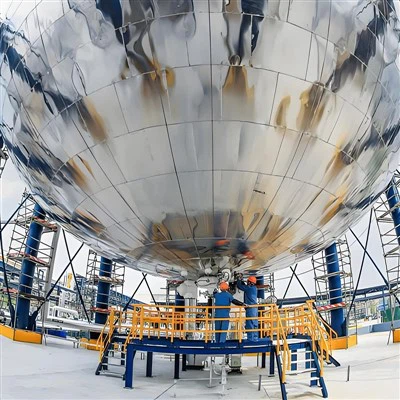
Hey there! I'm a supplier of Oxygen Liquid Plants, and I've been thinking a lot about how climate change is shaking things up for our industry. Let's dive right in and see what the impact of climate change is on an oxygen liquid plant.
First off, let's talk about the basics of an Oxygen Liquid Plant. These plants work by separating oxygen from the air through a process called cryogenic distillation. It's a pretty energy - intensive process that requires a stable environment to operate efficiently.
One of the most obvious impacts of climate change is the rise in average global temperatures. As the temperature goes up, the air density decreases. You see, in our oxygen liquid plants, we rely on the air's density to get the most oxygen out of it. When the air is less dense, there are fewer oxygen molecules per unit volume. This means that our plants have to work harder to extract the same amount of oxygen. We might have to run the compressors for longer periods or increase the power to the cooling systems, which in turn leads to higher energy consumption. And as we all know, higher energy consumption means higher costs for us and potentially for our customers too.
Another aspect is the increase in extreme weather events. Storms, hurricanes, and heatwaves are becoming more frequent and more intense. These events can cause physical damage to the Liquid Oxygen Production Plant. High - speed winds can damage the external structures of the plant, like the pipes and the cooling towers. Floods can inundate the electrical components, leading to system failures. Heatwaves can push the cooling systems to their limits, and if they can't handle the load, it can disrupt the entire production process.
For instance, during a heatwave, the ambient temperature can be so high that the refrigeration units in the plant have a hard time maintaining the low temperatures required for cryogenic distillation. If the temperature inside the distillation column rises even slightly, it can affect the separation efficiency of oxygen from other gases in the air. This means that the quality of the liquid oxygen produced might decline, and we might end up with a lower - purity product.
Climate change also affects the water sources that are crucial for our plants. Many oxygen liquid plants use water for cooling purposes. With changing precipitation patterns, some regions are experiencing droughts. This can lead to water shortages, and if we don't have enough water to cool our systems, we have to either reduce production or find alternative water sources, which can be expensive and logistically challenging.
On the other hand, in areas where there is increased rainfall and flooding, the water quality can deteriorate. Contaminated water can cause corrosion in the pipes and other equipment in the plant. This not only shortens the lifespan of the equipment but also requires more frequent maintenance and replacement of parts, adding to the operational costs.
Now, let's talk about the regulatory side of things. As the world becomes more aware of climate change, governments are introducing stricter environmental regulations. These regulations are aimed at reducing greenhouse gas emissions and promoting sustainable practices. For an oxygen liquid plant, this means that we have to invest in more energy - efficient technologies and equipment. We might have to upgrade our existing plants to meet the new standards, which requires a significant amount of capital.
But it's not all doom and gloom. There are also some opportunities that come with these challenges. The growing concern about climate change has led to an increased demand for clean and sustainable products. Our Medical Liquid Oxygen Plant can play a role in this. Medical oxygen is crucial for treating patients with respiratory problems, and as air quality deteriorates due to climate - related factors like wildfires and pollution, the demand for medical oxygen is likely to go up.
We can also look at this as a chance to innovate. By investing in research and development, we can come up with new ways to make our plants more energy - efficient and resilient to climate change. For example, we could explore the use of renewable energy sources like solar or wind power to run our plants. This would not only reduce our carbon footprint but also make our operations more sustainable in the long run.
In conclusion, climate change poses significant challenges to oxygen liquid plants. From increased energy consumption and physical damage from extreme weather events to regulatory pressures, there are many hurdles to overcome. However, there are also opportunities in the form of increased demand for medical oxygen and the chance to innovate and become more sustainable.
If you're in the market for an oxygen liquid plant or have any questions about how we're adapting to these climate - related challenges, I'd love to have a chat. Reach out to me, and we can start a discussion about your specific needs. Let's work together to ensure a reliable supply of high - quality liquid oxygen in the face of a changing climate.


References
- IPCC (Intergovernmental Panel on Climate Change). Climate Change 2023: Synthesis Report.
- Industry reports on oxygen production and climate change impacts.