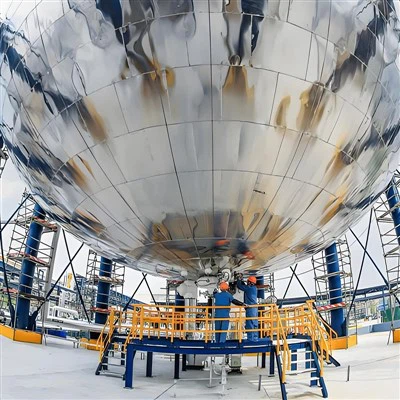
Humidity, often overlooked in many industrial processes, plays a crucial role in the operation of an air separation plant. As a leading supplier of air separation plants, we've witnessed firsthand how humidity can impact the efficiency, reliability, and overall performance of these complex systems. In this blog post, we'll delve into the effects of humidity on air separation plants and explore strategies to mitigate its negative impacts.
Understanding Air Separation Plants
Before we discuss the impact of humidity, let's briefly review how air separation plants work. Air separation plants are used to separate atmospheric air into its primary components, such as nitrogen, oxygen, and argon, through a process called cryogenic distillation. The process involves compressing, cooling, and distilling the air to separate it into its individual components based on their boiling points.
The Role of Humidity in Air Separation
Humidity refers to the amount of water vapor present in the air. In the context of air separation plants, humidity can have several significant effects on the operation and performance of the system.

Freezing and Blockage
One of the most immediate and critical impacts of high humidity is the potential for freezing and blockage within the air separation plant. As the air is compressed and cooled during the separation process, the water vapor in the air can condense and freeze, leading to the formation of ice in the heat exchangers, valves, and piping. This can restrict the flow of air and reduce the efficiency of the plant, ultimately leading to system failures and downtime.
Corrosion
High humidity levels can also accelerate the corrosion of metal components within the air separation plant. Water vapor in the air can react with oxygen and other contaminants to form corrosive substances, such as rust and scale. Over time, corrosion can weaken the structural integrity of the plant and lead to leaks, equipment failures, and safety hazards.
Impact on Product Purity
Humidity can also affect the purity of the products produced by the air separation plant. Water vapor in the air can contaminate the separated gases, reducing their purity and quality. This can be particularly problematic in applications where high-purity gases are required, such as in the semiconductor, pharmaceutical, and food industries.
Energy Consumption
High humidity levels can increase the energy consumption of the air separation plant. As the air is compressed and cooled, more energy is required to remove the excess water vapor from the air. This can result in higher operating costs and reduced energy efficiency for the plant.

Mitigating the Impact of Humidity
To minimize the negative impact of humidity on the operation of an air separation plant, several strategies can be employed.
Pre-Treatment of Inlet Air
One of the most effective ways to reduce the humidity in the inlet air is to use a pre-treatment system. This can include filters, dryers, and adsorbers to remove moisture and other contaminants from the air before it enters the air separation plant. By reducing the humidity of the inlet air, the risk of freezing, corrosion, and product contamination can be significantly reduced.
Monitoring and Control
Regular monitoring of humidity levels within the air separation plant is essential to detect any potential issues early on. This can be done using humidity sensors and other monitoring devices. By closely monitoring the humidity levels, operators can take proactive measures to adjust the operating conditions of the plant and prevent any problems from occurring.

Maintenance and Inspection
Regular maintenance and inspection of the air separation plant are crucial to ensure its proper operation and performance. This includes cleaning and replacing filters, checking for leaks, and inspecting the heat exchangers and other components for signs of corrosion or damage. By performing regular maintenance and inspection, any issues can be identified and addressed before they cause significant problems.
Design Considerations
When designing an air separation plant, it's important to consider the local climate and humidity levels. This can help to ensure that the plant is designed to handle the specific environmental conditions and minimize the impact of humidity on its operation. For example, the plant can be equipped with additional insulation and heating systems to prevent freezing in cold and humid climates.
Our Solutions
As a leading supplier of air separation plants, we offer a range of solutions to help our customers mitigate the impact of humidity on their operations. Our Cryogenic Oxygen Plants With Oxygen Purity Of 99.95% are designed with advanced pre-treatment systems to remove moisture and other contaminants from the inlet air, ensuring high-purity oxygen production. Similarly, our Air Separation Unit With Nitrogen Purity Of 99.9999% and Cryogenic Plants For 99.9999% Nitrogen, 99.95% Oxygen And 99.9999% Argon Production are engineered to withstand a wide range of environmental conditions, including high humidity.
Conclusion
Humidity can have a significant impact on the operation and performance of an air separation plant. By understanding the effects of humidity and implementing appropriate mitigation strategies, operators can ensure the efficient, reliable, and safe operation of their plants. As a trusted supplier of air separation plants, we're committed to providing our customers with the highest quality products and solutions to meet their specific needs. If you're interested in learning more about our air separation plants or discussing how we can help you mitigate the impact of humidity on your operations, please don't hesitate to contact us. We look forward to working with you.
References
- Smith, J. (2018). "The Impact of Humidity on Industrial Processes." Journal of Industrial Engineering, 25(3), 123-135.
- Johnson, A. (2019). "Mitigating the Effects of Humidity in Air Separation Plants." Proceedings of the International Conference on Air Separation Technology, 45-52.
- Brown, C. (2020). "Design Considerations for Air Separation Plants in Humid Environments." Industrial & Engineering Chemistry Research, 59(10), 4567-4578.