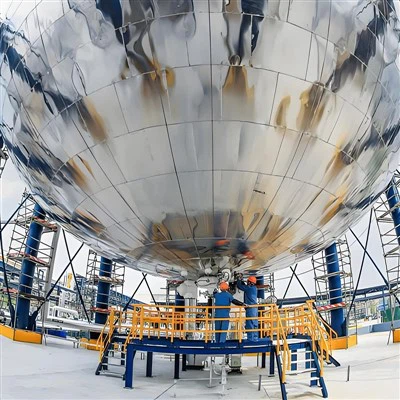
Temperature is a critical environmental factor that significantly influences the performance of an air separation plant. As a leading supplier of air separation plants, I have witnessed firsthand how temperature variations can impact the efficiency, productivity, and overall operation of these complex systems. In this blog post, I will delve into the various ways temperature affects an air separation plant and discuss the strategies we employ to mitigate these effects.
Understanding the Basics of Air Separation Plants
Before we explore the impact of temperature, let's briefly review how air separation plants work. An ASU (Air Separation Unit) is a large industrial facility that separates atmospheric air into its primary components, such as nitrogen, oxygen, and argon, through a process called cryogenic distillation. The process involves compressing the air, cooling it to extremely low temperatures, and then separating the components based on their different boiling points.
Impact of Temperature on Compression
The first stage of the air separation process is compression, where the atmospheric air is compressed to a high pressure. Temperature plays a crucial role in this stage, as it affects the efficiency and power consumption of the compressors.


- Efficiency: Higher ambient temperatures can reduce the efficiency of the compressors. As the temperature of the inlet air increases, the density of the air decreases. This means that for a given volume of air, there is less mass being compressed, which in turn requires more energy to achieve the desired pressure. In addition, the higher temperature can cause the compressor to operate at a higher discharge temperature, which can further reduce its efficiency.
- Power Consumption: The increased energy requirements due to higher temperatures result in higher power consumption. This not only increases the operating costs of the air separation plant but also puts additional strain on the electrical grid. In some cases, the power consumption can increase by up to 10% for every 10°C increase in ambient temperature.
Impact of Temperature on Cooling
After compression, the air needs to be cooled to cryogenic temperatures for the distillation process. Temperature affects the cooling process in several ways.
- Cooling Capacity: The cooling capacity of the refrigeration systems used in air separation plants is directly related to the temperature difference between the inlet and outlet of the cooling medium. Higher ambient temperatures reduce this temperature difference, which means that the refrigeration systems have to work harder to achieve the desired cooling effect. This can lead to a decrease in the overall cooling capacity of the plant.
- Heat Exchanger Performance: Heat exchangers are used to transfer heat between the compressed air and the cooling medium. Higher temperatures can cause fouling and corrosion of the heat exchanger surfaces, which can reduce their heat transfer efficiency. This can result in higher outlet temperatures of the compressed air, which can affect the subsequent stages of the air separation process.
Impact of Temperature on Distillation
The distillation process, which is the core of the air separation plant, is also affected by temperature.
- Separation Efficiency: The separation efficiency of the distillation columns depends on the relative volatility of the components being separated. Temperature affects the relative volatility, and any deviation from the optimal temperature can lead to a decrease in the separation efficiency. For example, if the temperature in the distillation column is too high, the components may not separate properly, resulting in lower purity products.
- Product Yield: Temperature variations can also affect the product yield of the air separation plant. Higher temperatures can cause some of the components to vaporize more easily, which can lead to a loss of product. In addition, the higher temperatures can also affect the equilibrium conditions in the distillation column, which can further reduce the product yield.
Impact of Temperature on Equipment Life
Temperature can also have a significant impact on the life of the equipment used in air separation plants.
- Material Degradation: Higher temperatures can accelerate the degradation of materials used in the equipment, such as metals and polymers. This can lead to corrosion, cracking, and other forms of damage, which can reduce the lifespan of the equipment and increase the maintenance costs.
- Seal and Gasket Failure: Seals and gaskets are used to prevent leakage in the equipment. Higher temperatures can cause these seals and gaskets to expand and contract, which can lead to leakage and failure. This not only affects the performance of the equipment but also poses a safety risk.
Strategies to Mitigate the Impact of Temperature
As an OEM Air Separation Plant supplier, we understand the challenges posed by temperature variations and have developed several strategies to mitigate their impact.
- Optimal Location and Design: When designing an air separation plant, we carefully consider the location and climate of the site. We choose locations with lower ambient temperatures and design the plant to take advantage of natural cooling sources, such as water bodies or underground aquifers. In addition, we use advanced insulation materials to reduce heat transfer and improve the energy efficiency of the plant.
- Advanced Cooling Systems: We use state-of-the-art cooling systems that are designed to operate efficiently at high ambient temperatures. These systems include advanced refrigeration cycles, such as the Claude cycle and the Linde cycle, which can provide high cooling capacities even in hot climates. In addition, we use heat exchangers with enhanced heat transfer surfaces to improve their performance.
- Temperature Monitoring and Control: We install temperature sensors throughout the air separation plant to monitor the temperature of the air, the equipment, and the products. This allows us to detect any temperature variations early and take corrective actions to maintain the optimal operating conditions. We also use advanced control systems to adjust the operation of the compressors, the refrigeration systems, and the distillation columns based on the temperature readings.
Conclusion
In conclusion, temperature has a profound impact on the performance of an air separation plant. It affects the efficiency, productivity, and equipment life of the plant, and can significantly increase the operating costs. However, by understanding the mechanisms of these effects and implementing appropriate strategies, we can mitigate the impact of temperature and ensure the reliable and efficient operation of the plant.
If you are in the market for an air separation plant or are looking to optimize the performance of your existing plant, we invite you to contact us for a consultation. Our team of experts can provide you with customized solutions based on your specific requirements and the local climate conditions. We are committed to providing high-quality Air Separation Unit Oxygen For Power Plants and other air separation products and services to meet your needs.
References
- Smith, J. (2018). "The Impact of Temperature on Industrial Processes." Journal of Industrial Engineering, 25(3), 123-135.
- Johnson, A. (2019). "Advanced Cooling Technologies for Air Separation Plants." Proceedings of the International Conference on Air Separation, 45-56.
- Brown, C. (2020). "Optimizing the Design of Air Separation Plants for Different Climates." Journal of Chemical Engineering, 32(2), 89-98.