Hey there! As a supplier of Cryogenic Equipment, I often get asked about the safety precautions when using this kind of gear. Cryogenic equipment is super useful in a bunch of industries, like healthcare, food processing, and even in some high - tech manufacturing. But it also comes with its own set of risks, so it's crucial to know how to use it safely.
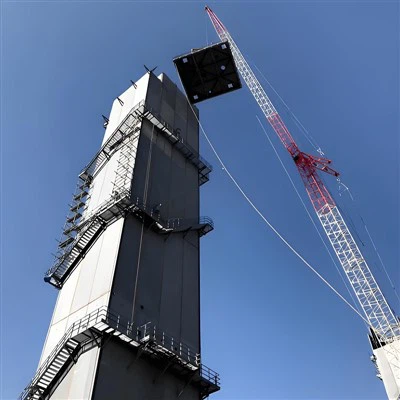
First off, let's talk about what cryogenic equipment actually is. Cryogenic equipment deals with extremely low temperatures, usually below -150°C (-238°F). This includes stuff like Liquid Air Separation Plant, which separates air into its components like nitrogen, oxygen, and argon, and Cryogenic Air Separation Nitrogen systems that produce high - purity nitrogen. You can check out our full range of Cryogenic Equipment on our website.
Personal Protective Equipment (PPE)
One of the most basic yet important safety precautions is wearing the right PPE. When you're working around cryogenic equipment, you're dealing with extremely cold substances. Frostbite is a real risk, and it can happen in a split second. So, you need to wear insulated gloves that are specifically designed for cryogenic work. These gloves should be thick enough to protect your hands from the cold but also allow you to have some dexterity to operate the equipment.
Eye protection is also a must. Safety goggles or face shields can prevent any splashes of cryogenic liquids from getting into your eyes. Cryogenic liquids can cause serious damage to your eyes, even permanent blindness in some cases. And don't forget about proper clothing. Wear long - sleeved shirts and pants made of appropriate materials. Avoid synthetic materials that can melt or catch fire easily. Instead, go for natural fibers or specially treated fabrics that can withstand the cold and potential spills.
Handling and Storage
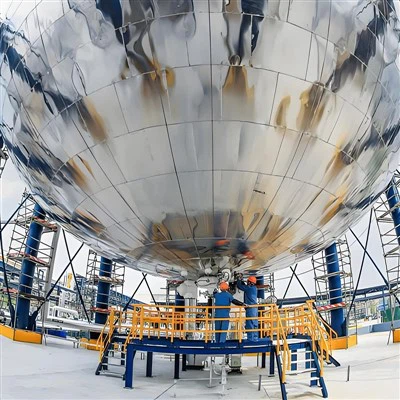
When it comes to handling cryogenic liquids, you need to be extra careful. These liquids are usually stored in special containers called dewars or cryogenic tanks. When moving these containers, use the right equipment. Don't try to lift a heavy cryogenic tank by yourself. Use a forklift or a hoist that's designed for this purpose. Make sure the tank is properly secured during transportation to prevent any accidental spills.
Storage is another crucial aspect. Cryogenic tanks should be stored in well - ventilated areas. This is because cryogenic liquids can evaporate and displace oxygen in the air. If the oxygen level in a confined space drops too low, it can cause asphyxiation. So, always keep an eye on the oxygen levels in the storage area using oxygen sensors. Also, make sure the storage area is away from any sources of heat or flames. Cryogenic liquids are highly flammable in some cases, and heat can cause them to expand rapidly, leading to an explosion.
Ventilation
Proper ventilation is key when using cryogenic equipment. As I mentioned earlier, cryogenic liquids can evaporate and create a hazard by displacing oxygen in the air. In addition to that, some cryogenic substances, like liquid nitrogen, can form a fog when they evaporate. This fog can reduce visibility, which is a safety risk in itself.


Make sure the work area has good natural or mechanical ventilation. If you're working indoors, install exhaust fans to remove any vapors or gases. Also, keep the doors and windows open if possible. If you're using cryogenic equipment in a confined space, you may need to use a forced - air ventilation system to ensure a constant supply of fresh air.
Training and Education
All employees who work with cryogenic equipment should receive proper training. This training should cover everything from the basic principles of cryogenics to the specific safety procedures for the equipment they'll be using. They need to know how to operate the equipment safely, how to handle emergencies, and how to recognize the signs of potential hazards.
Regular refresher courses are also a good idea. Technology and safety standards are always evolving, so it's important to keep your employees up - to - date. You can also provide on - the - job training and have experienced workers mentor new employees. This hands - on approach can help new workers learn the ropes quickly and safely.
Emergency Preparedness
No matter how careful you are, accidents can still happen. That's why it's important to have an emergency plan in place. This plan should include procedures for dealing with spills, leaks, fires, and other emergencies.
For example, if there's a spill of cryogenic liquid, you need to know how to contain it. Use absorbent materials that are designed for cryogenic spills. Don't use water to try to clean up a cryogenic spill, as it can cause the liquid to evaporate more rapidly and create a bigger hazard.
In case of a fire, make sure you have the right fire extinguishers on hand. Cryogenic fires require special extinguishing agents, so regular water - based fire extinguishers won't work. Train your employees on how to use these fire extinguishers properly.
Equipment Inspection and Maintenance
Regular inspection and maintenance of cryogenic equipment are essential for safety. Check the equipment for any signs of damage, such as cracks in the tanks or leaks in the valves. Make sure all the safety features, like pressure relief valves, are working properly.
Follow the manufacturer's recommended maintenance schedule. This may include tasks like cleaning, lubricating, and replacing worn - out parts. If you notice any problems during an inspection, don't try to fix it yourself if you're not qualified. Call a professional technician to handle the repair.
Monitoring and Control
Use monitoring systems to keep an eye on the operation of cryogenic equipment. This can include temperature sensors, pressure sensors, and level sensors. These sensors can alert you if there's any abnormal operation, such as a sudden increase in pressure or a drop in temperature.
You can also use control systems to adjust the operation of the equipment automatically. For example, if the pressure in a cryogenic tank gets too high, the control system can open a pressure relief valve to release the excess pressure. This can prevent a potentially dangerous situation.
Conclusion
Using cryogenic equipment can be a great asset to your business, but it also comes with a lot of responsibilities. By following these safety precautions, you can minimize the risks and ensure a safe working environment. Remember, safety should always be your top priority when working with any kind of equipment, especially cryogenic equipment.
If you're in the market for high - quality cryogenic equipment or have any questions about safety precautions, feel free to reach out to us. We're here to help you make the right choices and ensure that you can use our equipment safely and effectively.
References
- Cryogenic Safety Guidelines by Occupational Safety and Health Administration (OSHA)
- Handbook of Cryogenic Engineering
- Industry - specific safety standards and regulations related to cryogenic equipment use