Carbon capture plants have emerged as a pivotal solution in the global fight against climate change, aiming to mitigate the escalating levels of carbon dioxide in the atmosphere. As a dedicated supplier of carbon capture plants, I've witnessed firsthand the intricate balance between the technological advancements of these facilities and their impact on local ecosystems. This blog post delves into how carbon capture plants interact with local ecosystems during both the construction and operation phases.
Construction Phase: Initial Encounters with Local Ecosystems
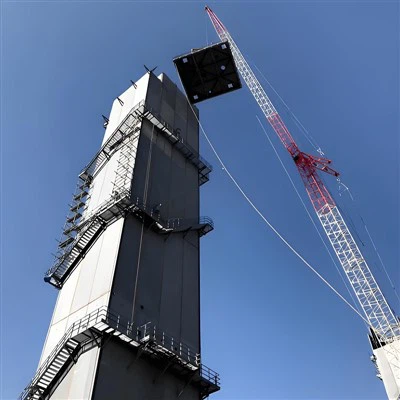
The construction of a carbon capture plant is a significant infrastructure project that inevitably disrupts the local environment. One of the primary concerns during this phase is land use. Large areas of land are often cleared to make way for the plant, its associated buildings, and access roads. This deforestation or removal of natural habitats can have profound effects on local flora and fauna.


For instance, the loss of trees can lead to a decrease in oxygen production and an increase in soil erosion. Trees play a crucial role in maintaining soil stability by holding the soil in place with their roots. Without them, rainwater can wash away the topsoil, which is rich in nutrients and essential for plant growth. This soil erosion can also lead to sedimentation in nearby water bodies, affecting water quality and aquatic life.
In addition to land clearing, the construction process generates a substantial amount of noise and dust. Noise pollution can disrupt the natural behavior of wildlife, causing stress, altering mating and feeding patterns, and even leading to displacement. Animals may abandon their habitats in search of quieter areas, which can disrupt the local food chain. Dust, on the other hand, can settle on plants, reducing their ability to photosynthesize and potentially harming their growth.
However, as a responsible supplier, we are committed to minimizing these negative impacts. We work closely with environmental experts to conduct thorough environmental impact assessments before construction begins. These assessments help identify sensitive areas and species that need to be protected. For example, if a particular area is home to endangered species, we may adjust the construction plans to avoid disturbing their habitats.
We also implement erosion control measures, such as installing silt fences and planting vegetation on exposed soil, to prevent soil erosion. To reduce dust emissions, we use water sprays during construction activities and ensure that construction vehicles are properly maintained to minimize exhaust emissions. By taking these proactive steps, we strive to balance the need for carbon capture infrastructure with the protection of local ecosystems.
Operation Phase: Long - Term Interactions with Local Ecosystems
Once the carbon capture plant is operational, its interactions with the local ecosystem continue, but in different ways. One of the main functions of a carbon capture plant is to capture carbon dioxide emissions from industrial sources, such as Co2 Generation Plant. By reducing the amount of carbon dioxide released into the atmosphere, these plants contribute to mitigating climate change, which has far - reaching benefits for ecosystems worldwide.
On a local scale, the operation of a carbon capture plant can have both positive and negative impacts. For example, some carbon capture technologies involve the use of large amounts of water for cooling purposes. If this water is sourced from local rivers, lakes, or aquifers, it can reduce the water availability for other users, including wildlife and local communities. Moreover, the warm water discharged back into the environment after cooling can cause thermal pollution, which can harm aquatic organisms that are sensitive to temperature changes.
To address these issues, we offer advanced Co2 Air Separation Unit technologies that are designed to be more water - efficient. These units use alternative cooling methods, such as air cooling, which significantly reduces water consumption. Additionally, we implement water treatment systems to ensure that the water discharged from the plant meets strict environmental standards, minimizing the risk of pollution.
Another aspect of the operation phase is the storage of captured carbon dioxide. Most carbon capture plants transport the captured CO2 to underground storage sites, a process known as carbon sequestration. While this is an effective way to keep carbon dioxide out of the atmosphere, there is a potential risk of leakage. If CO2 leaks from the storage site, it can seep into the soil and groundwater, altering the pH levels and potentially harming plant roots and aquatic life.
To mitigate this risk, we use state - of - the - art monitoring systems to continuously monitor the storage sites for any signs of leakage. These systems can detect even small amounts of CO2 leakage and allow us to take immediate action to prevent further damage. We also conduct regular inspections and maintenance of the storage facilities to ensure their integrity.
On the positive side, the operation of a carbon capture plant can create new habitats for some species. For example, the areas around the plant that are not directly used for industrial activities can be landscaped and restored to create green spaces. These green spaces can provide habitat for birds, insects, and small mammals, enhancing biodiversity in the area.
Positive Synergies between Carbon Capture Plants and Local Ecosystems
Despite the potential challenges, there are also opportunities for positive synergies between carbon capture plants and local ecosystems. For instance, some carbon capture technologies can be integrated with agricultural practices. The captured carbon dioxide can be used to enrich the soil in nearby farms, promoting plant growth and increasing crop yields. This not only helps to offset the carbon footprint of the agricultural sector but also provides economic benefits to local farmers.
Moreover, carbon capture plants can serve as educational and research centers. They can attract students, researchers, and environmental enthusiasts, who can learn about carbon capture technology and its role in climate change mitigation. These educational initiatives can raise awareness about the importance of protecting the environment and inspire future generations to take action.
Conclusion and Call to Action
In conclusion, the construction and operation of carbon capture plants have complex interactions with local ecosystems. While there are potential negative impacts, such as land clearing, noise and dust pollution during construction, and water consumption and potential CO2 leakage during operation, there are also opportunities for positive change.
As a leading supplier of Carbon Removal Plant, we are committed to developing and implementing sustainable solutions that minimize the negative impacts on local ecosystems while maximizing the benefits of carbon capture technology. We believe that by working together with environmental experts, local communities, and other stakeholders, we can create a future where carbon capture infrastructure coexists harmoniously with nature.
If you are interested in learning more about our carbon capture plants and how they can be tailored to your specific needs while ensuring environmental sustainability, we invite you to contact us for a procurement discussion. Our team of experts is ready to provide you with detailed information and support throughout the procurement process.
References
- IPCC. (2018). Special Report on Global Warming of 1.5°C.
- UNEP. (2020). Emissions Gap Report 2020.
- World Bank. (2019). Climate Change Action Plan 2021 - 2025.