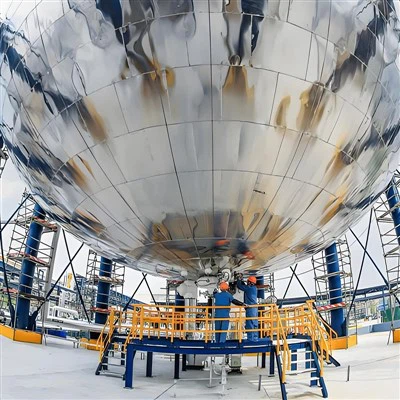
Carbon capture plants play a pivotal role in the global effort to mitigate climate change by removing carbon dioxide (CO2) from the atmosphere or industrial emissions. As a leading supplier of [Carbon Capture Plant]((/co2-plant/carbon-dioxide-recovery-plant/carbon-capture-plant.html), I've witnessed firsthand the intricate relationship between these plants and the water cycle. This blog will delve into how carbon capture plants interact with the water cycle, exploring the implications and potential solutions.
The Basics of Carbon Capture Plants
Before we dive into the water cycle interaction, let's briefly understand what carbon capture plants are. These facilities are designed to capture CO2 emissions from large point sources such as power plants, industrial factories, or directly from the air. There are three main types of carbon capture technologies: post-combustion capture, pre-combustion capture, and oxy-fuel combustion. Each method has its own set of processes and requirements, but the ultimate goal is to prevent CO2 from being released into the atmosphere.
- Post-combustion capture: This technology captures CO2 after the fossil fuel has been burned. It typically involves using a chemical solvent to absorb the CO2 from the flue gas.
- Pre-combustion capture: In this process, the fossil fuel is converted into a mixture of hydrogen and CO2 before combustion. The CO2 is then separated and captured.
- Oxy-fuel combustion: This method burns the fossil fuel in pure oxygen instead of air, producing a flue gas that is mostly CO2 and water vapor. The CO2 can then be easily captured and separated.
Interaction with the Water Cycle
The water cycle, also known as the hydrologic cycle, is a continuous process that describes the movement of water on, above, and below the surface of the Earth. Carbon capture plants interact with the water cycle in several ways, both directly and indirectly.
Direct Water Consumption
One of the most significant ways carbon capture plants interact with the water cycle is through direct water consumption. Many carbon capture technologies, such as post-combustion capture using chemical solvents, require large amounts of water for cooling and solvent regeneration. Cooling is necessary to maintain the efficiency of the capture process, while solvent regeneration involves heating the solvent to release the captured CO2 and prepare it for reuse.
The amount of water consumed by a carbon capture plant depends on several factors, including the type of capture technology, the size of the plant, and the local climate. For example, a large-scale post-combustion capture plant can consume millions of gallons of water per day. This high water demand can put pressure on local water resources, especially in regions that are already water-stressed.
Water Quality Impacts
In addition to water consumption, carbon capture plants can also have an impact on water quality. The chemical solvents used in some capture technologies can be toxic and corrosive, and if not properly managed, they can contaminate nearby water sources. For example, some solvents may contain heavy metals or other pollutants that can harm aquatic life and human health.
Furthermore, the process of capturing CO2 can also produce waste products that need to be disposed of. These waste products may contain residual solvents, CO2, or other contaminants, and if not disposed of properly, they can leach into the soil and groundwater, affecting water quality.
Indirect Effects on the Water Cycle
Carbon capture plants can also have indirect effects on the water cycle by reducing greenhouse gas emissions. By capturing and storing CO2, these plants help to mitigate climate change, which in turn can have a positive impact on the water cycle. Climate change is expected to alter precipitation patterns, increase the frequency and intensity of extreme weather events, and cause sea-level rise, all of which can have significant impacts on water resources.
By reducing CO2 emissions, carbon capture plants can help to slow down the rate of climate change and reduce the severity of these impacts. For example, by reducing the frequency and intensity of droughts and floods, carbon capture plants can help to maintain the balance of the water cycle and ensure the availability of clean water for human and ecological needs.

Mitigating the Impacts
To minimize the negative impacts of carbon capture plants on the water cycle, several strategies can be implemented.
Water Conservation Measures
One of the most effective ways to reduce water consumption in carbon capture plants is to implement water conservation measures. This can include using advanced cooling technologies, such as dry cooling systems, which use little or no water for cooling. Dry cooling systems work by transferring heat from the process fluid to the ambient air without the need for evaporation. While dry cooling systems can be more expensive to install and operate than traditional wet cooling systems, they can significantly reduce water consumption.
Another water conservation measure is to recycle and reuse water within the plant. For example, the water used for cooling can be treated and reused for other processes, such as solvent regeneration or scrubbing. By recycling and reusing water, carbon capture plants can reduce their overall water demand and minimize their impact on local water resources.
Waste Management and Treatment
Proper waste management and treatment are essential to prevent the contamination of water sources by carbon capture plants. This can include implementing strict waste disposal regulations, treating waste products before disposal, and monitoring the quality of water sources near the plant.
For example, the chemical solvents used in carbon capture technologies can be treated to remove any contaminants before they are disposed of. This can involve using advanced treatment processes, such as reverse osmosis or ion exchange, to remove heavy metals and other pollutants from the solvents. Additionally, the waste products generated by the capture process can be stored in secure landfills or treated to reduce their environmental impact.
Collaboration and Integration
To effectively manage the interaction between carbon capture plants and the water cycle, collaboration and integration between different stakeholders are essential. This can include collaboration between the carbon capture industry, water resource managers, policymakers, and local communities.
For example, the carbon capture industry can work with water resource managers to develop water management plans that take into account the water needs of the plants and the availability of local water resources. Additionally, policymakers can play a role in developing regulations and incentives to encourage the adoption of water-efficient technologies and practices in the carbon capture industry.
Conclusion
As a supplier of [Carbon Capture Plant]((/co2-plant/carbon-dioxide-recovery-plant/carbon-capture-plant.html), I understand the importance of minimizing the environmental impact of these facilities, especially on the water cycle. While carbon capture plants have the potential to play a significant role in mitigating climate change, it is crucial to ensure that they are designed and operated in a way that minimizes their water consumption and protects water quality.

By implementing water conservation measures, proper waste management and treatment, and promoting collaboration and integration between different stakeholders, we can ensure that carbon capture plants can coexist with the water cycle in a sustainable manner.
If you are interested in learning more about our [Carbon Capture Plant]((/co2-plant/carbon-dioxide-recovery-plant/carbon-capture-plant.html) or [Carbon Removal Plant]((/co2-plant/carbon-dioxide-recovery-plant/carbon-removal-plant.html) or [Carbon Dioxide Manufacturing Plant]((/co2-plant/carbon-dioxide-recovery-plant/carbon-dioxide-manufacturing-plant.html), or if you have any questions about how these plants interact with the water cycle, please feel free to contact us for a procurement discussion. We are committed to providing high-quality, sustainable solutions that meet your needs.
References
- IPCC. (2014). Climate Change 2014: Mitigation of Climate Change. Contribution of Working Group III to the Fifth Assessment Report of the Intergovernmental Panel on Climate Change. Cambridge University Press.
- NETL. (2019). Carbon Capture Technologies. National Energy Technology Laboratory.
- World Bank. (2018). Water and Climate Change. World Bank Group.