Hey there! I'm a supplier for a Carbon Dioxide Factory, and I'm super stoked to take you on a journey through how these places work. Carbon dioxide, or CO2 as we usually call it, is a gas that gets a lot of attention these days, mostly because of its role in climate change. But did you know that CO2 also has tons of uses in industries like food and beverage, welding, and even in fire extinguishers? That's where our Carbon Dioxide Factory comes in.
How We Get the CO2
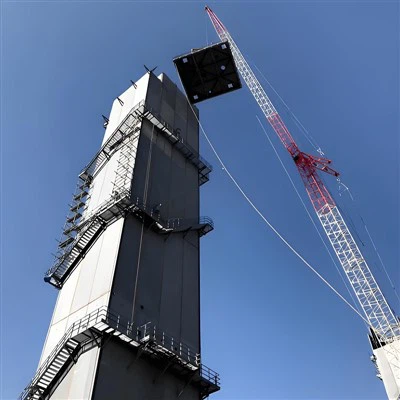
First off, let's talk about where we source the CO2. There are a few different ways we can get it. One common method is to capture it from industrial processes. Many big factories, like power plants and cement factories, produce a ton of CO2 as a by - product. We have these amazing Carbon Capture Plant setups that are designed to trap this CO2 before it gets released into the atmosphere. These plants use special chemical solvents that can absorb the CO2 from the industrial exhaust gases.
Another way is through direct air capture. It's a bit more high - tech and still in the early stages of widespread adoption. With direct air capture, we use giant fans to suck in air and pass it through filters that can grab the CO2 molecules. This is a Carbon Removal Plant in action. It's a pretty cool technology because it can actually reduce the amount of CO2 in the atmosphere, not just prevent new emissions.
The Purification Process
Once we've captured the CO2, it's far from being ready to be sold. The captured CO2 is usually mixed with other gases and impurities. So, we have to purify it. The first step in purification is often compression. We use big compressors to squeeze the gas into a smaller volume. This makes it easier to work with and also helps separate some of the heavier impurities.


After compression, we move on to a process called distillation. In a distillation column, the compressed CO2 is heated up. Different gases have different boiling points, so as the temperature rises, the impurities start to vaporize and separate from the CO2. We can then collect the pure CO2 at the bottom of the column.
We also use activated carbon filters to remove any remaining trace impurities. These filters are like super - sponges that can soak up small molecules of things like sulfur compounds and volatile organic compounds. This ensures that the CO2 we produce is of the highest quality.
Storage and Transportation
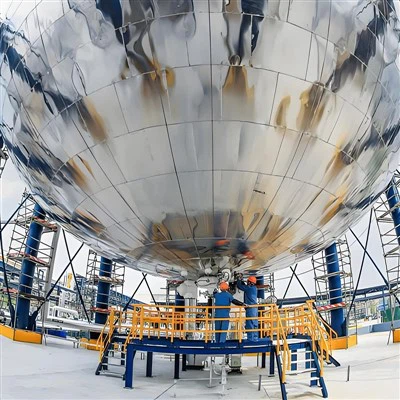
Once the CO2 is purified, we need to store it. We usually store it in large tanks as a liquid. CO2 turns into a liquid when it's compressed and cooled to a certain temperature. Liquid CO2 takes up much less space than gaseous CO2, which makes it easier to store and transport.
For transportation, we use special trucks and tankers that are designed to keep the CO2 in its liquid state. These vehicles have insulation and cooling systems to maintain the right temperature and pressure. Sometimes, we also use pipelines to transport CO2 over longer distances, especially if there's a high - demand area nearby.
Quality Control
Quality control is a big deal in our Carbon Dioxide Factory. We have a team of experts who are constantly monitoring the production process. They take samples at different stages of production and test them for purity, moisture content, and other important parameters.
We use advanced analytical equipment like gas chromatographs and infrared analyzers to check the quality of the CO2. These machines can detect even the tiniest amounts of impurities. If the CO2 doesn't meet our strict quality standards, we send it back through the purification process until it does.
Applications of Our CO2
The CO2 we produce has a wide range of applications. In the food and beverage industry, it's used to carbonate drinks like soda and beer. The fizzy bubbles in your favorite soda are actually CO2. It's also used in the freezing and cooling of food products. Liquid CO2 can be sprayed on food to quickly freeze it, which helps preserve its freshness.
In the welding industry, CO2 is used as a shielding gas. When you're welding, you need to protect the molten metal from the oxygen in the air, otherwise, it can oxidize and weaken the weld. CO2 creates a protective layer around the weld, ensuring a strong and clean joint.
In the medical field, CO2 is used in laparoscopic surgeries. It's used to inflate the abdominal cavity, giving surgeons more space to work and a better view of the internal organs.
Why Choose Our Carbon Dioxide Factory
There are a few reasons why you should consider us as your CO2 supplier. First of all, our commitment to quality is top - notch. We go through all these rigorous purification and quality control steps to make sure you get the purest CO2 possible.
Secondly, we're environmentally friendly. By capturing CO2 from industrial processes and the air, we're helping to reduce greenhouse gas emissions. We're part of the solution to climate change, not the problem.
Finally, we have a great track record of reliable supply. We know how important it is for your business to have a steady supply of CO2, and we've got the infrastructure and expertise to make sure that happens.
If you're in the market for high - quality CO2 for your business, whether it's for food and beverage, welding, or any other application, I'd love to talk to you. Just reach out, and we can start a conversation about your needs and how we can meet them.
References
- "Carbon Capture and Storage: Technologies and Applications" by X. Zhang
- "Industrial Gases: Production, Properties, and Applications" by Y. Li
So, that's a wrap on how our Carbon Dioxide Factory works. I hope you found it interesting and informative. If you have any questions or want to learn more, don't hesitate to get in touch!