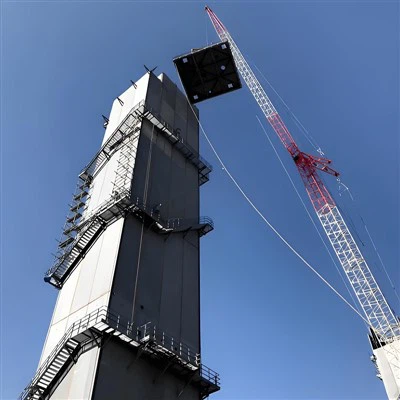
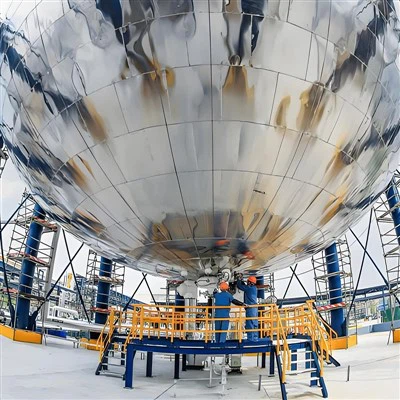
Choosing the right location for a Liquid Co2 Plant is a critical decision that can significantly impact the plant's operational efficiency, cost - effectiveness, and long - term success. As a Liquid Co2 Plant supplier, I have witnessed firsthand how the wrong location can lead to increased costs, regulatory challenges, and logistical nightmares. In this blog, I will share some key factors to consider when selecting a location for a Liquid Co2 Plant.
Availability of Feedstock
The first and most crucial factor is the availability of carbon dioxide feedstock. Liquid Co2 plants require a reliable and consistent source of CO2 to operate efficiently. There are several potential sources of CO2 feedstock, including industrial processes such as power generation, cement production, and chemical manufacturing.
For instance, power plants that burn fossil fuels produce large amounts of CO2 as a by - product. If your plant is located near a coal - fired or natural gas - fired power plant, you can tap into this readily available source of CO2. Similarly, cement plants emit significant quantities of CO2 during the calcination process. By situating your Liquid Co2 Plant close to a cement plant, you can ensure a stable supply of feedstock.
It's also important to consider the quality of the feedstock. Some industrial processes may produce CO2 that contains impurities such as sulfur dioxide, nitrogen oxides, and particulate matter. These impurities can affect the efficiency of the CO2 recovery and liquefaction process and may require additional treatment steps. Therefore, it's advisable to conduct a detailed analysis of the feedstock quality before finalizing the location. You can find more information about CO2 recovery and liquefaction processes on our CO 2 Recovery and Liquefaction Plants page.
Proximity to Markets
Another important consideration is the proximity to the target markets. Liquid CO2 has a wide range of applications, including food and beverage carbonation, fire extinguishers, and enhanced oil recovery. By locating your plant near these markets, you can reduce transportation costs and improve the responsiveness to customer demand.


For example, if your primary market is the food and beverage industry, it makes sense to locate your plant near major population centers or food processing hubs. This way, you can minimize the time and cost associated with transporting the liquid CO2 to the end - users. Similarly, if you plan to supply CO2 for enhanced oil recovery, your plant should be located near oil fields to reduce the transportation distance.
In addition to reducing transportation costs, being close to the markets also allows you to build stronger relationships with your customers. You can provide more personalized service, respond quickly to their needs, and gain valuable insights into the market trends. For more details about our Liquid CO2 Refinery Plant and its suitability for different markets, visit our website.
Infrastructure and Utilities
The availability of infrastructure and utilities is another key factor in choosing the location for a Liquid Co2 Plant. The plant requires a reliable supply of electricity, water, and transportation facilities.
Electricity is essential for powering the various equipment in the plant, including compressors, pumps, and refrigeration systems. Therefore, it's important to ensure that the location has access to a stable and affordable electricity supply. You may also want to consider the potential for using renewable energy sources, such as solar or wind power, to reduce your carbon footprint and operating costs.
Water is used in the cooling process of the plant. A sufficient and clean water source is necessary to maintain the efficiency of the cooling systems. The location should have access to a reliable water supply, either from a nearby river, lake, or groundwater source.
Transportation infrastructure is also crucial for the smooth operation of the plant. The plant needs to be connected to major roads, railways, or ports to facilitate the transportation of feedstock and finished products. Good transportation links can reduce the time and cost of moving materials in and out of the plant.
Regulatory Environment
The regulatory environment in the chosen location can have a significant impact on the development and operation of the Liquid Co2 Plant. Different regions have different regulations regarding environmental protection, safety, and permitting.
Before selecting a location, it's important to research and understand the local regulations. You need to ensure that your plant can comply with all the environmental standards, such as emissions limits and waste management requirements. Obtaining the necessary permits and approvals can be a time - consuming and complex process, so it's advisable to engage with the local regulatory authorities early in the planning stage.
Some regions may offer incentives or support for the development of clean energy projects, including Liquid Co2 Plants. These incentives can include tax breaks, grants, or low - interest loans. By choosing a location with a favorable regulatory environment, you can reduce the financial burden and accelerate the project implementation.
Land Availability and Cost
The availability and cost of land are practical considerations when choosing a location for the Liquid Co2 Plant. The plant requires a certain amount of land for the installation of equipment, storage facilities, and administrative buildings.
You need to find a suitable piece of land that meets the technical requirements of the plant, such as flat terrain, proper drainage, and sufficient space for future expansion. The land should also be zoned for industrial use to avoid any legal issues.
In addition to the land availability, the cost of land is also an important factor. The land price can vary significantly depending on the location, size, and proximity to major infrastructure. You need to balance the cost of land with other factors, such as the availability of feedstock and proximity to markets, to make a cost - effective decision.
Climate and Weather Conditions
Climate and weather conditions can affect the operation of the Liquid Co2 Plant. Extreme temperatures, high humidity, or severe weather events can impact the performance of the equipment and the efficiency of the liquefaction process.
For example, in regions with very cold climates, the plant may need additional insulation and heating systems to prevent the CO2 from freezing. In areas with high humidity, corrosion of the equipment may be a concern. Therefore, it's important to consider the local climate and weather conditions and design the plant accordingly.
Community and Social Factors
The relationship with the local community is also an important aspect of choosing a location for the Liquid Co2 Plant. You need to consider the potential impact of the plant on the local environment, economy, and community.
Engaging with the local community early in the planning process can help you address any concerns and build a positive relationship. You can organize public meetings, provide information about the project, and listen to the feedback from the community members. By involving the community in the decision - making process, you can increase the acceptance of the project and avoid potential conflicts.
In addition, the plant can also contribute to the local economy by creating jobs, generating tax revenue, and supporting local businesses. You can highlight these benefits to the community to gain their support.
Conclusion
Choosing the right location for a Liquid Co2 Plant is a complex decision that requires careful consideration of multiple factors. As a Liquid Co2 Plant supplier, we understand the importance of making the right choice. By evaluating the availability of feedstock, proximity to markets, infrastructure and utilities, regulatory environment, land availability and cost, climate and weather conditions, and community and social factors, you can select a location that maximizes the efficiency and profitability of your plant.
If you are interested in learning more about our Liquid Co2 Plant or have any questions regarding the location selection process, we encourage you to contact us for further discussion. We are committed to providing high - quality solutions and support to help you succeed in your Liquid Co2 Plant project.
References
- "Handbook of Carbon Dioxide Utilization", Edited by Gabriele Centi and Siglinda Perathoner.
- "Industrial Carbon Dioxide Recovery and Purification", Various industry reports and research papers.
- Local government regulations and environmental guidelines for industrial projects.