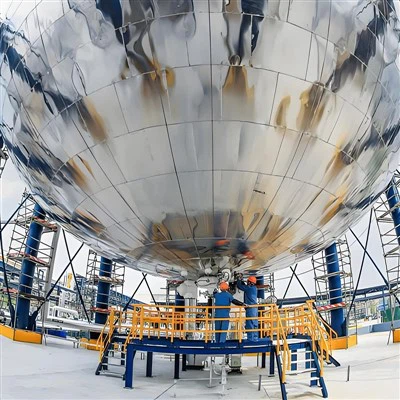
How to Choose an Oxygen Plant
When it comes to industries that rely on a consistent and reliable supply of oxygen, such as steel manufacturing, chemical processing, and medical facilities, choosing the right oxygen plant is crucial. As a trusted oxygen plant supplier, I understand the challenges and considerations that go into this decision. In this blog post, I'll share some key factors to help you make an informed choice.
1. Production Capacity
The first and perhaps most important factor to consider is the production capacity of the oxygen plant. You need to determine how much oxygen your operation requires on a daily, weekly, or monthly basis. This calculation should take into account your current production levels as well as any anticipated growth in the future. For example, a large steel mill will have significantly higher oxygen demands compared to a small dental clinic.
It's essential to choose an oxygen plant that can meet your peak demand without over - or under - sizing. An oversized plant can lead to unnecessary capital expenditure and higher operating costs, while an undersized plant may not be able to keep up with your production needs, resulting in production bottlenecks.
2. Purity Requirements
The purity of oxygen varies depending on its intended use. In the medical field, for instance, oxygen must meet strict purity standards to ensure patient safety. Typically, medical oxygen needs to be at least 99% pure. On the other hand, some industrial processes may require lower purity levels.
When selecting an oxygen plant, make sure it can produce oxygen at the required purity level. Different technologies are available to achieve varying degrees of purity. For example, pressure swing adsorption (PSA) plants are commonly used for producing oxygen with a purity of around 90 - 95%, while cryogenic distillation plants can produce oxygen with a purity of up to 99.5% or higher.
3. Technology and Efficiency
There are several technologies available for oxygen production, each with its own advantages and disadvantages.
Pressure Swing Adsorption (PSA): PSA plants are relatively simple and cost - effective for small to medium - scale oxygen production. They work by adsorbing nitrogen from the air on a molecular sieve under pressure and then releasing it when the pressure is reduced. PSA plants are known for their quick startup times and relatively low energy consumption. However, they may not be suitable for applications that require very high purity oxygen.
Cryogenic Distillation: Cryogenic distillation is a more complex and capital - intensive technology but is capable of producing high - purity oxygen. It involves cooling the air to extremely low temperatures and separating its components based on their boiling points. Cryogenic plants are often used in large - scale industrial applications where high - purity oxygen is required. They have higher energy requirements compared to PSA plants but can be more efficient in the long run for high - volume production.
Membrane Separation: Membrane separation plants use a semi - permeable membrane to separate oxygen from nitrogen in the air. They are relatively compact and have low maintenance requirements. However, the purity of oxygen produced by membrane separation is generally lower than that of PSA and cryogenic plants, typically around 30 - 40%.
When choosing an oxygen plant, consider the technology that best suits your production needs, budget, and long - term goals. Look for a plant that offers high energy efficiency to reduce operating costs over time.

4. Reliability and Maintenance
Reliability is of utmost importance in any industrial equipment. An oxygen plant that breaks down frequently can cause significant disruptions to your production process. When evaluating potential suppliers, ask about the reliability of their plants. Look for suppliers with a proven track record of providing reliable equipment and excellent after - sales service.
Maintenance requirements are also a key consideration. Some oxygen plants may require more frequent maintenance and replacement of parts than others. A well - designed plant should have easy access to components for maintenance and repair. It's also important to consider the availability of spare parts and the cost of maintenance when making your decision.
5. Safety Features
Oxygen is a highly reactive gas, and proper safety measures must be in place when handling and storing it. A good oxygen plant should be equipped with a range of safety features, such as pressure relief valves, temperature sensors, and fire suppression systems.
The plant should also comply with all relevant safety standards and regulations. When choosing a supplier, ensure that they have a strong commitment to safety and can provide detailed information about the safety features of their oxygen plants.
6. Cost
Cost is always a significant factor in any purchasing decision. When comparing oxygen plants, consider not only the initial purchase price but also the operating costs, including energy consumption, maintenance costs, and the cost of spare parts.
A lower - priced plant may seem like a good deal initially, but if it has high operating costs or requires frequent repairs, it may end up being more expensive in the long run. On the other hand, a high - end plant with advanced features and technology may have a higher upfront cost but could offer significant savings in terms of energy efficiency and reliability over its lifespan.
7. Environmental Impact
In today's environmentally conscious world, it's important to consider the environmental impact of your oxygen plant. Some oxygen production technologies, such as cryogenic distillation, have higher energy requirements and may produce more greenhouse gas emissions compared to others.
Look for oxygen plants that are designed to be energy - efficient and have a lower environmental footprint. Some modern PSA plants, for example, are designed with advanced control systems that optimize energy consumption and reduce emissions.
8. Supplier Reputation and Support
Finally, the reputation of the supplier is a critical factor. Choose a supplier with a good reputation in the industry, one that has been in business for a long time and has a history of providing high - quality products and excellent customer service.
A reliable supplier should be able to offer comprehensive support, including installation, training, and after - sales service. They should also be able to provide technical expertise and advice to help you choose the right oxygen plant for your specific needs.
At our company, we are committed to providing high - quality oxygen plants that meet the diverse needs of our customers. Our plants are designed with the latest technology and safety features, and we offer comprehensive support throughout the entire lifecycle of the plant. Whether you need a small PSA plant for a medical clinic or a large cryogenic plant for an industrial complex, we have the expertise and experience to help you make the right choice.
If you're in the market for an oxygen plant and want to learn more about our products and services, we encourage you to contact us. Our team of experts will be happy to answer your questions and guide you through the selection process.
In addition, if you're interested in related technologies, you can also explore our LNG Process Plant for more information on natural gas processing solutions.
References
- Perry, R. H., & Green, D. W. (Eds.). (2008). Perry's Chemical Engineers' Handbook. McGraw - Hill.
- Schweitzer, P. A. (Ed.). (2006). Handbook of Separation Techniques for Chemical Engineers. McGraw - Hill.
- Kohl, A. L., & Nielsen, R. B. (1997). Gas Purification. Gulf Publishing Company.