Hey there! As a supplier of cryogenic ASU (Air Separation Unit), I've had my fair share of experiences in designing the installation space for these bad boys. It's not just about plopping the equipment down and calling it a day. There are a whole bunch of factors to consider to make sure everything runs smoothly and safely. So, let's dive into how to design the installation space for cryogenic ASU.
Location, Location, Location
First things first, you gotta pick the right spot. The location of your cryogenic ASU installation can have a huge impact on its performance and maintenance. You want to choose a place that's away from any potential sources of contamination, like industrial areas with high levels of dust or chemical emissions. A clean environment helps to keep the air intake pure, which is crucial for the efficiency of the ASU.
Also, think about accessibility. You'll need easy access for delivery trucks to bring in the equipment and supplies, as well as for maintenance crews to get in and out. Make sure there's enough space around the installation for trucks to maneuver safely. And don't forget about emergency access. In case of an emergency, you want to be able to get emergency responders to the site quickly.
Another important aspect is the proximity to utilities. Your cryogenic ASU will need a reliable supply of electricity, water, and sometimes steam. Try to locate the installation as close as possible to these utility sources to minimize the length of the supply lines. This not only reduces costs but also improves the efficiency of the system.
Space Requirements
Now, let's talk about the actual space needed for the cryogenic ASU. The size of the installation will depend on the capacity of the ASU and the specific configuration of the equipment. Generally, you'll need a large, open area to accommodate the main components of the ASU, such as the air compressor, heat exchanger, distillation column, and storage tanks.
The air compressor is usually one of the largest and heaviest pieces of equipment. It needs enough space for proper ventilation and maintenance. Make sure there's at least a few feet of clearance around the compressor to allow for easy access to the controls and maintenance hatches.
The heat exchanger is another critical component. It's responsible for cooling the compressed air to cryogenic temperatures. You'll need to provide enough space for the heat exchanger to be installed and for the necessary piping and valves to be connected.
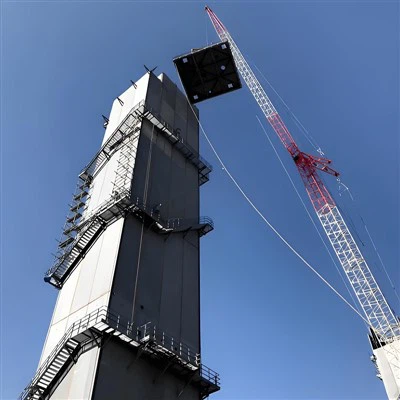
The distillation column is where the magic happens. It separates the air into its components, such as nitrogen, oxygen, and argon. The column can be quite tall, so you'll need a high-ceilinged area to accommodate it. Make sure there's enough headroom for the column to be installed and for any future maintenance or upgrades.
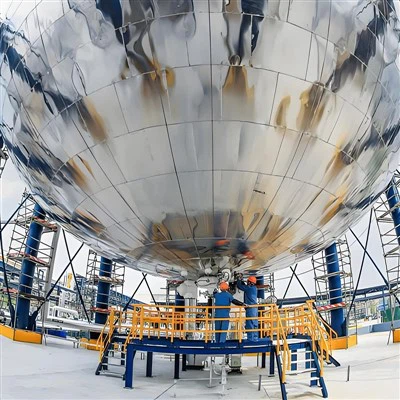
Finally, you'll need space for the storage tanks. These tanks store the separated gases and liquids. They come in various sizes and shapes, depending on the capacity of the ASU. Make sure there's enough space around the tanks for safety reasons, such as fire protection and access for filling and emptying.
Safety Considerations
Safety is always a top priority when it comes to cryogenic ASU installations. Cryogenic temperatures can be extremely dangerous, and the gases produced by the ASU, such as oxygen and nitrogen, can be hazardous if not handled properly.
One of the most important safety features is proper ventilation. The ASU produces a lot of heat and can release small amounts of gases into the air. You'll need to install a ventilation system that can effectively remove these gases and maintain a safe working environment. Make sure the ventilation system is designed to handle the specific requirements of the ASU and that it meets all relevant safety standards.
Another safety consideration is the use of proper insulation. Cryogenic equipment operates at very low temperatures, and insulation helps to prevent heat transfer and keep the equipment cold. Make sure all cryogenic components are properly insulated to prevent frostbite and other cold-related injuries.
You'll also need to install safety barriers and warning signs around the installation. These barriers help to prevent unauthorized access to the equipment and protect workers from potential hazards. Warning signs should clearly indicate the presence of cryogenic equipment and the associated risks.
Layout Design
Once you've determined the location, space requirements, and safety considerations, it's time to design the layout of the installation. A well-designed layout can improve the efficiency of the ASU and make it easier to operate and maintain.
Start by creating a detailed floor plan of the installation area. Mark the locations of all the major components, such as the air compressor, heat exchanger, distillation column, and storage tanks. Make sure there's enough space between the components for easy access and maintenance.
Next, consider the flow of materials and gases through the system. The layout should be designed to minimize the distance that the air, gases, and liquids need to travel. This helps to reduce pressure drops and improve the efficiency of the system.
You'll also need to think about the location of the control room. The control room should be located in a safe and accessible area, away from the main equipment. It should have a clear view of the installation area and be equipped with all the necessary controls and monitoring systems.


Integration with Existing Systems
If you're installing a cryogenic ASU in an existing facility, you'll need to consider how it will integrate with the existing systems. This includes the electrical, water, and steam systems, as well as any other processes or equipment in the facility.
Make sure the electrical system can handle the additional load of the ASU. You may need to upgrade the electrical service or install a new transformer to provide enough power. The water and steam systems should also be checked to ensure they can supply the necessary amounts of water and steam to the ASU.
You'll also need to consider how the ASU will interface with the existing processes or equipment in the facility. For example, if the ASU is producing oxygen for use in a combustion process, you'll need to make sure the oxygen can be safely and efficiently delivered to the process.
Future Expansion
Finally, it's always a good idea to plan for future expansion when designing the installation space for a cryogenic ASU. As your business grows, you may need to increase the capacity of the ASU or add additional equipment.
When designing the layout, make sure there's enough space for future expansion. This may mean leaving some areas of the installation area open or designing the layout in a modular way that allows for easy expansion.
You'll also need to consider the future availability of utilities. Make sure the utility connections are designed to accommodate future growth. For example, if you think you may need to increase the capacity of the ASU in the future, make sure the electrical service and water supply can be easily upgraded.
In conclusion, designing the installation space for a cryogenic ASU is a complex process that requires careful planning and consideration. By choosing the right location, providing enough space, ensuring safety, designing a well-thought-out layout, integrating with existing systems, and planning for future expansion, you can create an installation that is efficient, reliable, and safe.
If you're interested in learning more about cryogenic ASU or are considering purchasing one for your business, I'd love to chat. You can find more information about our Cryogenic Air Separation Nitrogen, Cryogenic Air Separation Unit, and Liquid Air Separation Plant on our website. Don't hesitate to reach out for a consultation and let's discuss how we can meet your specific needs.
References
- Perry, R. H., & Green, D. W. (1997). Perry's Chemical Engineers' Handbook. McGraw-Hill.
- Kohl, A. L., & Nielsen, R. B. (1997). Gas Purification. Gulf Publishing Company.
- Schweitzer, P. A. (1998). Handbook of Separation Techniques for Chemical Engineers. McGraw-Hill.