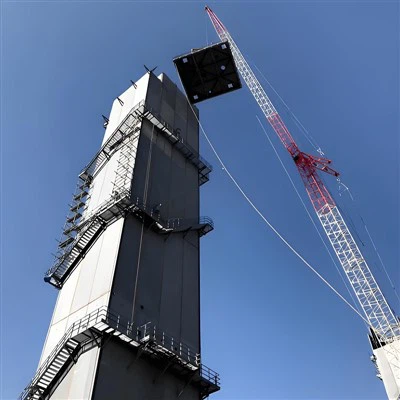
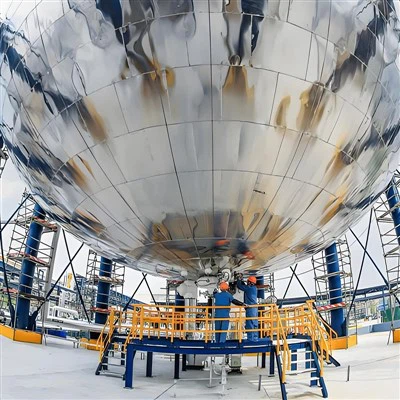
Ensuring the stable operation of an air separation plant is crucial for industries that rely on the production of oxygen, nitrogen, and argon. As a trusted air separation plant supplier, we understand the challenges and complexities involved in maintaining consistent performance. In this blog post, we will explore the key factors and best practices to ensure the stable operation of an air separation plant.
1. Pre - installation Considerations
Before the installation of an air separation plant, thorough planning is essential. Firstly, the site selection should take into account environmental factors. The plant should be located in an area with clean air, away from sources of pollution such as chemical plants, steel mills, and areas with high dust concentrations. Polluted air can cause fouling of the heat exchangers and adsorbers in the air separation plant, reducing their efficiency and potentially leading to equipment failure.
Secondly, proper foundation design is critical. The air separation plant contains heavy equipment such as compressors, turbines, and distillation columns. A well - designed foundation can prevent equipment vibration and misalignment, which are major causes of unstable operation. The foundation should be able to withstand the weight of the equipment and any dynamic loads generated during operation.
2. Equipment Selection and Quality
Selecting high - quality equipment is the cornerstone of a stable - operating air separation plant. The main components of an air separation plant include air compressors, air pre - treatment systems, distillation columns, and refrigeration systems.
- Air Compressors: The air compressor is responsible for compressing the incoming air to the required pressure. High - efficiency and reliable compressors with advanced control systems can ensure a stable air supply. We offer a range of air compressors that are designed for long - term, continuous operation with low maintenance requirements.
- Air Pre - treatment Systems: These systems are used to remove impurities such as water, carbon dioxide, and hydrocarbons from the incoming air. Adsorption dryers and filters are commonly used in air pre - treatment. High - quality adsorbents and filters can effectively remove impurities, protecting the downstream equipment from damage.
- Distillation Columns: The distillation columns are the heart of the air separation plant, where the separation of oxygen, nitrogen, and argon takes place. Well - designed distillation columns with high - efficiency trays or packing materials can ensure high - purity product separation. Our distillation columns are engineered using advanced technologies to achieve optimal separation performance.
- Refrigeration Systems: Refrigeration systems are used to provide the necessary cooling for the air separation process. Reliable refrigeration systems with precise temperature control can maintain the stable operation of the plant. We provide refrigeration systems that are energy - efficient and can adapt to different operating conditions.
3. Operational Monitoring and Control
Continuous monitoring and control of the air separation plant are essential for stable operation. Advanced monitoring systems can collect data on various parameters such as temperature, pressure, flow rate, and product purity. These data can be used to detect any abnormal operating conditions in a timely manner.
- Automated Control Systems: Modern air separation plants are equipped with automated control systems that can adjust the operating parameters in real - time. For example, if the oxygen purity drops below the set value, the control system can automatically adjust the reflux ratio in the distillation column to restore the purity. Our automated control systems are user - friendly and can be customized according to the specific requirements of the plant.
- Alarm Systems: Alarm systems are an important part of the monitoring system. When a parameter exceeds the normal range, the alarm system will send out an alert to the operators. This allows the operators to take immediate action to prevent equipment damage or product quality degradation.
4. Maintenance and Troubleshooting
Regular maintenance is crucial for the long - term stable operation of an air separation plant. A well - planned maintenance schedule can prevent equipment failures and extend the service life of the plant.
- Preventive Maintenance: Preventive maintenance includes tasks such as equipment inspection, lubrication, and replacement of worn - out parts. For example, air filters should be replaced regularly to ensure proper air intake. Our maintenance teams are trained to perform preventive maintenance tasks in a professional and efficient manner.
- Troubleshooting: Despite the best preventive measures, problems may still occur in the air separation plant. Quick and accurate troubleshooting is essential to minimize downtime. Our technical experts have extensive experience in troubleshooting air separation plants. They can diagnose the root cause of the problem and provide effective solutions.
5. Staff Training
Well - trained staff is an important factor in ensuring the stable operation of an air separation plant. Operators should have a good understanding of the plant's operating principles, equipment functions, and safety procedures.


- Initial Training: Before the plant is put into operation, we provide comprehensive training for the operators. The training includes theoretical knowledge and practical operation training. Operators will learn how to start up, shut down, and operate the plant safely and efficiently.
- Continuous Training: As the technology of air separation plants is constantly evolving, continuous training is necessary to keep the operators updated with the latest knowledge and skills. We offer regular training courses to help the operators improve their operational capabilities.
6. Product - Specific Considerations
Different products produced by the air separation plant may have different requirements for stable operation.
- Liquid Oxygen And Nitrogen Plant: Liquid oxygen and nitrogen plants require special attention to the storage and transportation of the liquid products. The storage tanks should be well - insulated to prevent heat ingress, which can cause the liquid to vaporize. Our liquid oxygen and nitrogen plants are designed with advanced insulation materials and reliable storage systems to ensure the stability of the liquid products.
- Air Separation Unit in Steel Plant: Air separation units in steel plants need to be able to adapt to the dynamic production requirements of the steelmaking process. The oxygen and nitrogen demand may vary depending on the steel - making process, such as blast furnace operation or steel refining. Our air separation units for steel plants are designed with flexible control systems that can adjust the production capacity according to the demand.
- Air Separation Unit Nitrogen Production: For nitrogen production, maintaining high - purity nitrogen is a key concern. The air separation unit should be designed to effectively remove oxygen and other impurities. Our nitrogen production units use advanced separation technologies to ensure high - purity nitrogen output.
7. Emergency Preparedness
Even with the best preventive measures, emergencies may still occur in an air separation plant. Having an emergency preparedness plan is essential to minimize the impact of emergencies.
- Emergency Response Procedures: The emergency response procedures should include steps for handling various emergencies such as fire, explosion, and equipment failure. Operators should be trained on these procedures to ensure a quick and effective response.
- Safety Equipment: The air separation plant should be equipped with safety equipment such as fire extinguishers, emergency showers, and eye - wash stations. Regular inspection and maintenance of the safety equipment are necessary to ensure its proper functioning.
In conclusion, ensuring the stable operation of an air separation plant requires a comprehensive approach that includes pre - installation planning, equipment selection, operational monitoring, maintenance, staff training, and emergency preparedness. As an experienced air separation plant supplier, we are committed to providing high - quality equipment and comprehensive solutions to help our customers achieve stable and efficient operation of their air separation plants.
If you are interested in our air separation plants or need more information about ensuring their stable operation, please feel free to contact us for procurement discussions. We look forward to working with you to meet your air separation needs.
References
- Perry, R. H., & Green, D. W. (1997). Perry's Chemical Engineers' Handbook. McGraw - Hill.
- Kohl, A. L., & Nielsen, R. B. (1997). Gas Purification. Gulf Publishing Company.