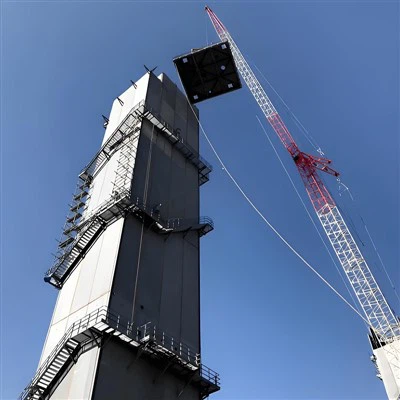
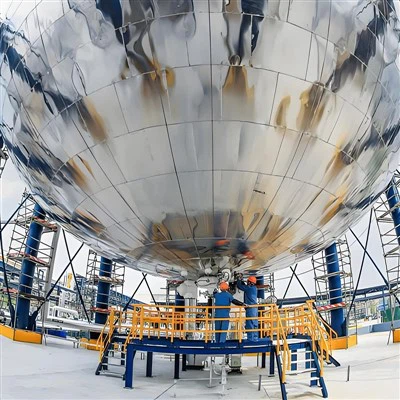
Hey there! As a supplier of Carbon Capture Plants, I know firsthand how crucial it is to ensure the reliability of these facilities. Carbon capture technology plays a vital role in the fight against climate change by capturing carbon dioxide (CO2) emissions from industrial processes and power plants before they're released into the atmosphere. But for these plants to be effective, they've got to be reliable. So, let's dive into some measures to make sure your Carbon Capture Plant runs smoothly.
1. High - Quality Equipment Selection
The first step in ensuring the reliability of a Carbon Capture Plant is choosing the right equipment. When it comes to components like pumps, compressors, and separation units, you can't cut corners. High - quality equipment is built to last, with better materials and more precise engineering.
For instance, a well - made Co2 Air Separation Unit Co2 Air Separation Unit can efficiently separate CO2 from other gases. It reduces the risk of breakdowns and ensures consistent performance. Cheap or sub - standard equipment might save you some money upfront, but it'll likely lead to more frequent repairs and downtime in the long run.
2. Regular Maintenance and Inspections
Just like a car needs regular tune - ups, a Carbon Capture Plant needs routine maintenance. Scheduled inspections can catch potential problems before they turn into major disasters. This includes checking for leaks in pipes, monitoring the performance of sensors, and lubricating moving parts.
Maintenance should follow a detailed plan that's specific to each plant. For example, some parts might need to be replaced after a certain number of operating hours, while others might only need visual inspections. By staying on top of maintenance, you can prevent small issues from escalating and keep the plant running at its best.
3. Operator Training
Even the best equipment won't perform well if the operators don't know how to use it properly. That's why comprehensive operator training is essential. Operators should be trained on all aspects of the Carbon Capture Plant, from basic operation to emergency procedures.
Training programs should be updated regularly to reflect the latest technology and safety standards. When operators are well - trained, they can make quick and informed decisions in case of any issues. They can also optimize the plant's performance, which not only improves reliability but also reduces operating costs.
4. Redundancy and Backup Systems
In any complex system, there's always a chance of something going wrong. That's why having redundancy and backup systems is a smart move. For example, having multiple pumps or compressors means that if one fails, the others can still keep the plant running.
Backup power systems are also crucial. A power outage can disrupt the entire operation of a Carbon Capture Plant. With a reliable backup generator, the plant can continue to function until the main power is restored. This minimizes downtime and ensures that CO2 capture doesn't stop.
5. Monitoring and Data Analytics
Thanks to modern technology, we can now monitor every aspect of a Carbon Capture Plant in real - time. Sensors can collect data on temperature, pressure, flow rates, and more. By analyzing this data, we can detect trends and predict potential problems.
For example, if the temperature in a certain part of the plant starts to rise steadily, it could be a sign of a blockage or a malfunction. Data analytics can help us identify these issues early and take corrective action. It also allows us to optimize the plant's performance based on historical data, making it more efficient and reliable.
6. Quality Control in Construction
The reliability of a Carbon Capture Plant starts right from the construction phase. Quality control during construction ensures that all components are installed correctly and meet the required standards.
This includes proper welding of pipes, accurate alignment of equipment, and thorough testing before the plant is commissioned. A well - constructed plant is less likely to have structural or mechanical problems later on. It provides a solid foundation for long - term reliability.
7. Supplier Support
As a Carbon Capture Plant supplier, I understand the importance of providing excellent support to our customers. A reliable supplier should offer technical assistance, spare parts, and training. They should also be available 24/7 in case of emergencies.
When you choose a supplier, look for one with a good reputation and a proven track record. A supplier who stands behind their products can make a big difference in the long - term reliability of your Carbon Capture Plant.
8. Environmental Considerations
The environment in which a Carbon Capture Plant operates can also affect its reliability. Extreme temperatures, humidity, and corrosive substances can all take a toll on the equipment.
For example, in a coastal area, the salt in the air can cause corrosion. To counter this, the plant should be designed with appropriate protective coatings and materials. By considering the environmental factors during the design and construction phase, we can increase the plant's durability and reliability.
9. Regulatory Compliance
Complying with relevant regulations is not only a legal requirement but also a way to ensure the reliability of a Carbon Capture Plant. Regulations are in place to protect the environment and the safety of workers.
When a plant meets all the regulatory standards, it's more likely to be well - designed and maintained. It also reduces the risk of fines and shutdowns due to non - compliance. Staying updated on the latest regulations and making necessary adjustments to the plant is essential for long - term reliability.
10. Continuous Improvement
The field of carbon capture is constantly evolving. New technologies and methods are being developed all the time. To keep your Carbon Capture Plant reliable, you need to embrace continuous improvement.
This could involve upgrading equipment, implementing new control systems, or adopting more efficient processes. By staying ahead of the curve, you can ensure that your plant remains competitive and reliable in the long run.


If you're in the market for a Carbon Capture Plant Carbon Capture Plant or need to enhance the reliability of your existing one, I'd love to have a chat. We've got the expertise and the products to meet your needs. Whether you're running a small - scale operation or a large industrial facility, we can provide customized solutions. Don't hesitate to reach out and start a conversation about how we can work together to make your carbon capture efforts more reliable and efficient.
References
- International Energy Agency. (2023). Carbon Capture, Utilization and Storage.
- American Institute of Chemical Engineers. (2022). Best Practices for Carbon Capture Plant Operation.
- Environmental Protection Agency. (2021). Regulations for Carbon Capture Facilities.