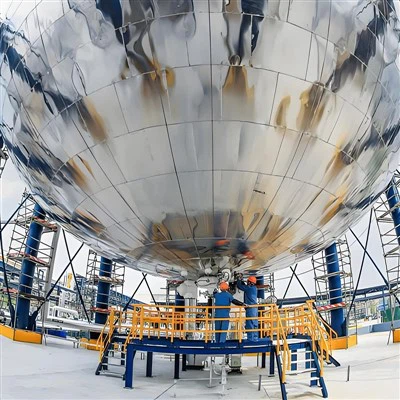
As a supplier of CO2 factories, I understand the significance of operating a CO2 factory efficiently. In today's industrial landscape, where environmental concerns are paramount and resource optimization is crucial, the efficient operation of a CO2 factory not only contributes to the bottom line but also aligns with sustainable development goals. This blog post aims to provide insights into the key strategies and best practices for running a CO2 factory efficiently.
1. Technology Selection and Upgrades
The foundation of an efficient CO2 factory lies in the selection of appropriate technology. When establishing a new CO2 plant or upgrading an existing one, it is essential to consider the latest advancements in CO2 production and recovery. Co2 Recycling Plant and Co2 Manufacturing Plant technologies offer innovative solutions for capturing, purifying, and producing CO2.
Advanced CO2 recovery systems, such as membrane separation, adsorption, and cryogenic distillation, can significantly improve the efficiency of CO2 capture from industrial flue gases or other sources. These technologies are designed to maximize the recovery rate of CO2 while minimizing energy consumption and waste generation. For example, membrane separation technology uses selective membranes to separate CO2 from other gases based on their different permeation rates. This process is energy-efficient and can achieve high-purity CO2 production.
In addition to CO2 recovery technologies, the selection of efficient production processes is also crucial. CO2 Recovery And Production Plants often incorporate integrated systems that combine CO2 capture, purification, and production into a single process. These integrated systems can optimize the overall efficiency of the factory by reducing the number of intermediate steps and minimizing energy losses.
2. Energy Management
Energy consumption is one of the major costs in operating a CO2 factory. Therefore, effective energy management is essential for improving the efficiency of the factory. There are several strategies that can be implemented to reduce energy consumption and increase energy efficiency.
First, it is important to conduct an energy audit of the factory to identify areas of high energy consumption and potential energy-saving opportunities. An energy audit can help to determine the energy efficiency of different equipment and processes in the factory and provide recommendations for improvement. For example, the audit may reveal that certain equipment is operating at a lower efficiency than expected or that there are opportunities to optimize the use of energy-intensive processes.
Second, the use of renewable energy sources, such as solar, wind, and biomass, can significantly reduce the reliance on fossil fuels and lower the carbon footprint of the factory. Renewable energy can be used to power the factory's equipment and processes, or it can be used to generate electricity for sale to the grid. For example, solar panels can be installed on the roof of the factory to generate electricity, which can be used to power the CO2 production process or other equipment in the factory.
Third, the implementation of energy-efficient technologies and practices can also help to reduce energy consumption. For example, the use of energy-efficient motors, pumps, and compressors can significantly reduce the energy consumption of the factory's equipment. In addition, the implementation of energy management systems, such as automated control systems and smart meters, can help to optimize the use of energy and reduce energy waste.
3. Process Optimization
Process optimization is another important aspect of operating a CO2 factory efficiently. By optimizing the production process, it is possible to improve the quality and quantity of CO2 production while reducing energy consumption and waste generation. There are several strategies that can be implemented to optimize the production process.
First, the use of advanced process control systems can help to monitor and control the production process in real-time. Advanced process control systems use sensors and algorithms to continuously monitor the key parameters of the production process, such as temperature, pressure, and flow rate, and adjust the process accordingly to ensure optimal performance. For example, an advanced process control system can automatically adjust the feed rate of raw materials or the operating conditions of the equipment to maintain a stable and efficient production process.
Second, the implementation of lean manufacturing principles can help to eliminate waste and improve the efficiency of the production process. Lean manufacturing focuses on the elimination of non-value-added activities and the optimization of the flow of materials and information in the production process. For example, the implementation of just-in-time (JIT) inventory management can help to reduce inventory levels and minimize the waste associated with overproduction.
Third, the continuous improvement of the production process is essential for maintaining high efficiency. This can be achieved through the implementation of a continuous improvement program, such as the Plan-Do-Check-Act (PDCA) cycle. The PDCA cycle involves the following steps: (1) plan: identify areas for improvement and develop a plan for improvement; (2) do: implement the plan; (3) check: monitor and evaluate the results of the implementation; and (4) act: make adjustments to the plan based on the results of the evaluation and continue the cycle.
4. Quality Control
Quality control is crucial for ensuring the consistent production of high-quality CO2. By implementing a comprehensive quality control system, it is possible to minimize the risk of product defects and ensure that the CO2 produced meets the required standards and specifications. There are several strategies that can be implemented to ensure quality control in a CO2 factory.
First, the use of advanced analytical techniques can help to monitor and control the quality of CO2 production. Advanced analytical techniques, such as gas chromatography and mass spectrometry, can be used to analyze the composition and purity of CO2 samples and ensure that they meet the required standards. For example, gas chromatography can be used to separate and analyze the different components of a CO2 sample, while mass spectrometry can be used to determine the molecular weight and structure of the components.


Second, the implementation of a quality management system, such as ISO 9001, can help to ensure that the production process is consistent and that the quality of the CO2 produced meets the required standards. A quality management system provides a framework for the management of quality in the factory and includes procedures for quality control, quality assurance, and continuous improvement.
Third, the training and development of employees are essential for ensuring quality control. Employees should be trained on the importance of quality control and the proper use of quality control equipment and procedures. In addition, employees should be encouraged to participate in the continuous improvement of the quality management system and to provide feedback on the production process.
5. Maintenance and Safety
Maintenance and safety are also important aspects of operating a CO2 factory efficiently. By ensuring the proper maintenance of equipment and the safety of employees, it is possible to minimize downtime and prevent accidents, which can have a significant impact on the efficiency of the factory. There are several strategies that can be implemented to ensure maintenance and safety in a CO2 factory.
First, the implementation of a preventive maintenance program can help to ensure the proper functioning of equipment and prevent breakdowns. A preventive maintenance program involves the regular inspection, cleaning, and lubrication of equipment, as well as the replacement of worn-out parts. For example, the preventive maintenance program may include the regular inspection of the CO2 production equipment to ensure that it is operating at a safe and efficient level.
Second, the implementation of a safety management system is essential for ensuring the safety of employees and the environment. A safety management system provides a framework for the management of safety in the factory and includes procedures for hazard identification, risk assessment, and control. For example, the safety management system may include the implementation of safety training programs for employees, the use of personal protective equipment (PPE), and the establishment of emergency response plans.
Third, the continuous improvement of the maintenance and safety management systems is essential for ensuring the long-term efficiency and safety of the factory. This can be achieved through the implementation of a continuous improvement program, such as the Plan-Do-Check-Act (PDCA) cycle. The PDCA cycle involves the following steps: (1) plan: identify areas for improvement and develop a plan for improvement; (2) do: implement the plan; (3) check: monitor and evaluate the results of the implementation; and (4) act: make adjustments to the plan based on the results of the evaluation and continue the cycle.
Conclusion
Operating a CO2 factory efficiently requires a comprehensive approach that encompasses technology selection, energy management, process optimization, quality control, and maintenance and safety. By implementing the strategies and best practices outlined in this blog post, it is possible to improve the efficiency of the factory, reduce energy consumption and waste generation, and ensure the consistent production of high-quality CO2.
If you are interested in learning more about our CO2 factory solutions or would like to discuss your specific requirements, please feel free to contact us for a consultation. We are committed to providing our customers with the highest quality products and services and to helping them achieve their goals of operating a CO2 factory efficiently.
References
- Smith, J. (2020). Energy Management in Industrial Plants. Wiley.
- Lean Manufacturing Institute. (2021). Lean Manufacturing Principles. Retrieved from https://leanmanufacturing.org/
- ISO. (2021). ISO 9001:2015 Quality Management Systems - Requirements. Retrieved from https://www.iso.org/standard/62085.html