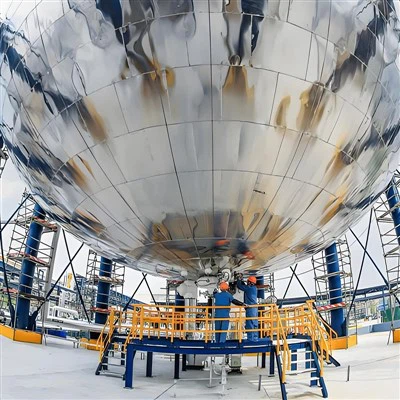
As a supplier of Co2 Gas Plant, optimizing the flow of gases and liquids in a CO2 gas plant is a crucial aspect of ensuring efficient and effective operations. In this blog post, I will share some key strategies and considerations that can help in achieving this optimization.


Understanding the Basics of Gas and Liquid Flow
Before delving into optimization techniques, it is essential to have a solid understanding of the basic principles of gas and liquid flow. In a CO2 gas plant, gases and liquids move through a complex network of pipes, valves, and equipment. The flow behavior is influenced by factors such as pressure, temperature, viscosity, and the geometry of the flow path.
Gas flow is typically characterized by its compressibility, which means that the volume of the gas can change significantly with changes in pressure and temperature. On the other hand, liquid flow is generally considered incompressible, although it can still be affected by factors such as viscosity and turbulence.
Design and Layout of the Plant
The design and layout of the CO2 gas plant play a vital role in optimizing the flow of gases and liquids. Here are some key considerations:
- Pipe Sizing: Proper pipe sizing is crucial to ensure that the flow of gases and liquids is smooth and efficient. Undersized pipes can cause high pressure drops, which can lead to increased energy consumption and reduced plant performance. On the other hand, oversized pipes can result in excessive costs and inefficient use of space.
- Minimizing Bends and Fittings: Bends and fittings in the piping system can cause turbulence and pressure drops, which can negatively impact the flow of gases and liquids. Therefore, it is important to minimize the number of bends and fittings and use smooth, streamlined designs wherever possible.
- Proper Equipment Placement: The placement of equipment such as compressors, pumps, and heat exchangers can also affect the flow of gases and liquids. These equipment should be placed in a way that minimizes the length of the piping runs and reduces the number of bends and fittings.
Control of Pressure and Temperature
Pressure and temperature are two critical factors that can significantly impact the flow of gases and liquids in a CO2 gas plant. Here are some strategies for controlling these factors:
- Pressure Regulation: Maintaining proper pressure levels is essential to ensure the efficient flow of gases and liquids. Pressure regulators can be used to control the pressure at various points in the plant, such as at the inlet and outlet of equipment and along the piping system.
- Temperature Control: Temperature can also affect the flow properties of gases and liquids. For example, increasing the temperature of a gas can reduce its viscosity and increase its flow rate. Therefore, it is important to control the temperature of the gases and liquids in the plant to ensure optimal flow conditions. Heat exchangers can be used to heat or cool the gases and liquids as needed.
Use of Flow Control Devices
Flow control devices such as valves, orifices, and flow meters can be used to regulate the flow of gases and liquids in a CO2 gas plant. Here are some common types of flow control devices:
- Valves: Valves are used to control the flow rate, pressure, and direction of gases and liquids in the plant. There are various types of valves available, such as gate valves, globe valves, ball valves, and butterfly valves. The choice of valve depends on the specific application and the requirements of the plant.
- Orifices: Orifices are used to create a pressure drop in the piping system, which can be used to control the flow rate of gases and liquids. Orifices are typically used in combination with flow meters to measure the flow rate accurately.
- Flow Meters: Flow meters are used to measure the flow rate of gases and liquids in the plant. There are various types of flow meters available, such as differential pressure flow meters, electromagnetic flow meters, and ultrasonic flow meters. The choice of flow meter depends on the specific application and the requirements of the plant.
Maintenance and Monitoring
Regular maintenance and monitoring are essential to ensure the optimal performance of the CO2 gas plant and the efficient flow of gases and liquids. Here are some key maintenance and monitoring activities:
- Inspection and Cleaning: Regular inspection and cleaning of the piping system, equipment, and flow control devices are necessary to prevent blockages, corrosion, and other issues that can affect the flow of gases and liquids.
- Calibration of Flow Meters: Flow meters should be calibrated regularly to ensure accurate measurement of the flow rate of gases and liquids.
- Monitoring of Pressure and Temperature: Pressure and temperature sensors should be installed at various points in the plant to monitor the operating conditions and detect any abnormalities.
Conclusion
Optimizing the flow of gases and liquids in a CO2 gas plant is a complex but essential task that requires a comprehensive understanding of the basic principles of fluid mechanics, as well as the design and operation of the plant. By following the strategies and considerations outlined in this blog post, you can improve the efficiency and performance of your CO2 gas plant and reduce energy consumption and operating costs.
If you are interested in learning more about our Co2 Gas Plant, Co2 Factory, or Co2 Production Plant, or if you have any questions or need further assistance, please feel free to contact us. We look forward to the opportunity to discuss your specific requirements and provide you with the best solutions for your CO2 gas plant needs.
References
- Incropera, F. P., & DeWitt, D. P. (2002). Fundamentals of heat and mass transfer. John Wiley & Sons.
- Fox, R. W., McDonald, A. T., & Pritchard, P. J. (2008). Introduction to fluid mechanics. John Wiley & Sons.
- Green, D. W., & Perry, R. H. (2007). Perry's chemical engineers' handbook. McGraw-Hill.