When it comes to industrial oxygen production, two prominent technologies stand out: cryogenic oxygen plants and Pressure Swing Adsorption (PSA) oxygen plants. As a supplier of cryogenic oxygen plants, I have in - depth knowledge of both systems and their respective operating costs. In this blog, I will explore the differences in operating costs between cryogenic and PSA oxygen plants.
1. Understanding the Basics
Before delving into the operating costs, it's essential to understand how these two types of oxygen plants work.
Cryogenic Oxygen Plants
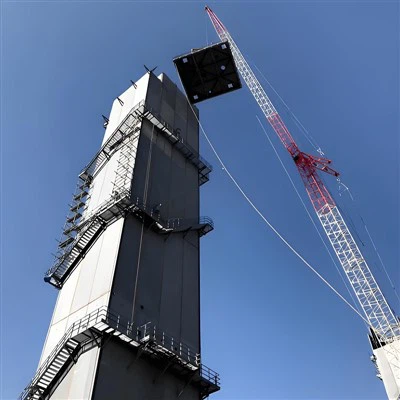
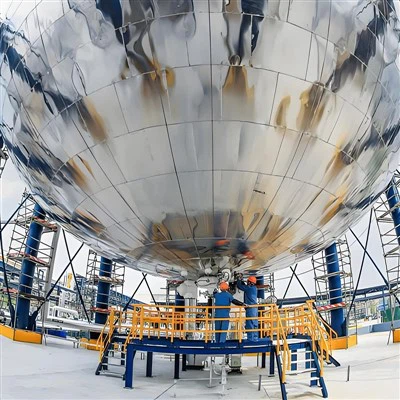
Cryogenic oxygen plants use the process of cryogenic distillation. Air is first compressed, cooled, and then liquefied. Through a series of distillation columns, the different components of air, such as nitrogen, oxygen, and argon, are separated based on their boiling points. The cryogenic process can produce high - purity oxygen, typically above 99.5%. You can learn more about cryogenic oxygen generation on our Cryogenic Oxygen Generator page. We also offer Cryogenic Liquid Oxygen Gas Plant and Cryogenic Liquid Oxygen Plant solutions.
PSA Oxygen Plants
PSA oxygen plants rely on the principle of adsorption. Adsorbent materials, usually zeolite molecular sieves, are used to selectively adsorb nitrogen from the compressed air at high pressure. When the pressure is reduced, the nitrogen is desorbed, and the oxygen product is obtained. PSA plants are known for their ability to produce oxygen with a purity range of 90 - 95%.
2. Energy Consumption
Energy consumption is one of the most significant factors contributing to the operating costs of an oxygen plant.
Cryogenic Oxygen Plants
Cryogenic oxygen plants are energy - intensive. The process of compressing, cooling, and liquefying air requires a large amount of electrical power. The refrigeration system, which maintains the low temperatures necessary for distillation, is a major energy consumer. Additionally, the distillation columns need to be operated continuously, and the pumps used for circulating the liquefied air also consume a considerable amount of energy. However, for large - scale production, the energy efficiency per unit of oxygen produced can be relatively high due to economies of scale.
PSA Oxygen Plants
PSA oxygen plants generally have lower energy consumption compared to cryogenic plants. The main energy - consuming components are the air compressor and the valves used for pressure swing. Since the process does not involve liquefaction, the energy required for cooling is significantly reduced. However, for very large - scale oxygen production, the energy efficiency of PSA plants may not be as competitive as cryogenic plants.
3. Maintenance Costs
Maintenance is another important aspect of operating costs.
Cryogenic Oxygen Plants
Cryogenic oxygen plants have complex equipment, including compressors, heat exchangers, distillation columns, and refrigeration systems. These components require regular maintenance to ensure proper operation. The refrigeration system, in particular, needs to be carefully maintained to prevent leaks and ensure efficient cooling. The cost of spare parts for cryogenic plants can be relatively high, and specialized technicians are often required for maintenance and repairs.
PSA Oxygen Plants
PSA oxygen plants have a simpler design with fewer complex components. The main maintenance requirements are for the air compressor, adsorbent beds, and valves. The adsorbent materials need to be replaced periodically, but the cost of replacement is generally lower compared to the spare parts of cryogenic plants. The maintenance of PSA plants can often be carried out by in - house technicians, reducing the need for external specialized services.
4. Feedstock and Productivity
The feedstock requirements and productivity of the two types of plants also impact the operating costs.
Cryogenic Oxygen Plants
Cryogenic oxygen plants use air as the feedstock, which is abundant and free. However, the process has a relatively long start - up time, usually taking several hours to reach full production capacity. Once operational, cryogenic plants can produce large volumes of high - purity oxygen continuously. This makes them suitable for industries with high - volume and high - purity oxygen requirements, such as steelmaking and chemical production.
PSA Oxygen Plants
PSA oxygen plants also use air as the feedstock. They have a much shorter start - up time, typically within minutes. This makes them more suitable for applications where oxygen demand fluctuates or where a quick start - up is required. However, the production capacity of PSA plants is generally lower compared to cryogenic plants, and they may not be able to meet the high - volume requirements of some large - scale industries.
5. Product Quality and Market Value
The quality of the oxygen produced can affect the market value and, indirectly, the operating costs.


Cryogenic Oxygen Plants
The high - purity oxygen produced by cryogenic plants is in high demand in industries where strict quality standards are required. For example, in the medical field, oxygen with a purity of over 99.5% is necessary for patient treatment. The high - quality oxygen can command a higher price in the market, which can offset some of the higher operating costs associated with cryogenic plants.
PSA Oxygen Plants
The oxygen produced by PSA plants, with a purity of 90 - 95%, is suitable for many industrial applications, such as welding and metal cutting. While the purity is lower than that of cryogenic plants, the cost - effectiveness of PSA plants makes them a popular choice for these applications. However, they may not be suitable for industries with extremely high - purity requirements.
6. Long - term Operating Costs
When considering long - term operating costs, several factors need to be taken into account.
Cryogenic Oxygen Plants
Although cryogenic plants have higher initial capital costs and energy consumption, their long - term operating costs can be more stable. The high - volume production and high - quality product can lead to a more consistent revenue stream. Additionally, as technology advances, the energy efficiency of cryogenic plants is gradually improving, which may further reduce operating costs in the long run.
PSA Oxygen Plants
PSA plants have lower initial capital costs and energy consumption in the short term. However, the need for periodic replacement of adsorbent materials and potential limitations in production capacity may lead to higher long - term costs, especially for industries with growing oxygen demand.
Conclusion
In conclusion, the operating costs of cryogenic and PSA oxygen plants differ significantly in terms of energy consumption, maintenance, feedstock utilization, productivity, product quality, and long - term viability. Cryogenic oxygen plants are more suitable for large - scale, high - purity oxygen production, while PSA oxygen plants are better for applications with lower purity requirements and fluctuating demand.
If you are in the market for an oxygen plant and need to make an informed decision based on your specific requirements, I encourage you to reach out for a detailed consultation. Our team of experts can provide you with comprehensive information and assist you in selecting the most cost - effective solution for your business. Contact us today to start the procurement negotiation process and find the perfect oxygen plant for your needs.
References
- Perry, R. H., & Green, D. W. (Eds.). (1997). Perry's Chemical Engineers' Handbook. McGraw - Hill.
- Kohl, A. L., & Nielsen, R. B. (1997). Gas Purification. Gulf Publishing Company.