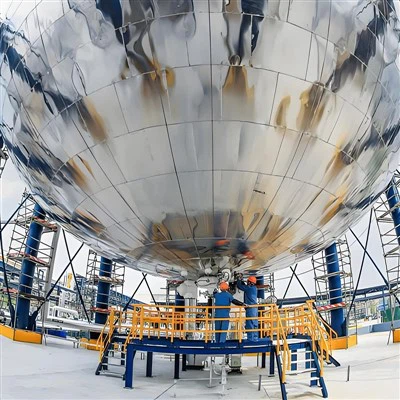
Hey there! I'm a supplier for a Co2 Factory, and I've seen firsthand the challenges and opportunities when it comes to reducing emissions in these types of facilities. In this blog, I'm gonna share some practical tips and strategies that can help cut down on CO2 emissions in a CO2 factory.
Understanding the Emission Sources
First off, it's crucial to know where the emissions are coming from. In a Co2 Manufacturing Plant, there are several potential sources. One of the main ones is the energy consumption. Most factories rely on fossil fuels like coal, oil, or natural gas to power their operations. When these fuels are burned, they release a significant amount of CO2 into the atmosphere.
Another source is the chemical processes involved in CO2 production. For example, if the factory uses certain chemical reactions to extract or purify CO2, these reactions might generate additional emissions as by - products. Also, transportation within and outside the factory can contribute to emissions. Trucks moving raw materials in and finished products out, as well as forklifts and other vehicles used inside the plant, all burn fuel and release CO2.
Energy Efficiency Upgrades
One of the most effective ways to reduce emissions is to improve energy efficiency. Start by conducting an energy audit of the factory. This will help identify areas where energy is being wasted. For instance, old and inefficient machinery might be using more energy than necessary. Upgrading to newer, energy - efficient equipment can make a huge difference.
LED lighting is another easy win. Traditional incandescent or fluorescent lights consume a lot of energy. By switching to LED lights, the factory can significantly reduce its electricity consumption. And since most electricity is still generated from fossil fuels in many places, this directly translates to lower CO2 emissions.
Also, consider installing smart energy management systems. These systems can monitor and control energy usage in real - time. They can adjust the temperature, lighting, and machinery operation based on the actual needs of the factory. For example, if a certain area of the factory is not in use, the system can automatically turn off the lights and reduce the heating or cooling in that area.
Renewable Energy Sources
Incorporating renewable energy sources is a game - changer. Solar panels are a great option for a CO2 factory. The factory's large rooftops can provide ample space for solar panel installation. Solar power is clean and renewable, and once the initial investment is made, it can significantly reduce the factory's reliance on grid - supplied electricity.
Wind turbines can also be considered, especially if the factory is located in an area with good wind resources. Small - scale wind turbines can be installed on the factory premises to generate electricity. Some factories are even exploring the use of biomass energy. Biomass, such as wood chips or agricultural waste, can be burned to produce heat or electricity. And since biomass is a renewable resource, the CO2 emissions from burning it are considered part of the natural carbon cycle.
Process Optimization
Optimizing the chemical processes in the Co2 Processing Plant is essential. Look for ways to reduce the amount of energy and raw materials used in the production process. For example, if there are chemical reactions that require high temperatures, try to find alternative reactions that can occur at lower temperatures. This not only saves energy but also reduces the emissions associated with heating.
Recycle and reuse as much as possible. In the CO2 production process, there might be certain by - products or waste materials that can be recycled back into the process. This reduces the need to use new raw materials, which in turn reduces the emissions associated with their extraction and transportation.
Also, improve the monitoring and control of the production process. Use sensors and advanced control systems to ensure that the chemical reactions are occurring at the optimal conditions. This can prevent over - production and waste, and ultimately lower emissions.
Transportation Management
To cut down on emissions from transportation, encourage the use of electric vehicles. Electric forklifts can be used inside the factory, and electric trucks can be used for local deliveries. These vehicles produce zero tailpipe emissions.
For longer - distance transportation, consider collaborating with logistics partners who use more fuel - efficient vehicles or alternative fuels. Some companies are now using biofuels or natural gas - powered trucks, which emit less CO2 compared to traditional diesel trucks.


Another strategy is to optimize the delivery routes. Use route planning software to find the most efficient routes for trucks. This reduces the distance traveled and, therefore, the amount of fuel burned.
Carbon Capture and Storage (CCS)
Carbon capture and storage is a more advanced technology that can be employed in a CO2 factory. CCS involves capturing the CO2 emissions from the factory's chimneys or other emission sources, then compressing and transporting it to a storage site. The storage site can be an underground geological formation, such as a depleted oil or gas reservoir.
While CCS is still relatively expensive and has some technical challenges, it has the potential to significantly reduce the net emissions of the factory. By capturing and storing the CO2 instead of releasing it into the atmosphere, the factory can make a major contribution to reducing global warming.
Employee Training and Awareness
Lastly, don't forget about the human factor. Employees play a crucial role in reducing emissions. Provide training to employees on energy conservation and environmental best practices. Teach them how to operate the machinery in an energy - efficient way, and encourage them to turn off lights and equipment when not in use.
Create an awareness campaign within the factory. Post signs about energy conservation and environmental protection around the workplace. Recognize and reward employees who come up with innovative ideas to reduce emissions. When everyone in the factory is on board with the goal of reducing emissions, the chances of success are much higher.
Conclusion
Reducing emissions in a CO2 factory is a multi - faceted challenge, but it's definitely achievable. By focusing on energy efficiency, renewable energy, process optimization, transportation management, and carbon capture, a factory can make significant progress in cutting down its CO2 emissions.
If you're interested in learning more about how to implement these strategies in your own factory or if you're looking for high - quality CO2 products from a low - emission factory, I'd love to have a chat. Contact us to start a conversation about your needs and how we can work together to achieve a more sustainable future.
References
- International Energy Agency (IEA). Energy Efficiency Policies and Measures.
- United Nations Framework Convention on Climate Change (UNFCCC). Carbon Capture and Storage Guidelines.
- Renewable Energy World. Renewable Energy Solutions for Industrial Facilities.