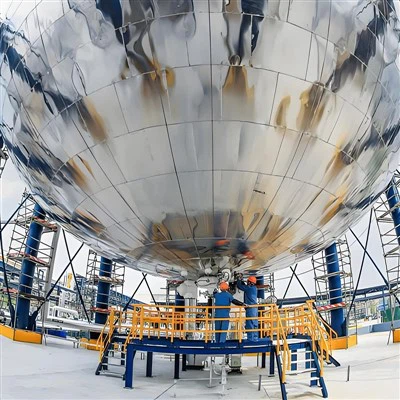
As a supplier of liquid oxygen plants, I've witnessed firsthand the significant economic benefits these facilities bring to various industries. Liquid oxygen, a cryogenic liquid with a boiling point of -183°C, is a crucial industrial gas with a wide range of applications. In this blog post, I'll delve into the economic advantages of owning and operating a liquid oxygen plant.
Cost Savings Through Self - Sufficiency
One of the most immediate economic benefits of having a liquid oxygen plant is cost savings. Many industries rely heavily on liquid oxygen for their operations, such as the metal fabrication, healthcare, and chemical industries. When companies purchase liquid oxygen from external suppliers, they often face high transportation costs, mark - ups, and price fluctuations. By installing a Liquid Oxygen Production Plant, businesses can produce their own liquid oxygen on - site. This eliminates the need for costly transportation and reduces the impact of market price volatility.
For example, in the metal fabrication industry, liquid oxygen is used in cutting and welding processes. A large - scale metal fabrication shop that produces its own liquid oxygen can save a substantial amount of money over time. The initial investment in the plant may seem significant, but the long - term cost savings on oxygen procurement can be quite substantial. The cost of producing liquid oxygen in - house is often much lower than the price of purchasing it from a third - party supplier, especially when considering the volume of oxygen required for continuous operations.
Revenue Generation from Surplus Production
Another economic advantage of a liquid oxygen plant is the potential for revenue generation. In many cases, a liquid oxygen plant can produce more oxygen than the company's internal needs. This surplus oxygen can be sold to other businesses in the area. For instance, a chemical plant with a liquid oxygen plant may find that it has excess production capacity. By selling the surplus liquid oxygen to local metalworking shops or healthcare facilities, the chemical plant can create an additional revenue stream.
The market for liquid oxygen is relatively stable, and there is always a demand for this essential industrial gas. With proper marketing and distribution channels, companies can easily find customers for their surplus liquid oxygen. This not only helps to offset the cost of operating the plant but also contributes to the overall profitability of the business.
Job Creation and Local Economic Development
The construction and operation of a liquid oxygen plant also have positive impacts on the local economy. During the construction phase of a Liquid Oxygen Plant Build, a significant number of jobs are created. These jobs range from construction workers to engineers and project managers. The influx of workers into the area during the construction period stimulates local businesses such as restaurants, hotels, and retail stores.
Once the plant is operational, it continues to create jobs. There is a need for operators, maintenance technicians, and administrative staff to run the plant efficiently. These jobs provide stable employment opportunities for local residents, which in turn increases the purchasing power of the community. Moreover, the presence of a liquid oxygen plant can attract other industries to the area. For example, a healthcare company may be more likely to set up a new facility in an area where a reliable supply of liquid oxygen is available. This can lead to further economic development and job creation in the region.
Energy Efficiency and Reduced Environmental Impact
Modern liquid oxygen plants are designed to be highly energy - efficient. They use advanced technologies such as cryogenic distillation to separate oxygen from air. These technologies consume less energy compared to traditional methods of oxygen production. By reducing energy consumption, companies can save on energy costs. Energy is one of the major operating expenses for any industrial facility, and a more energy - efficient liquid oxygen plant can significantly reduce this cost.
In addition to cost savings, energy - efficient liquid oxygen plants also have a reduced environmental impact. Lower energy consumption means fewer greenhouse gas emissions. This is not only beneficial for the environment but can also help companies meet regulatory requirements. Some regions offer incentives or tax breaks for companies that invest in energy - efficient and environmentally friendly technologies. By operating a state - of - the - art Liquid Oxygen Air Separation Plant, companies can take advantage of these incentives, further improving their economic situation.
Improved Product Quality and Process Efficiency
For industries that use liquid oxygen in their production processes, having an on - site liquid oxygen plant can lead to improved product quality and process efficiency. In the healthcare industry, for example, a hospital with its own liquid oxygen plant can ensure a continuous and reliable supply of high - purity oxygen for patient care. This is crucial for critical care units and emergency departments, where any interruption in the oxygen supply can have serious consequences.
In the manufacturing industry, a consistent supply of high - quality liquid oxygen can improve the quality of the products being manufactured. For example, in the production of semiconductors, the use of pure liquid oxygen is essential for certain manufacturing processes. By having a liquid oxygen plant on - site, semiconductor manufacturers can have better control over the quality of the oxygen used in their production, leading to higher - quality products and potentially higher profits.
Long - Term Stability and Supply Security
In an increasingly volatile global market, having a liquid oxygen plant provides long - term stability and supply security. External factors such as geopolitical tensions, natural disasters, or supply chain disruptions can affect the availability and price of liquid oxygen when sourced from external suppliers. A company with its own liquid oxygen plant is less vulnerable to these external factors.
For example, during a natural disaster, transportation networks may be disrupted, making it difficult for companies to receive their oxygen supplies from distant suppliers. However, a company with an on - site liquid oxygen plant can continue its operations without interruption. This reliability and stability are invaluable for businesses, especially those that rely on liquid oxygen for critical processes. It allows companies to plan their production schedules more effectively and reduces the risk of production downtime due to oxygen shortages.


Conclusion
In conclusion, the economic benefits of a liquid oxygen plant are numerous and far - reaching. From cost savings and revenue generation to job creation and improved product quality, these plants offer significant advantages to businesses and local economies. As a supplier of liquid oxygen plants, I understand the importance of these benefits and am committed to helping companies make the most of their investment in a liquid oxygen plant.
If you are interested in exploring the economic benefits of a liquid oxygen plant for your business, I encourage you to reach out for a detailed discussion. We can provide you with more information on the different types of liquid oxygen plants available, the cost - benefit analysis, and the installation process. Contact us today to start the conversation about how a liquid oxygen plant can enhance your business's bottom line.
References
- Brown, R. C. (2017). Industrial Gases in the Environment. CRC Press.
- Green, M. S. (2019). Oxygen Production Technologies: A Review. Journal of Industrial Gas Research, 12(3), 45 - 58.
- Johnson, L. K. (2020). The Economic Impact of On - Site Gas Production Facilities. Economic Development Quarterly, 24(2), 156 - 168.