Hey there! I'm from a cryogenic ASU supplier, and today I wanna chat about how to train operators for cryogenic ASUs. Cryogenic Air Separation Units (ASUs) are pretty complex pieces of equipment, and having well - trained operators is super important for their smooth and safe operation.
Understanding the Basics
First off, before you start training anyone, it's crucial that they have a solid grasp of the basic principles behind cryogenic ASUs. Cryogenic ASUs work by cooling air to extremely low temperatures so that the different components of air, like nitrogen, oxygen, and argon, can be separated based on their boiling points.
To begin with, new operators should study the theory of cryogenic processes. They need to learn about things like heat transfer, phase changes, and the properties of different gases. There are plenty of textbooks and online resources available that can help them get up to speed. For a more in - depth look at Cryogenic Air Separation Units, you can check out Cryogenic Air Separation Unit.
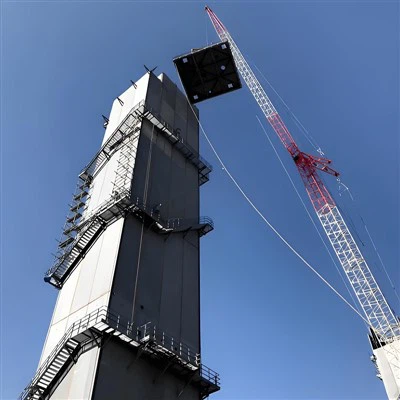
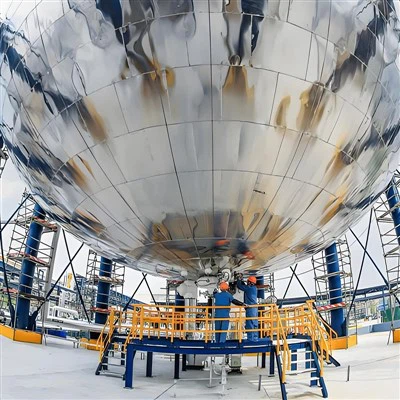
Once they have a theoretical understanding, hands - on training is a must. We usually start with a tour of the plant. This gives the operators a chance to see the equipment up close, understand how different parts are connected, and get a feel for the layout of the whole facility.
Safety Training
Safety is non - negotiable when it comes to cryogenic ASUs. These units deal with extremely cold temperatures and potentially dangerous gases. So, safety training should be the very first thing on the agenda.
Operators need to learn about personal protective equipment (PPE). This includes things like insulated gloves, safety glasses, and special suits designed to protect against cold. They also need to know how to handle emergencies. For example, in case of a gas leak, they should know where the emergency shut - off valves are and how to use them.
We conduct regular safety drills to make sure operators are prepared for any situation. These drills simulate real - life emergencies, such as a sudden drop in temperature or a malfunction in the cooling system. Through these drills, operators learn how to react quickly and effectively to minimize risks.
Equipment Familiarization
After safety training, it's time for operators to get familiar with the different pieces of equipment in the cryogenic ASU. This includes compressors, heat exchangers, distillation columns, and storage tanks.
For each piece of equipment, operators should learn its function, how it operates, and how to perform basic maintenance tasks. For example, with compressors, they need to know how to check the oil levels, monitor the pressure, and troubleshoot common problems.
We provide detailed manuals for each piece of equipment, but hands - on experience is the best teacher. Operators are given the opportunity to operate the equipment under the supervision of experienced technicians. This way, they can learn from real - time feedback and gain confidence in their abilities.
Process Control Training
Cryogenic ASUs are highly automated, but operators still need to have a good understanding of process control. They need to be able to monitor the various parameters of the system, such as temperature, pressure, and flow rate, and make adjustments as needed.
We use control systems that display all the important data in real - time. Operators are trained to read these displays, identify any abnormal readings, and take appropriate action. For example, if the temperature in a distillation column is too high, they need to know how to adjust the cooling system to bring it back to the normal range.
Training in process control also involves understanding the interaction between different parts of the system. A change in one parameter can have a ripple effect on other parts of the ASU. So, operators need to be able to think critically and make decisions that take into account the overall operation of the unit.
Troubleshooting and Maintenance
Even with the best - designed cryogenic ASUs, problems can still occur. That's why operators need to be trained in troubleshooting and maintenance.
When a problem arises, operators should be able to identify the root cause quickly. This may involve checking sensors, inspecting valves, or analyzing the data from the control system. Once they've identified the problem, they need to know how to fix it.
Regular maintenance is also crucial to keep the cryogenic ASU running smoothly. Operators are trained to perform routine maintenance tasks, such as cleaning filters, lubricating moving parts, and checking for leaks. By doing these tasks on a regular basis, they can prevent many potential problems from occurring.
For more complex maintenance and repair work, we have a team of experts on standby. But operators should still have a basic understanding of these processes so that they can assist the experts when needed.
Continuous Learning
The field of cryogenic ASUs is constantly evolving. New technologies are being developed, and industry standards are always changing. So, training shouldn't stop after the initial training period.
We encourage our operators to participate in continuous learning programs. This could include attending industry conferences, taking online courses, or participating in in - house training sessions. By staying up - to - date with the latest developments, operators can improve their skills and contribute to the overall efficiency of the cryogenic ASU.
Training for Different Types of Cryogenic ASUs
There are different types of cryogenic ASUs, such as Cryogenic Air Separation Plant and Liquid Air Separation Plant. Each type has its own unique features and requirements.
When training operators, we need to take these differences into account. For example, a liquid air separation plant may require additional training on handling and storing liquid gases. Operators need to know how to maintain the proper temperature and pressure in the storage tanks to prevent evaporation and ensure the quality of the product.


Conclusion
Training operators for cryogenic ASUs is a comprehensive process that involves theoretical knowledge, hands - on experience, safety training, and continuous learning. By investing in proper training, we can ensure that our operators are well - equipped to operate the cryogenic ASUs safely and efficiently.
If you're interested in purchasing a cryogenic ASU or have any questions about our training programs, feel free to reach out to us. We're always happy to have a chat and help you find the best solution for your needs.
References
- Textbooks on cryogenic engineering
- Industry standards and guidelines for cryogenic ASUs
- Manufacturer's manuals for cryogenic ASU equipment