Hey there! As a supplier of CO2 processing plants, I've been in the thick of the industry for quite a while now. And let me tell you, setting up a CO2 processing plant isn't a walk in the park. There are tons of civil engineering requirements that need to be met to ensure everything runs smoothly and safely. So, let's dive right into what those requirements are.
Site Selection and Preparation
First things first, picking the right site is crucial. You can't just plop a CO2 processing plant anywhere. The area should have enough space to accommodate all the equipment and infrastructure. We're talking about not only the main processing units but also storage tanks, pipelines, and access roads.
The ground condition of the site is super important. You don't want to build on unstable soil that could cause the plant to sink or shift over time. A geotechnical investigation is a must. This involves taking soil samples and analyzing them to determine their strength, density, and other properties. Based on the results, engineers can decide if the soil needs to be improved, like by compacting it or adding stabilizing agents.
Also, the site should be away from residential areas and environmentally sensitive zones. CO2 processing plants can produce noise and emissions, so it's important to minimize the impact on the surrounding community and nature.
Structural Design
The buildings and structures in a CO2 processing plant need to be designed to withstand various loads. There are dead loads, which are the weights of the building materials themselves, and live loads, like the weight of equipment, people, and vehicles.
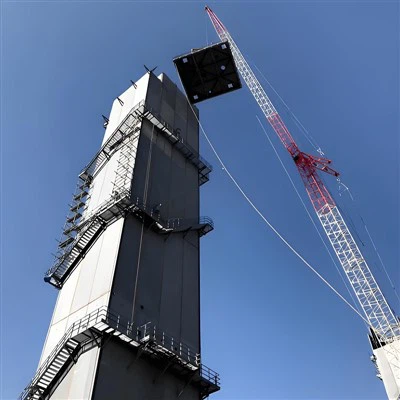
For the main processing buildings, they need to be sturdy enough to house heavy machinery. The walls and floors should be able to handle the vibrations and forces generated by the equipment. Steel or reinforced concrete is often used because of their high strength.
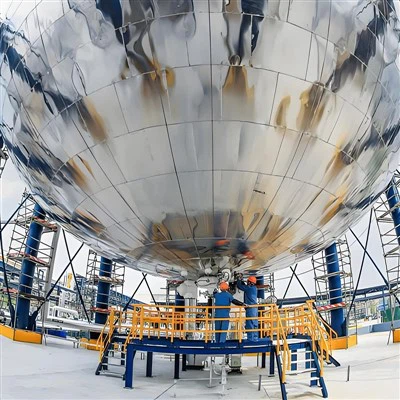
Storage tanks are another critical part. They need to be designed to hold large volumes of CO2 safely. The tanks should be able to withstand the internal pressure of the stored CO2. Engineers use advanced software to calculate the optimal shape, thickness, and material for the tanks. And of course, they need to be protected against corrosion to ensure a long service life.
Utility Systems
A CO2 processing plant relies on several utility systems, and civil engineering plays a big role in their design and installation.
Water is essential for cooling and other processes. So, there needs to be a reliable water supply system. This might involve building water intake structures near a river or lake, or connecting to a municipal water supply. The water distribution pipes need to be properly sized and laid out to ensure an adequate flow to all parts of the plant.
Electrical systems are also key. The plant requires a lot of power to run the equipment. Electrical substations need to be built on-site to step down the high-voltage power from the grid to a usable level. The electrical wiring and conduits need to be installed safely to prevent short circuits and fires.
Then there's the sewage and waste management system. The plant generates wastewater and solid waste that need to be properly treated and disposed of. Civil engineers design the sewage treatment facilities and waste storage areas to ensure compliance with environmental regulations.
Pipeline Design and Installation
Pipelines are the arteries of a CO2 processing plant. They transport CO2 and other fluids between different units. The design of the pipelines is crucial for the efficient and safe operation of the plant.
The pipes need to be made of materials that are resistant to corrosion and can handle the pressure and temperature of the transported fluids. Stainless steel is a common choice for CO2 pipelines. The diameter of the pipes is determined based on the flow rate and pressure requirements.
Proper support structures are needed to hold the pipelines in place. These supports should be designed to withstand the weight of the pipes and the forces caused by fluid flow. Expansion joints are also important to allow for thermal expansion and contraction of the pipes.
Safety and Emergency Systems
Safety is always a top priority in a CO2 processing plant. Civil engineering is involved in the design of safety and emergency systems.
Fire protection systems are essential. This includes fire sprinklers, fire alarms, and fire hydrants. The layout of the plant should be designed to ensure easy access for firefighters. There should be clear evacuation routes and assembly points for the workers in case of an emergency.
In case of a CO2 leak, there need to be detection systems installed throughout the plant. And the building design should allow for proper ventilation to disperse the leaked CO2 quickly.
Cost and Project Management
When it comes to building a CO2 processing plant, cost is a major consideration. Civil engineers need to work closely with project managers to ensure that the project stays within budget. This involves making smart choices about materials and construction methods.
For example, instead of using expensive imported materials, they might look for local alternatives that meet the requirements. And by optimizing the design, they can reduce the amount of materials needed without sacrificing safety and performance.
Project management also includes scheduling the construction work. Civil engineers need to coordinate with different contractors, like those for the building construction, equipment installation, and pipeline laying. A well-planned schedule can help avoid delays and cost overruns.
Environmental Considerations
In today's world, environmental protection is more important than ever. A CO2 processing plant should be designed to minimize its environmental impact.
As I mentioned earlier, the plant should be located away from sensitive areas. And during the construction process, measures should be taken to reduce soil erosion and protect water quality. For example, sediment control barriers can be installed around the construction site.


The plant can also incorporate renewable energy sources, like solar panels or wind turbines, to reduce its reliance on fossil fuels. This not only helps the environment but can also save on energy costs in the long run.
Conclusion
So, there you have it - the main civil engineering requirements for a CO2 processing plant. It's a complex and challenging project, but with the right design and construction, a CO2 processing plant can operate safely and efficiently.
If you're in the market for a Co2 Gas Plant, Co2 Production Plant, or Co2 Factory, I'd love to have a chat with you. We have a team of experienced engineers and a wide range of products to meet your needs. Don't hesitate to reach out for a discussion on how we can work together to set up the perfect CO2 processing solution for you.
References
- "Civil Engineering Handbook" by W. F. Chen and E. M. Lui
- "Process Plant Layout and Piping Design" by O. P. Gandhi