Hey there! I'm a supplier of cryogenic equipment, and today I want to chat about the cooling capacities of different cryogenic equipment. Cryogenic equipment is super important in various industries, from healthcare to manufacturing, as it can handle extremely low temperatures. So, let's dive right in!
Understanding Cryogenic Temperatures
First off, we need to understand what cryogenics is all about. Cryogenics deals with temperatures below -150°C (-238°F). At these frigid temperatures, many substances behave in unique ways. For example, gases like nitrogen, oxygen, and argon can be liquefied, which is crucial for storage and transportation.
Cooling Capacities of Different Cryogenic Equipment
Cryogenic Air Separation Units (ASUs)
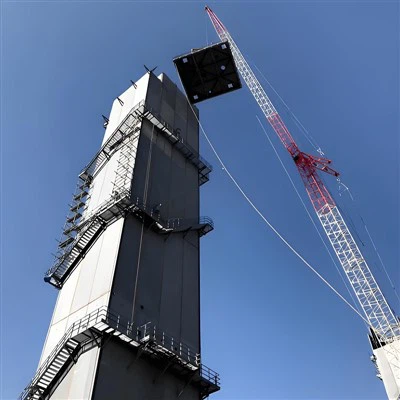
Cryogenic Air Separation Units are like the workhorses of the cryogenic world. These units are used to separate the components of air - mainly nitrogen, oxygen, and argon - by cooling the air to cryogenic temperatures. The cooling capacity of a Cryogenic Air Separation Unit depends on its size and design.
Smaller ASUs, which are often used in laboratories or small - scale industrial applications, can have a cooling capacity of a few kilowatts. These units are great for producing small amounts of high - purity gases on - site. On the other hand, large industrial ASUs used in refineries or chemical plants can have cooling capacities in the megawatt range. These monsters can produce thousands of tons of gases per day.
The cooling process in an ASU involves multiple steps. First, the air is compressed and then cooled using a series of heat exchangers. As the air cools, water vapor and carbon dioxide are removed to prevent them from freezing and clogging the system. Finally, the cooled air is sent to a distillation column, where the different components are separated based on their boiling points.
Cryogenic Nitrogen Generators
Nitrogen is one of the most commonly used gases in industries, and cryogenic nitrogen generators are designed to produce high - purity nitrogen. These generators work by separating nitrogen from air using cryogenic distillation.
The cooling capacity of a cryogenic nitrogen generator is closely related to its nitrogen production rate. Small generators, which can produce a few cubic meters of nitrogen per hour, typically have a relatively low cooling capacity, usually in the range of a few hundred watts. These are suitable for applications like food packaging, where a small amount of nitrogen is needed to preserve the freshness of the products.
Larger cryogenic nitrogen generators, which can produce hundreds or even thousands of cubic meters of nitrogen per hour, have much higher cooling capacities. These are used in industries such as electronics manufacturing, where nitrogen is used to create an inert atmosphere to prevent oxidation during the production process.
Gas Cryogenic Air Separation Plants
Gas Cryogenic Air Separation Plants are similar to ASUs but are often designed for specific gas production needs. These plants can produce a variety of gases, including nitrogen, oxygen, and argon, in large quantities.
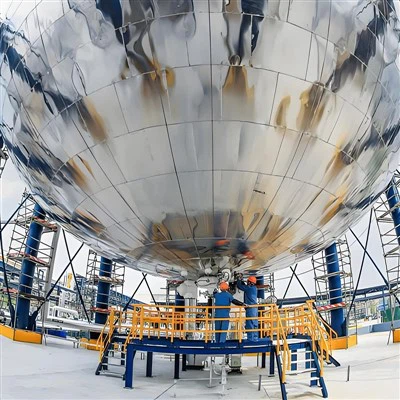
The cooling capacity of a gas cryogenic air separation plant depends on the type and quantity of gases it is designed to produce. For example, a plant that produces mainly oxygen will have a different cooling requirement compared to one that focuses on nitrogen production. These plants typically have very high cooling capacities, often in the multiple - megawatt range, as they need to handle large volumes of air and maintain the cryogenic temperatures required for gas separation.


Factors Affecting Cooling Capacity
There are several factors that can affect the cooling capacity of cryogenic equipment. One of the most important factors is the ambient temperature. If the surrounding environment is hot, the equipment has to work harder to maintain the cryogenic temperatures, which can reduce its overall efficiency and cooling capacity.
The efficiency of the insulation used in the equipment also plays a crucial role. Good insulation helps to minimize heat transfer from the outside environment, allowing the equipment to maintain the low temperatures more easily. Poor insulation can lead to increased energy consumption and a decrease in cooling capacity.
The type and quality of the refrigeration system used in the cryogenic equipment are also significant. Modern refrigeration systems are designed to be more energy - efficient and have a higher cooling capacity compared to older models.
Why Cooling Capacity Matters
The cooling capacity of cryogenic equipment is not just a technical specification; it has real - world implications for businesses. A higher cooling capacity generally means that the equipment can produce more gases or maintain lower temperatures, which can increase productivity.
For example, in the healthcare industry, cryogenic equipment is used to store biological samples at ultra - low temperatures. A higher cooling capacity ensures that these samples are stored safely and can be used for research or medical treatments in the future.
In the manufacturing industry, cryogenic equipment is used in processes such as metal treatment. A well - designed cryogenic system with the right cooling capacity can improve the quality of the products and reduce production costs.
Conclusion
In conclusion, the cooling capacities of different cryogenic equipment vary widely depending on their size, design, and intended application. Whether you're looking for a small cryogenic nitrogen generator for your food packaging business or a large gas cryogenic air separation plant for an industrial complex, understanding the cooling capacity is essential.
If you're in the market for cryogenic equipment and want to learn more about which one is right for your needs, feel free to reach out. We're here to help you make the best choice based on your specific requirements. Let's start a conversation about how our cryogenic equipment can meet your cooling and gas production needs!
References
- "Cryogenic Engineering" by Richard W. Fast.
- "Handbook of Cryogenic Engineering" edited by Arvind Kumar.