Hey there! I'm a supplier of CO2 processing plants, and today I wanna dive into the cost - benefit analyses of these plants. Let's start by looking at what a CO2 processing plant actually is and then break down the costs and benefits.
What's a CO2 Processing Plant?
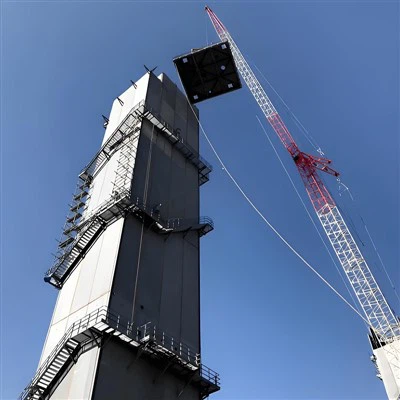
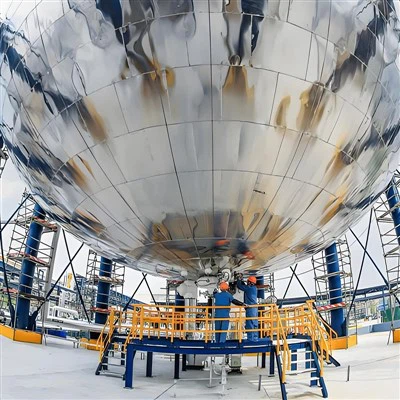
A CO2 processing plant is all about capturing, purifying, and sometimes recycling carbon dioxide. It can take CO2 from industrial emissions and turn it into something useful. There are different types, like CO2 Recovery And Production Plants, which are focused on getting CO2 out of waste gases and producing a high - quality CO2 product. Then there are CO2 Recovery Unit that can be part of a larger system to recover CO2 efficiently, and Co2 Recycling Plant that go a step further and use the recovered CO2 for other processes.
The Costs
Let's talk about the money side. Setting up a CO2 processing plant isn't cheap. First off, there are the capital costs. You need to buy the equipment for capturing, separating, and purifying CO2. This includes things like absorption columns, compressors, and heat exchangers. The type and capacity of the plant you want will really affect how much these cost. A small - scale plant might cost a few hundred thousand dollars, but for a large industrial - scale one, we're talking millions.
There are also the installation costs. You have to build a proper facility to house all the equipment, and that means construction work, getting the right permits, and making sure everything is up to code. This can add a significant amount to the overall bill.
Then, there are the operating costs. Energy is a big one. Running all those pumps, compressors, and heaters takes a lot of power. Depending on where you are and what kind of energy sources you use, this can be a major ongoing expense. You also need to pay for labor. You'll need trained technicians to operate and maintain the plant, and that means salaries, benefits, and training costs.


Another cost factor is maintenance. The equipment in a CO2 processing plant is complex and needs regular upkeep. You need to replace parts, do inspections, and make repairs. If something breaks down, it can not only be expensive to fix but also cause downtime, which means lost revenue.
The Benefits
On the flip side, there are some great benefits to having a CO2 processing plant. One of the major ones is the environmental benefit. By capturing CO2 emissions, you're helping to reduce the amount of greenhouse gases going into the atmosphere. This is huge for the planet, as it helps in the fight against climate change. It can also improve your company's environmental image, which can be a big plus with customers and investors who are more environmentally conscious these days.
There are also financial benefits. You can sell the recovered CO2. It has many uses, like in the food and beverage industry for carbonating drinks, in the medical field for things like laparoscopic surgeries, and in the oil and gas industry for enhanced oil recovery. So, you can generate revenue from what was once just a waste product.
Some governments offer incentives for CO2 capture and processing. These can be in the form of tax credits, grants, or subsidies. This can offset some of the costs of setting up and running the plant.
There's also the regulatory benefit. As more and more countries and regions introduce strict environmental regulations regarding CO2 emissions, having a CO2 processing plant can keep your company in compliance. This can save you from hefty fines and legal issues.
Cost - Benefit Analysis
To really understand the cost - benefit balance, you need to do a detailed analysis. You can start by adding up all the costs over a certain period, say 10 years. Include the capital costs, installation costs, operating costs, and maintenance costs. Then, estimate the benefits over the same period. Calculate the revenue from selling the recovered CO2, the value of any government incentives, and the avoided costs from regulatory compliance.
If the benefits outweigh the costs, then it's a good investment. But it's not always that straightforward. The revenue from selling CO2 can be affected by market fluctuations. The price of CO2 can go up and down depending on supply and demand. Also, the availability of government incentives can change as policies shift.
You also need to think about the long - term. A CO2 processing plant is a long - term investment. Over time, as the technology improves, the operating costs might go down, and the efficiency of the plant might increase. This can tip the balance in favor of the benefits.
Making the Decision
If you're thinking about investing in a CO2 processing plant, you need to do your homework. Look at the market for CO2 in your area. Talk to other companies that have similar plants to see how they're doing. Consider the regulatory environment and what kind of incentives are available.
And this is where I come in. As a supplier of CO2 processing plants, I have the expertise to help you evaluate whether a plant is right for you. I can provide you with detailed cost estimates, information about the technology, and even help you navigate the regulatory and incentive landscape.
If you're interested in learning more about how a CO2 processing plant could work for your business, don't hesitate to reach out. Let's have a chat about your specific needs and see if we can find the best solution for you.
References
- Various industry reports on CO2 capture and processing technologies
- Government data on environmental regulations and incentives for CO2 capture