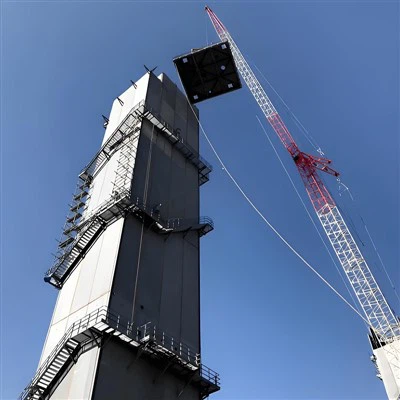
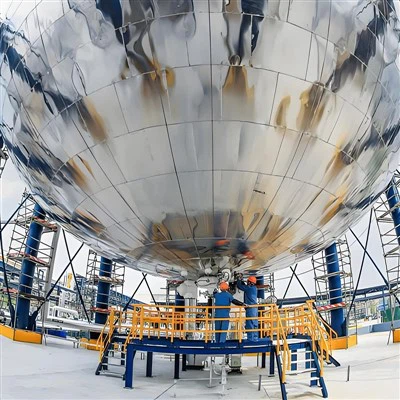
In the industrial landscape, air separation plants play a crucial role in producing essential gases such as oxygen, nitrogen, and argon. These gases are widely used in various sectors, including metallurgy, chemical processing, and healthcare. However, operating an air separation plant can be costly, involving significant energy consumption, maintenance, and raw material expenses. As an experienced Air Separation Plant supplier, I understand the importance of cost-saving measures for our clients. In this blog, I will share some effective strategies to reduce the operational costs of air separation plants.
Energy Efficiency Optimization
Energy consumption is one of the most significant cost factors in air separation plants. By improving energy efficiency, operators can achieve substantial savings. Here are some key measures:
Advanced Compression Technologies
Compression is a major energy-consuming process in air separation plants. Utilizing advanced compression technologies, such as variable frequency drives (VFDs), can optimize the compressor's operation. VFDs allow the compressor to adjust its speed according to the actual demand, reducing energy waste during periods of low production. Additionally, modern compressor designs with higher efficiency ratings can significantly lower energy consumption. For example, some new compressors are equipped with advanced control systems that can automatically adjust the compression ratio based on the inlet air conditions, ensuring optimal performance at all times.
Heat Recovery Systems
Air separation plants generate a large amount of heat during the compression and cooling processes. Installing heat recovery systems can capture this waste heat and reuse it for other purposes, such as preheating the inlet air or providing hot water for the plant's auxiliary systems. This not only reduces the energy required for heating but also decreases the load on the cooling systems. Heat exchangers are commonly used in heat recovery systems to transfer the heat from the hot process streams to the cold ones. By implementing an efficient heat recovery system, operators can save a considerable amount of energy and reduce their overall operating costs.
Process Optimization
Optimizing the overall process flow of the air separation plant can also lead to significant energy savings. This includes adjusting the operating parameters, such as pressure, temperature, and flow rate, to ensure the most efficient operation. For instance, by carefully controlling the distillation column's operating conditions, operators can improve the separation efficiency and reduce the energy required for the separation process. Additionally, using advanced simulation tools can help identify potential bottlenecks and optimize the process layout to minimize energy losses.
Maintenance and Equipment Management
Proper maintenance and equipment management are essential for ensuring the long-term reliability and efficiency of air separation plants. By implementing a proactive maintenance strategy, operators can prevent costly breakdowns and extend the lifespan of their equipment. Here are some key aspects to consider:
Regular Inspections and Preventive Maintenance
Scheduled inspections and preventive maintenance tasks are crucial for detecting potential issues early and preventing them from developing into major problems. This includes checking the equipment for wear and tear, lubricating moving parts, and replacing worn-out components. By following a comprehensive maintenance schedule, operators can minimize the risk of unexpected breakdowns and reduce the need for costly emergency repairs.
Equipment Upgrades and Retrofits
As technology advances, upgrading and retrofitting existing equipment can significantly improve its performance and energy efficiency. For example, replacing old control systems with more advanced ones can enhance the plant's automation and control capabilities, leading to better process optimization and energy savings. Additionally, upgrading the heat exchangers or distillation columns with more efficient designs can improve the separation efficiency and reduce energy consumption.
Spare Parts Management
Maintaining an adequate inventory of spare parts is essential for minimizing downtime in case of equipment failures. However, excessive inventory can also tie up capital and increase storage costs. Therefore, it is important to implement a proper spare parts management system that balances the need for availability with the cost of inventory. This includes forecasting the demand for spare parts based on the equipment's maintenance history and usage patterns, and establishing partnerships with reliable suppliers to ensure timely delivery.
Raw Material Management
The cost of raw materials, mainly air, can also have a significant impact on the overall operating costs of air separation plants. By managing the raw material consumption effectively, operators can reduce their costs and improve their profitability. Here are some strategies:
Air Quality Control
Ensuring the quality of the inlet air is crucial for the efficient operation of air separation plants. Contaminants such as dust, moisture, and hydrocarbons can damage the equipment and reduce the separation efficiency. Therefore, it is important to install proper air filtration and purification systems to remove these contaminants from the inlet air. This not only protects the equipment but also improves the product quality and reduces the energy required for the separation process.
Air Compression and Storage
Compressing and storing the inlet air can help reduce the energy consumption during peak demand periods. By using compressed air storage tanks, operators can store the excess air during off-peak hours and use it during peak hours, reducing the need for additional compression. Additionally, proper sizing and design of the air compression and storage systems are important to ensure optimal performance and energy efficiency.
Supplier Management
Establishing long-term partnerships with reliable air suppliers can help ensure a stable and cost-effective supply of raw materials. By negotiating favorable contracts and pricing terms, operators can reduce their raw material costs and improve their supply chain reliability. Additionally, working closely with the suppliers can help identify potential opportunities for cost savings, such as joint research and development projects to improve the air quality or reduce the energy consumption during the air supply process.
Training and Staff Development
Investing in the training and development of the plant's staff is also an important aspect of cost-saving. Well-trained operators are more likely to operate the plant efficiently, identify potential problems early, and implement the appropriate solutions. Here are some key areas to focus on:
Technical Training
Providing comprehensive technical training to the plant's operators and maintenance staff is essential for ensuring the proper operation and maintenance of the air separation plant. This includes training on the equipment's operation, maintenance, and troubleshooting procedures, as well as the latest industry standards and best practices. By improving the technical skills of the staff, operators can reduce the risk of equipment failures and improve the overall efficiency of the plant.
Safety Training
Safety is always a top priority in air separation plants. Providing regular safety training to the staff can help prevent accidents and ensure a safe working environment. This includes training on the proper use of personal protective equipment, emergency response procedures, and hazard identification. By promoting a safety culture in the plant, operators can reduce the risk of accidents and associated costs, such as medical expenses and production downtime.
Cost Awareness Training
Training the staff on cost awareness and management can also help them understand the importance of cost-saving measures and encourage them to actively participate in the cost-saving initiatives. This includes educating them on the plant's cost structure, the impact of their actions on the overall costs, and the potential cost-saving opportunities. By involving the staff in the cost-saving efforts, operators can create a more collaborative and cost-conscious work environment.
Conclusion
In conclusion, implementing cost-saving measures is essential for the long-term success and profitability of air separation plants. By focusing on energy efficiency optimization, maintenance and equipment management, raw material management, and training and staff development, operators can significantly reduce their operating costs and improve their competitiveness in the market. As an Air Separation Plant supplier, we are committed to providing our clients with the latest technologies and solutions to help them achieve their cost-saving goals. If you are interested in learning more about our Air Separation Plant, Merchant Air Separation Plants, or Modular Air Separation Unit, please feel free to contact us for a detailed discussion. We look forward to working with you to optimize your air separation plant's performance and reduce your operating costs.


References
- [1] Smith, J. (2018). Energy Efficiency in Air Separation Plants. Journal of Industrial and Engineering Chemistry Research, 57(12), 4567-4575.
- [2] Johnson, M. (2019). Maintenance Strategies for Air Separation Plants. Chemical Engineering Progress, 115(3), 67-73.
- [3] Brown, S. (2020). Raw Material Management in Air Separation Plants. International Journal of Chemical Engineering, 2020, 1-10.
- [4] Davis, R. (2021). Training and Staff Development for Air Separation Plants. Journal of Process Safety and Environmental Protection, 145, 234-241.