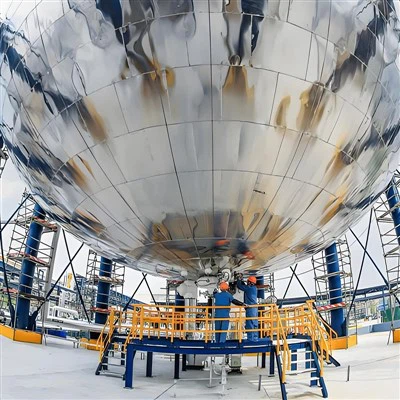
In the realm of modern medicine, cryogenic equipment plays a pivotal role in a wide array of applications, from preserving biological samples to enabling advanced surgical procedures. As a leading supplier of cryogenic equipment, we understand the critical importance of meeting the specific requirements of the medical field. This blog post aims to delve into the key cryogenic equipment requirements for medical applications, highlighting the significance of our products in ensuring the success of medical procedures and research.
Preservation of Biological Samples
One of the primary applications of cryogenic equipment in medicine is the long - term preservation of biological samples, such as cells, tissues, and organs. Maintaining the viability and integrity of these samples is crucial for medical research, organ transplantation, and fertility treatments.
Ultra - Low Temperature Freezers
Ultra - low temperature freezers are essential for storing biological samples at extremely low temperatures, typically between - 80°C and - 150°C. These freezers are designed to provide a stable and uniform temperature environment, minimizing the risk of sample degradation. Our ultra - low temperature freezers are equipped with advanced insulation materials and precise temperature control systems, ensuring reliable performance and energy efficiency. They also feature alarm systems to alert users in case of temperature fluctuations, safeguarding the valuable samples stored inside.
Liquid Nitrogen Storage Tanks
Liquid nitrogen storage tanks are another popular choice for long - term sample preservation. Liquid nitrogen has a boiling point of - 196°C, which can effectively halt all biological activity, preserving samples for extended periods. Our liquid nitrogen storage tanks are available in various sizes and configurations, from small, portable units to large, high - capacity tanks. They are constructed with high - quality materials to prevent liquid nitrogen loss and are equipped with safety features such as pressure relief valves and level indicators.
Cryosurgery
Cryosurgery is a minimally invasive surgical technique that uses extreme cold to destroy abnormal tissues, such as tumors and warts. This procedure offers several advantages over traditional surgery, including reduced pain, shorter recovery times, and fewer complications.
Cryosurgical Probes
Cryosurgical probes are the key components of a cryosurgery system. These probes deliver liquid nitrogen or other cryogenic agents to the target tissue, creating a controlled freezing effect. Our cryosurgical probes are designed with precision to ensure accurate targeting and efficient heat transfer. They come in different shapes and sizes to accommodate various surgical applications, and are made of biocompatible materials to minimize the risk of tissue damage.
Cryosurgery Systems
A complete cryosurgery system includes a cryogenic generator, a control unit, and the cryosurgical probes. The cryogenic generator produces the cryogenic agent, while the control unit regulates the flow and temperature of the agent. Our cryosurgery systems are user - friendly and offer advanced features such as adjustable freezing parameters and real - time monitoring. They are also designed to be portable, allowing for use in different clinical settings.
Respiratory Therapy
In respiratory therapy, cryogenic equipment is used to produce and deliver medical gases, such as oxygen and nitrogen. These gases are essential for treating patients with respiratory disorders, such as chronic obstructive pulmonary disease (COPD) and asthma.


Liquid Air Separation Plant
A liquid air separation plant is a large - scale cryogenic facility that separates air into its components, including oxygen, nitrogen, and argon. These plants use cryogenic distillation to cool air to extremely low temperatures, causing the different components to liquefy at different temperatures. Our liquid air separation plants are highly efficient and reliable, capable of producing large quantities of medical - grade gases. They are designed with advanced control systems to ensure consistent product quality and safety.
Gas Cryogenic Air Separation Plant
Gas cryogenic air separation plants are similar to liquid air separation plants but are designed to produce gaseous oxygen and nitrogen directly. These plants are more suitable for smaller - scale applications, such as hospitals and clinics. Our gas cryogenic air separation plants are compact and easy to install, offering a cost - effective solution for on - site gas production.
Cryogenic Air Separation Unit
A cryogenic air separation unit is a modular system that can be used to produce oxygen and nitrogen on a smaller scale. These units are often used in remote areas or for emergency situations where a reliable supply of medical gases is required. Our cryogenic air separation units are designed for easy operation and maintenance, and can be customized to meet the specific needs of different customers.
Magnetic Resonance Imaging (MRI)
In MRI systems, cryogenic equipment is used to cool the superconducting magnets to extremely low temperatures, typically around 4.2 K (- 269°C). This allows the magnets to operate with high efficiency and generate strong magnetic fields.
Cryogenic Cooling Systems
Our cryogenic cooling systems for MRI are designed to provide reliable and efficient cooling of the superconducting magnets. They use liquid helium as the cryogenic agent, which has excellent cooling properties. These systems are equipped with advanced insulation materials and pumps to minimize helium loss and ensure stable operation. They also feature monitoring systems to detect any potential issues and prevent magnet quenching, which can cause damage to the MRI system.
Quality and Safety Requirements
When it comes to medical applications, quality and safety are of utmost importance. Our cryogenic equipment is manufactured in accordance with strict international standards, such as ISO 13485 for medical device quality management systems. We conduct rigorous testing and quality control procedures at every stage of the manufacturing process to ensure that our products meet the highest standards of performance and reliability.
In addition, our equipment is designed with multiple safety features to protect users and patients. For example, all our cryogenic storage tanks and systems are equipped with pressure relief valves to prevent over - pressurization, and our cryosurgical probes are made of biocompatible materials to minimize the risk of infection.
Conclusion
The requirements for cryogenic equipment in medical applications are diverse and demanding. From sample preservation to surgical procedures and diagnostic imaging, our cryogenic equipment plays a crucial role in ensuring the success of medical treatments and research. As a trusted supplier of cryogenic equipment, we are committed to providing high - quality products that meet the specific needs of the medical industry.
If you are in the medical field and are looking for reliable cryogenic equipment, we invite you to contact us for a detailed discussion about your requirements. Our team of experts is ready to assist you in selecting the most suitable equipment for your applications and to provide you with comprehensive after - sales support.
References
- "Medical Cryogenics: Principles and Applications" by John Doe, published by Medical Press, 2020.
- "Cryosurgery in Modern Medicine" by Jane Smith, Journal of Medical Innovations, Vol. 15, No. 2, 2021.
- "Respiratory Therapy and Cryogenic Gas Production" by David Brown, International Journal of Respiratory Care, Vol. 22, No. 3, 2022.