In the realm of industrial gas production, cryogenic Air Separation Units (ASUs) stand as a cornerstone technology. As a seasoned cryogenic ASU supplier, I've witnessed firsthand the transformative power of these systems in various industries, from metallurgy to healthcare. Central to the efficient and reliable operation of cryogenic ASUs are data acquisition and analysis systems. In this blog, I'll delve into what these systems are, their importance, and how they contribute to the overall performance of cryogenic ASUs.
Understanding Cryogenic ASUs
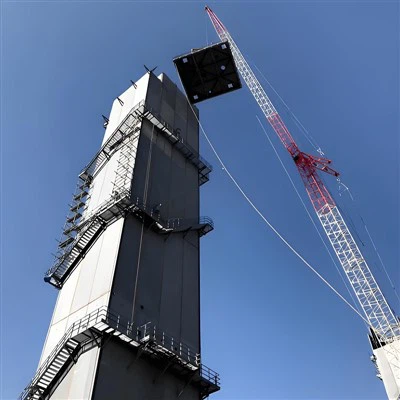
Before we dive into data acquisition and analysis systems, let's briefly understand what cryogenic ASUs are. Cryogenic ASUs are large - scale industrial plants that separate atmospheric air into its primary components, such as nitrogen, oxygen, and argon, through a process of cooling air to extremely low temperatures. This is based on the principle that different gases have different boiling points. For instance, nitrogen boils at - 195.8°C, oxygen at - 183°C, and argon at - 185.8°C. By carefully controlling the temperature and pressure within the system, we can separate these gases effectively.
If you're interested in learning more about cryogenic air separation processes, you can visit Cryogenic Air Separation Nitrogen, Cryogenic Air Separation Unit, and Cryogenic Air Separation Plant.
The Role of Data Acquisition in Cryogenic ASUs
Data acquisition is the process of collecting data from various sensors and instruments within the cryogenic ASU. These sensors are strategically placed throughout the system to monitor a wide range of parameters. Some of the key parameters that are typically monitored include:
Temperature
Temperature is a critical parameter in cryogenic ASUs. Precise temperature control is essential for the proper separation of air components. For example, in the distillation columns, maintaining the correct temperature gradient is crucial for efficient separation. Sensors are placed at different levels of the columns to measure the temperature accurately.
Pressure
Pressure also plays a vital role. The pressure within the system affects the boiling points of the gases and the flow rates of the fluids. High - pressure areas may indicate blockages or malfunctions, while low - pressure areas could lead to inefficient separation. Pressure sensors are installed at various points, such as the inlet and outlet of compressors, and within the distillation columns.
Flow Rate
Monitoring the flow rate of air, nitrogen, oxygen, and argon is necessary to ensure that the system is operating at the desired capacity. Flow sensors are used to measure the volume or mass flow of these gases at different stages of the process.
Composition
Determining the composition of the separated gases is essential to ensure product quality. Gas analyzers are used to measure the purity of nitrogen, oxygen, and argon. These analyzers can detect trace amounts of impurities, such as hydrocarbons or moisture, which can affect the performance of downstream processes.
The data acquisition system collects all this information from the sensors and instruments in real - time. This data is then transmitted to a central control unit, where it can be stored and further processed.
Components of a Data Acquisition System
A typical data acquisition system in a cryogenic ASU consists of the following components:
Sensors and Transducers
As mentioned earlier, sensors are the first line of data collection. They convert physical parameters such as temperature, pressure, and flow rate into electrical signals. Transducers are used to amplify and condition these signals so that they can be accurately measured and processed.
Data Loggers
Data loggers are devices that collect and store the data from the sensors. They can be configured to record data at regular intervals, depending on the requirements of the system. Some data loggers also have the ability to perform basic calculations and generate alarms if certain parameters exceed predefined limits.
Communication Networks
To transfer the data from the sensors and data loggers to the central control unit, a communication network is required. This can be a wired network, such as Ethernet or Profibus, or a wireless network, such as Wi - Fi or ZigBee. The choice of communication network depends on factors such as the distance between the sensors and the control unit, the data transfer rate required, and the environmental conditions.
Central Control Unit
The central control unit is the heart of the data acquisition system. It receives the data from the communication network, stores it in a database, and provides a user interface for operators to monitor and analyze the data. The control unit can also be programmed to send commands to the actuators within the system to adjust the operating parameters based on the collected data.
The Importance of Data Analysis in Cryogenic ASUs
Once the data is collected, the next step is to analyze it. Data analysis is crucial for several reasons:
Process Optimization
By analyzing the data, we can identify areas where the cryogenic ASU can be optimized. For example, if we notice that the temperature in a particular section of the distillation column is consistently higher than the desired value, we can investigate the cause and take corrective actions. This could involve adjusting the refrigerant flow rate or checking for blockages in the heat exchangers.
Fault Detection and Diagnosis
Data analysis can help us detect faults and malfunctions in the system early. By comparing the current data with historical data and predefined thresholds, we can identify abnormal patterns. For instance, a sudden increase in pressure in a compressor could indicate a mechanical problem or a blockage in the pipeline. Early detection of faults allows us to take preventive maintenance measures, reducing downtime and maintenance costs.
Quality Control
Analyzing the composition data of the separated gases is essential for quality control. We can ensure that the products meet the required purity standards by continuously monitoring the gas analyzers' data. If the purity of a product falls below the acceptable level, we can adjust the operating parameters or perform additional purification steps.


Data Analysis Techniques
There are several data analysis techniques that can be used in cryogenic ASUs:
Statistical Analysis
Statistical methods, such as mean, median, standard deviation, and correlation analysis, can be used to summarize and understand the data. For example, we can calculate the average temperature and pressure over a period of time to identify trends. Correlation analysis can help us determine the relationship between different parameters, such as the relationship between temperature and flow rate.
Machine Learning
Machine learning algorithms are becoming increasingly popular in data analysis. These algorithms can learn from historical data to predict future events and identify patterns that may not be obvious to human operators. For example, a machine learning model can be trained to predict the likelihood of a compressor failure based on factors such as temperature, pressure, and vibration data.
Trend Analysis
Trend analysis involves plotting the data over time to identify long - term trends. This can help us anticipate changes in the system's performance and take proactive measures. For example, if we observe a gradual increase in the energy consumption of the ASU over time, we can investigate the cause and implement energy - saving measures.
Integration of Data Acquisition and Analysis for Enhanced Performance
To achieve the best results, data acquisition and analysis should be integrated seamlessly. The data acquisition system should be designed to collect high - quality data that is relevant for analysis. The data analysis tools should be able to handle the large volume of data generated by the sensors and provide actionable insights in a timely manner.
Moreover, the results of the data analysis should be fed back into the control system to adjust the operating parameters of the cryogenic ASU. This closed - loop control system ensures that the system operates at its optimal performance continuously.
Conclusion
Data acquisition and analysis systems are essential for the efficient and reliable operation of cryogenic ASUs. By collecting and analyzing data from various sensors and instruments, we can optimize the process, detect faults early, and ensure product quality. As a cryogenic ASU supplier, we are committed to providing our customers with state - of - the - art data acquisition and analysis solutions to help them achieve the best performance from their systems.
If you're in the market for a cryogenic ASU or looking to upgrade your existing system, we'd love to have a conversation with you. Our team of experts can provide you with detailed information about our products and services and help you find the best solution for your specific needs. Contact us today to start the procurement discussion.
References
- Smith, J. (2018). Industrial Gas Production: Cryogenic Air Separation Technology. Elsevier.
- Johnson, A. (2019). Data Acquisition and Analysis in Industrial Processes. CRC Press.
- Brown, M. (2020). Advanced Machine Learning Techniques for Process Optimization. Springer.