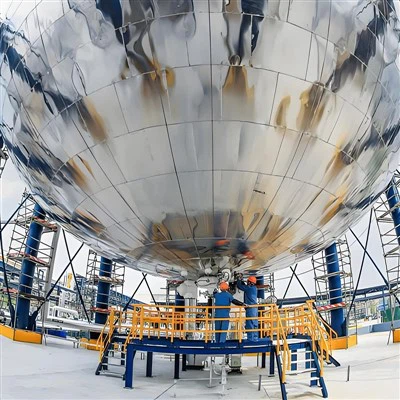
As a supplier of Carbon Capture Plants, I've witnessed firsthand the critical role that data management plays in the efficient and effective operation of these facilities. Carbon capture technology is a vital component in the global effort to mitigate climate change by reducing greenhouse gas emissions. To ensure the optimal performance of carbon capture plants, specific data management requirements must be met.
1. Data Collection
The first step in data management for a carbon capture plant is the collection of relevant data. This includes data from various sources within the plant, such as sensors installed in different parts of the capture process. For example, sensors can measure the concentration of carbon dioxide in the incoming flue gas, the temperature and pressure at different stages of the separation process, and the flow rates of various substances.


In addition to internal sensor data, external data sources are also important. Weather data can impact the performance of the carbon capture plant, especially if it relies on certain environmental conditions for its operation. Economic data, such as the price of energy and the cost of carbon credits, can also influence the plant's profitability.
Moreover, data related to the quality of the feedstock, such as the composition of the flue gas, is crucial. This data helps in determining the most appropriate capture method and the efficiency of the plant. For instance, if the flue gas contains high levels of impurities, it may require additional pre - treatment steps, and this information needs to be accurately collected and recorded.
2. Data Storage
Once the data is collected, it needs to be stored securely and efficiently. A carbon capture plant generates a large volume of data on a continuous basis, and a reliable storage system is essential. There are several options for data storage, including on - premise servers and cloud - based storage solutions.
On - premise servers offer more control over the data, which is important for companies that have strict security and compliance requirements. However, they require significant upfront investment in hardware and maintenance. Cloud - based storage, on the other hand, is more flexible and scalable. It allows the plant to easily adjust its storage capacity based on the volume of data generated.
Regardless of the storage option chosen, data redundancy is a must. Multiple copies of the data should be stored in different locations to prevent data loss in case of a hardware failure or a natural disaster. For example, a carbon capture plant could store its data on a local server and also back it up to a cloud - based storage provider.
3. Data Quality Management
Ensuring the quality of the data is of utmost importance. Inaccurate or incomplete data can lead to incorrect decisions and reduced plant performance. Data quality management involves several processes, such as data validation, cleansing, and enrichment.
Data validation checks the integrity of the data against predefined rules. For example, if a sensor is supposed to measure the temperature within a certain range, any data outside of this range can be flagged as invalid. Data cleansing involves removing or correcting errors, such as missing values or inconsistent data formats. Enrichment, on the other hand, involves adding additional information to the existing data to make it more useful.
Regular audits of the data quality should be conducted to identify and address any issues promptly. This can involve comparing the data collected from different sensors to ensure consistency and cross - referencing the data with external sources.
4. Data Analysis
Data analysis is the heart of data management in a carbon capture plant. It helps in understanding the performance of the plant, identifying areas for improvement, and predicting future trends. There are various types of data analysis techniques that can be applied, including descriptive, diagnostic, predictive, and prescriptive analytics.
Descriptive analytics provides a summary of the data, such as the average concentration of carbon dioxide over a certain period. Diagnostic analytics helps in understanding why certain events occurred, for example, why the capture efficiency dropped suddenly. Predictive analytics uses historical data to forecast future events, such as the future demand for carbon credits. Prescriptive analytics goes a step further and provides recommendations on what actions should be taken to optimize the plant's performance.
Advanced analytics tools, such as machine learning algorithms, can be used to analyze the complex data generated by a carbon capture plant. These algorithms can identify patterns and relationships in the data that may not be apparent to human analysts. For example, machine learning can be used to predict the optimal operating conditions for the Co2 Air Separation Unit based on historical data.
5. Data Security
Data security is a major concern for carbon capture plants. The data collected by these plants often contains sensitive information, such as the plant's operating parameters, financial data, and proprietary technologies. Protecting this data from unauthorized access, use, and disclosure is essential.
A comprehensive data security strategy should be in place, which includes measures such as access control, encryption, and regular security audits. Access control ensures that only authorized personnel can access the data, and different levels of access can be assigned based on the employee's role. Encryption is used to protect the data both in transit and at rest. For example, data transmitted between sensors and the central server can be encrypted to prevent interception.
Regular security audits help in identifying and addressing any vulnerabilities in the data security system. These audits can be conducted internally or by third - party security experts.
6. Data Governance
Data governance is the framework that ensures the proper management of data within the organization. It includes policies, procedures, and standards for data management. A well - defined data governance framework helps in ensuring data consistency, compliance, and accountability.
Data governance policies should define who is responsible for different aspects of data management, such as data collection, storage, and analysis. It should also specify the rules for data sharing within the organization and with external partners. For example, if the carbon capture plant is part of a larger industrial complex, data sharing policies need to be established to ensure that the data is used appropriately.
Compliance with relevant regulations is also an important aspect of data governance. Carbon capture plants may be subject to various environmental and data protection regulations, and the data governance framework should ensure that the plant complies with these regulations.
7. Integration with Business Processes
Data management in a carbon capture plant should be integrated with the overall business processes. The data collected and analyzed should be used to support decision - making at all levels of the organization. For example, the data on capture efficiency can be used by the operations team to optimize the plant's performance, while the financial data can be used by the management team to make strategic decisions.
The data can also be used to improve the plant's relationship with its customers. For example, if the Carbon Dioxide Factory supplies carbon dioxide to other industries, the data on the quality and quantity of the product can be shared with the customers to build trust and improve customer satisfaction.
8. Real - Time Monitoring
Real - time monitoring of the data is crucial for the safe and efficient operation of a carbon capture plant. By continuously monitoring the data from sensors, any abnormal conditions can be detected immediately, and corrective actions can be taken promptly.
For example, if the pressure in a certain part of the Carbon Dioxide Manufacturing Plant exceeds the safe limit, an alarm can be triggered, and the operators can take steps to reduce the pressure. Real - time monitoring also helps in optimizing the plant's performance by adjusting the operating parameters in response to changing conditions.
Conclusion
In conclusion, the data management requirements for a carbon capture plant are complex and multifaceted. From data collection to real - time monitoring, each step plays a crucial role in ensuring the optimal performance of the plant. As a supplier of carbon capture plants, we understand the importance of meeting these requirements and are committed to providing our customers with the best - in - class solutions.
If you are interested in learning more about our carbon capture plants and how our data management solutions can benefit your operations, we invite you to contact us for a procurement discussion. We are ready to work with you to achieve your carbon reduction goals and contribute to a more sustainable future.
References
- IPCC (Intergovernmental Panel on Climate Change). Climate Change 2022: Mitigation of Climate Change.
- DOE (Department of Energy). Carbon Capture, Utilization, and Storage Program Reports.
- Industry reports on carbon capture technology and data management best practices.