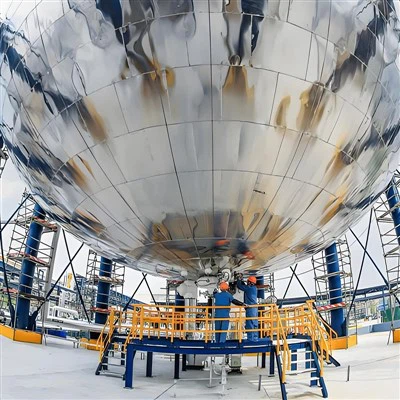
Energy consumption is a critical factor in the operation of oxygen plants, significantly impacting both operational costs and environmental sustainability. As a supplier of cryogenic oxygen plants, I've witnessed firsthand the importance of understanding the differences in energy consumption between cryogenic and Pressure Swing Adsorption (PSA) oxygen plants. This blog post aims to explore these differences in detail, providing valuable insights for those considering investing in an oxygen generation system.
Understanding Cryogenic and PSA Oxygen Plants
Before delving into the energy consumption differences, it's essential to understand the basic principles behind cryogenic and PSA oxygen plants.
Cryogenic oxygen plants operate on the principle of cryogenic distillation, which involves cooling air to extremely low temperatures (-170°C to -200°C) until it liquefies. The liquid air is then separated into its components, such as oxygen, nitrogen, and argon, based on their different boiling points. This process requires sophisticated equipment, including compressors, heat exchangers, and distillation columns, to achieve and maintain the necessary low temperatures. You can learn more about cryogenic oxygen plants through our Cryogenic Oxygen Generator page.
On the other hand, PSA oxygen plants use a process called Pressure Swing Adsorption. In this method, air is passed through a bed of adsorbent material, typically zeolite, which selectively adsorbs nitrogen at high pressure. The remaining oxygen is collected as the product gas. When the adsorbent bed becomes saturated with nitrogen, the pressure is reduced, and the nitrogen is desorbed, allowing the bed to be regenerated for the next cycle.
Energy Consumption Factors in Cryogenic Oxygen Plants
Cryogenic oxygen plants are known for their high energy consumption, primarily due to the following factors:
Compression
The first step in the cryogenic process is to compress the incoming air to high pressures, usually around 5 - 10 bar. Compression requires a significant amount of energy, as the air needs to be pressurized to a level suitable for subsequent cooling and liquefaction. The power consumption of the compressor depends on the flow rate and pressure ratio, with larger plants generally requiring more powerful compressors.
Cooling
Once the air is compressed, it needs to be cooled to extremely low temperatures. This is achieved through a series of heat exchangers and refrigeration systems. The cooling process is energy-intensive because it involves removing a large amount of heat from the air. Additionally, maintaining the low temperatures in the distillation columns requires continuous refrigeration, which further contributes to the overall energy consumption.


Distillation
The distillation process, which separates the liquefied air into its components, also consumes energy. The distillation columns need to be maintained at specific temperature and pressure conditions to ensure efficient separation. This requires continuous energy input to control the temperature gradients and maintain the proper flow rates within the columns.
Our Air Separation Unit Electronic Grade Nitrogen For Semiconductor Manufacturing page provides more in - depth information on the complex air separation processes involved in cryogenic plants.
Energy Consumption Factors in PSA Oxygen Plants
PSA oxygen plants generally have lower energy consumption compared to cryogenic plants, mainly because of the following reasons:
Compression
Similar to cryogenic plants, PSA plants also require air compression. However, the pressure requirements are typically lower, usually in the range of 3 - 7 bar. As a result, the power consumption of the compressor in a PSA plant is generally less than that in a cryogenic plant.
Adsorption and Desorption
The adsorption and desorption processes in PSA plants are relatively energy - efficient. The energy required for nitrogen adsorption is mainly associated with the initial compression of the air. During the desorption phase, the pressure is simply reduced, and the nitrogen is released from the adsorbent bed without the need for additional energy - intensive processes like cooling or distillation.
Comparing Energy Consumption
When comparing the energy consumption of cryogenic and PSA oxygen plants, it's important to consider the scale of production and the required purity of the oxygen.
Small - Scale Production
For small - scale oxygen production (up to a few hundred cubic meters per hour), PSA oxygen plants are often the more energy - efficient option. Their lower pressure requirements and simpler process result in lower overall energy consumption. Additionally, PSA plants can be started up and shut down quickly, making them suitable for applications where oxygen demand is intermittent.
Large - Scale Production
In large - scale oxygen production (thousands of cubic meters per hour), cryogenic oxygen plants are more commonly used, despite their higher energy consumption. This is because cryogenic plants can produce oxygen with very high purity levels (up to 99.5% or more), which is often required in industries such as steelmaking, chemical production, and healthcare. The economies of scale also play a role, as the energy consumption per unit of oxygen produced in a large cryogenic plant can be more competitive compared to multiple small - scale PSA plants. Our Cryogenic Liquid Oxygen Gas Plant is designed for large - scale, high - purity oxygen production.
Impact on Operational Costs
The difference in energy consumption directly affects the operational costs of cryogenic and PSA oxygen plants. Higher energy consumption in cryogenic plants means higher electricity bills, which can be a significant expense over the long term. However, in applications where high - purity oxygen is required, the benefits of cryogenic plants, such as better product quality and higher production capacity, may outweigh the higher energy costs.
On the other hand, PSA plants offer lower operational costs in terms of energy, but they may have limitations in terms of purity and production capacity. It's crucial for potential buyers to carefully evaluate their oxygen requirements and conduct a cost - benefit analysis to determine the most suitable option for their specific needs.
Environmental Considerations
Energy consumption also has environmental implications. Higher energy consumption in cryogenic plants generally means a larger carbon footprint, as most electricity is generated from fossil fuels. PSA plants, with their lower energy consumption, are more environmentally friendly in this regard. However, it's important to note that the overall environmental impact also depends on factors such as the source of electricity and the end - use of the oxygen.
Conclusion and Call to Action
In conclusion, the energy consumption differences between cryogenic and PSA oxygen plants are significant and depend on various factors such as production scale, oxygen purity requirements, and operational characteristics. As a cryogenic oxygen plant supplier, we understand the unique needs of different industries and can provide customized solutions to meet your specific requirements.
If you're considering investing in an oxygen plant, we encourage you to contact us for a detailed consultation. Our team of experts can help you evaluate the energy consumption and operational costs of different options, ensuring that you make an informed decision. Whether you need a large - scale cryogenic plant for high - purity oxygen production or a small - scale PSA plant for intermittent use, we have the expertise and products to meet your needs.
References
- Perry, R. H., & Green, D. W. (1997). Perry's Chemical Engineers' Handbook. McGraw - Hill.
- Kohl, A. L., & Nielsen, R. B. (1997). Gas Purification. Gulf Publishing Company.