Hey there! I'm a supplier of Cryogenic Gas Plants, and today I wanna talk about the fire protection measures in a cryogenic gas plant. As someone who's been in this industry for a while, I know how crucial it is to have proper fire safety in place.
First off, let's understand what a cryogenic gas plant is. A Cryogenic Gas Plant deals with gases that are extremely cold, usually below -150°C. These plants are used to produce and store gases like nitrogen, oxygen, and argon. The cold temperatures and the nature of these gases pose unique challenges when it comes to fire protection.
One of the primary fire hazards in a cryogenic gas plant is the presence of flammable gases. For example, hydrogen, which can be present in some cryogenic processes, is highly flammable. Even a small spark can ignite it, leading to a potentially catastrophic fire or explosion. So, the first step in fire protection is to identify all the potential sources of flammable gases. This involves regular inspections of the plant's equipment, pipes, and storage tanks. Any leaks or potential leak points need to be fixed immediately.
Another important aspect is ventilation. Good ventilation helps to disperse any flammable gases that might be released. In a cryogenic gas plant, the ventilation system should be designed to handle the specific requirements of the plant. It should be able to remove any flammable vapors from the work area and prevent them from accumulating. This can be achieved through the use of exhaust fans, vents, and air circulation systems.
Fire detection systems are also a must in a cryogenic gas plant. There are different types of fire detectors that can be used, such as smoke detectors, heat detectors, and gas detectors. Smoke detectors are great for detecting the early stages of a fire, while heat detectors can sense an increase in temperature. Gas detectors, on the other hand, are specifically designed to detect the presence of flammable gases. These detectors should be installed in strategic locations throughout the plant, including near storage tanks, processing areas, and control rooms.
Once a fire is detected, it's important to have an effective fire suppression system in place. There are several types of fire suppression systems that can be used in a cryogenic gas plant. One common type is a water - based fire suppression system. However, in a cryogenic environment, water can freeze, so special considerations need to be taken. Another option is a dry chemical fire suppression system. Dry chemicals can quickly extinguish a fire by interrupting the chemical reaction that sustains it. Carbon dioxide (CO2) fire suppression systems are also popular in cryogenic gas plants. CO2 works by displacing oxygen, which is necessary for a fire to burn.
In addition to these technical measures, employee training is also crucial. All employees working in the cryogenic gas plant should be trained on fire safety procedures. They should know how to use the fire detection and suppression systems, as well as how to evacuate the plant in case of a fire. Regular fire drills should be conducted to ensure that everyone knows what to do in an emergency.
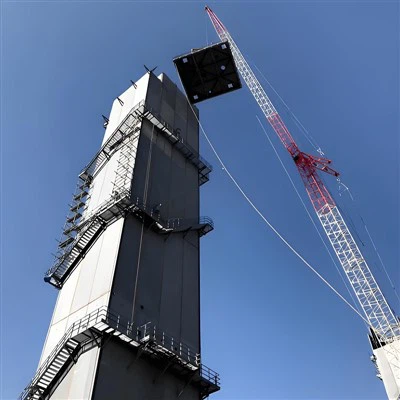
Let's take a closer look at some of the specific equipment used in a cryogenic gas plant and how fire protection applies to them. A Cryogenic Nitrogen Generation Plant is a key part of many cryogenic gas operations. These plants use a process called cryogenic distillation to separate nitrogen from air. The equipment in these plants, such as compressors, heat exchangers, and distillation columns, need to be protected from fire.


Compressors are a critical component in a cryogenic nitrogen generation plant. They compress the air or gas, which can generate heat. If the compressor overheats, it can pose a fire risk. To prevent this, compressors should be equipped with temperature sensors and cooling systems. Regular maintenance of the compressors is also essential to ensure that they are operating safely.
Heat exchangers are used to transfer heat between different fluids in the plant. They need to be inspected regularly for any signs of damage or leaks. If a heat exchanger fails, it can release hot fluids or gases, which could potentially start a fire.
Distillation columns are used to separate the different components of the gas mixture. These columns operate at high pressures and temperatures, so they need to be carefully monitored. Any signs of abnormal pressure or temperature should be investigated immediately.
A Cryogenic Nitrogen Generator is another important piece of equipment. These generators produce nitrogen on - site, which is often used for various industrial applications. Like the other equipment in the plant, cryogenic nitrogen generators need to be protected from fire. This includes having proper ventilation around the generator, as well as installing fire detectors and suppression systems nearby.
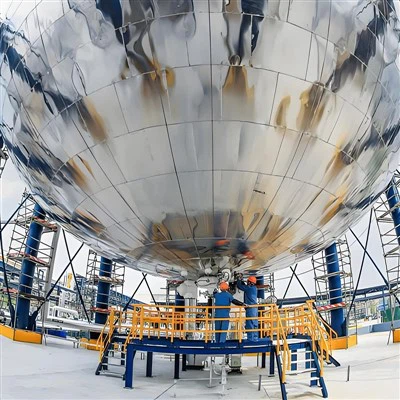
When it comes to storage of cryogenic gases, special precautions are needed. Storage tanks should be located in areas that are well - ventilated and away from potential sources of ignition. They should also be equipped with pressure relief valves to prevent over - pressurization. Regular inspections of the storage tanks are necessary to check for any signs of corrosion or damage.
In conclusion, fire protection in a cryogenic gas plant is a complex but essential task. It involves a combination of technical measures, such as fire detection and suppression systems, ventilation, and equipment maintenance, as well as employee training. By implementing these measures, we can significantly reduce the risk of fire and ensure the safety of the plant and its employees.
If you're in the market for a Cryogenic Gas Plant or have any questions about fire protection in these plants, I'd love to have a chat. Whether you're looking to upgrade your existing plant or build a new one, I can provide you with the right solutions and advice. Don't hesitate to reach out and start a conversation about your specific needs.
References
- NFPA 55: Compressed Gases and Cryogenic Fluids Code
- OSHA regulations related to cryogenic gas plants and fire safety