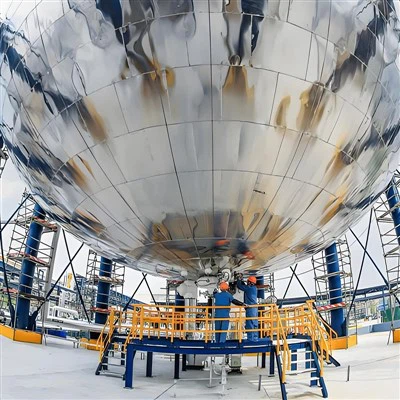
Hey there! As a supplier of CO2 recovery plants, I've seen firsthand the growing importance of energy efficiency in this industry. With the increasing focus on sustainability and cost - effectiveness, improving the energy efficiency of a CO2 recovery plant is not just a nice - to - have; it's a must. In this blog, I'll share some practical tips on how you can make your CO2 recovery plant more energy - efficient.
1. Optimize the Separation Process
The separation of CO2 from other gases is one of the most energy - intensive steps in a CO2 recovery plant. To optimize this process, we need to look at the choice of separation technology. For instance, membrane separation is a relatively energy - efficient option compared to traditional amine - based absorption. Membranes can selectively separate CO2 based on its permeability through the membrane material. This process requires less energy because it doesn't involve the heating and cooling cycles associated with amine regeneration in absorption processes.
Another aspect is to ensure that the separation equipment is properly sized and maintained. An oversized separation unit will consume more energy than necessary, while a unit that is too small may not be able to handle the gas flow efficiently, leading to increased energy consumption to compensate. Regular maintenance, such as cleaning filters and checking for leaks in the separation equipment, can also improve its performance and reduce energy waste. You can learn more about different separation technologies in a Carbon Dioxide Capture Plant.
2. Heat Integration
Heat is a valuable resource in a CO2 recovery plant, and efficient heat integration can significantly reduce energy consumption. In a typical plant, there are processes that generate heat and others that require heat. By using heat exchangers, we can transfer the heat from the hot streams to the cold ones, thus reducing the need for external heating and cooling.
For example, the heat generated during the compression of CO2 can be used to pre - heat the feed gas before it enters the separation unit. This not only saves energy but also improves the overall efficiency of the plant. Additionally, waste heat from other parts of the plant, such as the exhaust gases from the boilers, can be recovered and used for other processes, like heating water or generating steam.
When designing a heat integration system, it's important to consider the temperature differences between the hot and cold streams and the flow rates. A well - designed heat exchanger network can maximize the heat transfer and minimize the energy losses. You can find more information on heat integration in a Co2 Factory.
3. Compression Optimization
Compression is another major energy - consuming process in a CO2 recovery plant. To optimize compression, we can start by choosing the right type of compressor. There are different types of compressors available, such as centrifugal compressors and reciprocating compressors, each with its own advantages and disadvantages in terms of energy efficiency.
Centrifugal compressors are generally more suitable for large - scale applications with high flow rates, while reciprocating compressors are better for small - to - medium - scale applications with variable flow rates. In addition to choosing the right compressor, we can also optimize the compression process itself. For example, using multi - stage compression with inter - cooling can reduce the energy required for compression. Inter - cooling between stages cools the gas, reducing its volume and thus the work required for the next stage of compression.
Regular maintenance of the compressors, including checking the lubrication system, the seals, and the alignment of the components, is also crucial for maintaining their energy efficiency. A poorly maintained compressor can consume significantly more energy than a well - maintained one. You can explore different compression options in a Commercial CO2 Capture Plant.
4. Automation and Control Systems
Implementing advanced automation and control systems can greatly improve the energy efficiency of a CO2 recovery plant. These systems can monitor the key parameters of the plant, such as temperature, pressure, flow rate, and composition, in real - time and adjust the operation of the equipment accordingly.
For example, an automated control system can adjust the speed of the compressors based on the actual gas flow rate, ensuring that they operate at their optimal efficiency point. It can also control the opening and closing of valves to optimize the flow of gases and liquids through the plant, reducing energy losses due to unnecessary pressure drops.
Moreover, automation can help in detecting and diagnosing problems early. For instance, if a sensor detects a sudden increase in energy consumption in a particular part of the plant, the control system can alert the operators, who can then investigate and fix the issue before it leads to more significant energy waste.
5. Employee Training
Last but not least, well - trained employees play a vital role in improving the energy efficiency of a CO2 recovery plant. They need to understand the importance of energy conservation and how their actions can impact the plant's energy consumption.


Training programs should cover topics such as proper operation of the equipment, energy - saving techniques, and how to identify and report energy - related problems. For example, employees should be trained on how to start and stop the equipment correctly to avoid unnecessary energy spikes. They should also be aware of the best practices for maintaining the equipment to ensure its energy efficiency.
By involving employees in the energy - saving efforts, we can create a culture of energy conservation in the plant, which can lead to long - term improvements in energy efficiency.
In conclusion, improving the energy efficiency of a CO2 recovery plant requires a comprehensive approach that includes optimizing the separation process, heat integration, compression, implementing automation and control systems, and training employees. By taking these steps, you can not only reduce your plant's energy consumption and operating costs but also contribute to a more sustainable future.
If you're interested in learning more about our CO2 recovery plants or have any questions about improving energy efficiency, feel free to reach out to us for a purchase negotiation. We're here to help you make your plant more energy - efficient and profitable.
References
- Smith, J. (2020). Energy - efficient technologies for CO2 recovery plants. Journal of Sustainable Energy, 15(2), 123 - 135.
- Johnson, A. (2021). Heat integration in industrial processes. Chemical Engineering Review, 22(3), 89 - 98.
- Brown, C. (2019). Compression optimization in gas processing plants. Gas Processing Journal, 18(4), 67 - 75.