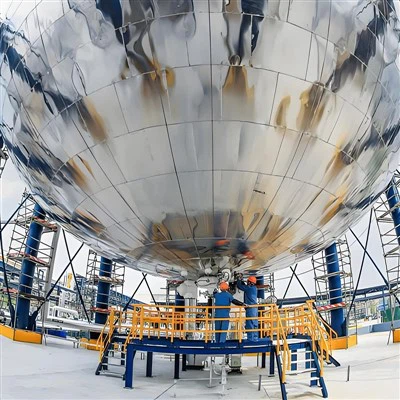
As a seasoned supplier of cryogenic equipment, I've witnessed firsthand the critical importance of proper storage for these specialized systems. Cryogenic equipment, designed to handle extremely low temperatures, demands meticulous attention to storage conditions to ensure its performance, longevity, and safety. In this blog, I'll delve into the key storage requirements for cryogenic equipment, drawing on my years of experience in the industry.
Temperature and Humidity Control
One of the primary considerations when storing cryogenic equipment is maintaining the appropriate temperature and humidity levels. Cryogenic equipment is engineered to operate at extremely low temperatures, often below -150°C (-238°F). Therefore, it's essential to store these systems in an environment that can prevent excessive heat or moisture from compromising their integrity.
Temperature
The ideal storage temperature for cryogenic equipment typically ranges from -20°C to 20°C (-4°F to 68°F). This temperature range helps to prevent thermal stress on the equipment and minimizes the risk of damage caused by extreme temperature fluctuations. In colder climates, it may be necessary to provide additional heating to maintain the recommended temperature range. Conversely, in warmer climates, proper ventilation and air conditioning may be required to prevent overheating.
Humidity
Humidity control is equally important when storing cryogenic equipment. High humidity levels can lead to corrosion, rust, and the formation of ice on the equipment's surfaces, which can impair its performance and cause damage over time. To prevent these issues, it's recommended to store cryogenic equipment in an environment with a relative humidity level of less than 60%. Dehumidifiers can be used to maintain the desired humidity level, especially in areas with high humidity.
Storage Location
The location where cryogenic equipment is stored plays a crucial role in its protection and performance. When selecting a storage location, consider the following factors:
Ventilation
Proper ventilation is essential to prevent the accumulation of hazardous gases and vapors that may be released from the cryogenic equipment. Ensure that the storage area is well-ventilated and has adequate exhaust systems to remove any potentially harmful substances. Avoid storing cryogenic equipment in confined spaces or areas with poor air circulation.


Accessibility
The storage location should be easily accessible for maintenance, inspection, and retrieval of the equipment. Ensure that there is sufficient space around the equipment to allow for easy movement and access to all components. Additionally, consider the proximity of the storage location to emergency exits and fire suppression systems in case of an emergency.
Protection from Physical Damage
Cryogenic equipment is often large, heavy, and fragile, making it susceptible to physical damage during storage. To prevent damage, store the equipment in a secure location that is protected from impact, vibration, and other physical hazards. Use appropriate storage racks, pallets, or containers to support and protect the equipment. Additionally, ensure that the storage area is free from any sharp objects or debris that could scratch or damage the equipment.
Cleaning and Maintenance
Regular cleaning and maintenance are essential to ensure the optimal performance and longevity of cryogenic equipment. Before storing the equipment, it's important to clean it thoroughly to remove any dirt, debris, or contaminants that may have accumulated during use. Use appropriate cleaning agents and techniques recommended by the equipment manufacturer to avoid damaging the equipment.
Inspection
In addition to cleaning, it's important to conduct a thorough inspection of the cryogenic equipment before storage. Check for any signs of damage, wear, or corrosion, and address any issues immediately. Inspect all components, including valves, seals, gaskets, and piping, to ensure they are in good working condition. Additionally, check the equipment's documentation and records to ensure that all maintenance and inspection requirements have been met.
Lubrication
Proper lubrication is essential to prevent friction and wear on the moving parts of cryogenic equipment. Before storing the equipment, ensure that all lubrication points are properly lubricated according to the manufacturer's recommendations. Use high-quality lubricants that are suitable for use at low temperatures to ensure optimal performance.
Storage Containers and Packaging
When storing cryogenic equipment, it's important to use appropriate storage containers and packaging to protect the equipment from damage and contamination. The type of storage container and packaging used will depend on the size, shape, and weight of the equipment, as well as the storage environment.
Containers
For smaller cryogenic equipment, such as valves, regulators, and sensors, it's recommended to use sealed plastic containers or bags to protect them from dust, moisture, and other contaminants. Larger equipment, such as Liquid Air Separation Plant, Cryogenic Air Separation Plant, and Cryogenic Air Separation Unit, may require custom-made storage containers or crates to provide adequate protection during storage and transportation.
Packaging
In addition to storage containers, proper packaging is also important to protect the cryogenic equipment from damage during handling and transportation. Use high-quality packaging materials, such as foam, bubble wrap, and cardboard, to cushion the equipment and prevent it from shifting or moving during transit. Label the packaging clearly with the equipment's name, model number, and any special handling instructions.
Security and Safety
Cryogenic equipment often contains hazardous materials, such as liquid nitrogen, oxygen, and argon, which can pose a significant safety risk if not handled properly. Therefore, it's essential to implement appropriate security and safety measures to protect the equipment and prevent unauthorized access.
Security
To prevent theft and unauthorized access to the cryogenic equipment, ensure that the storage area is secure and has appropriate security measures in place. This may include locks, alarms, surveillance cameras, and access control systems. Only authorized personnel should be allowed access to the storage area, and they should be trained on the proper handling and storage of cryogenic equipment.
Safety
In addition to security, it's important to implement appropriate safety measures to protect the personnel working with the cryogenic equipment. This may include providing personal protective equipment (PPE), such as gloves, goggles, and safety shoes, and ensuring that all personnel are trained on the proper handling and storage of cryogenic equipment. Additionally, ensure that the storage area is equipped with appropriate fire suppression systems, emergency exits, and first aid kits in case of an emergency.
Conclusion
Proper storage of cryogenic equipment is essential to ensure its performance, longevity, and safety. By following the storage requirements outlined in this blog, you can protect your cryogenic equipment from damage, corrosion, and other hazards, and ensure that it remains in good working condition for years to come. If you have any questions or need further information about the storage of cryogenic equipment, please don't hesitate to contact us. We're here to help you find the best solutions for your cryogenic equipment storage needs.
References
- ASHRAE Handbook - Refrigeration. American Society of Heating, Refrigerating and Air-Conditioning Engineers.
- Cryogenic Equipment Storage Guidelines. International Institute of Ammonia Refrigeration.
- Safety Standard for Cryogenic Equipment. National Fire Protection Association.