Hey there! I'm a supplier from a Liquid CO2 Plant, and today I wanna chat about the marketing strategies for the liquid CO2 we produce.
Understanding the Market
First things first, we gotta understand the market for liquid CO2. Liquid CO2 has a wide range of applications. In the food and beverage industry, it's used for carbonating drinks, freezing food, and in some cases, for packaging to extend shelf - life. The medical field uses it for cryotherapy and in some surgical procedures. Even in the oil and gas industry, it can be used for enhanced oil recovery.
To market our liquid CO2 effectively, we need to know our potential customers well. We should research their needs, their pain points, and their buying habits. For example, food and beverage companies are likely to be more concerned about the purity of the liquid CO2, as any impurities could affect the taste and quality of their products. Medical customers, on the other hand, will have strict regulatory requirements regarding the quality and safety of the CO2 they use.
Product Differentiation
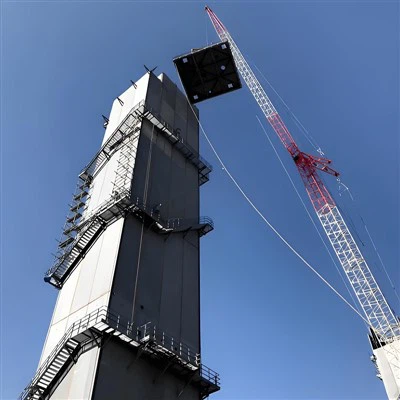
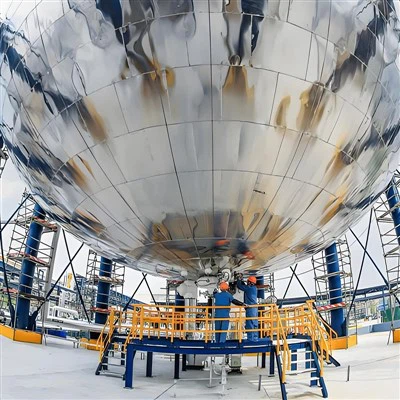
One of the key marketing strategies is to differentiate our product from the competition. We have a Carbon Dioxide Liquefaction Plant that is state - of - the - art. It allows us to produce liquid CO2 with a very high level of purity. Our CO 2 Recovery and Liquefaction Plants are designed to be energy - efficient, which not only reduces our production costs but also makes our product more environmentally friendly.
We can also offer different grades of liquid CO2 to meet the diverse needs of our customers. For instance, a high - purity grade for the food and medical industries, and a more standard grade for industrial applications where purity requirements are not as strict. This way, we can target different market segments and increase our customer base.
Pricing Strategy
Pricing is always a tricky part. We need to find a balance between making a profit and being competitive in the market. Our production costs, including raw materials, energy, and labor, play a big role in determining the price. But we also need to consider what our competitors are charging.
We can offer volume - based discounts to encourage large - scale purchases. For example, if a food and beverage company orders a large quantity of liquid CO2 every month, they can get a lower price per unit. This not only helps us increase our sales volume but also builds long - term relationships with our customers.
Another pricing strategy could be to offer a fixed - price contract for a certain period. This gives our customers price stability and reduces their risk of price fluctuations in the market.
Branding and Promotion
Building a strong brand is crucial for the success of our liquid CO2 business. Our brand should convey reliability, quality, and environmental responsibility. We can use our CO 2 Purification and Liquefaction Plants as a selling point in our branding. By highlighting the advanced technology and processes we use, we can position ourselves as a leading supplier in the market.
In terms of promotion, we can use both online and offline channels. Online, we can create a professional website that showcases our products, our production facilities, and our customer testimonials. Social media platforms can also be a great way to reach out to potential customers. We can share industry news, product updates, and educational content related to liquid CO2.
Offline, we can participate in industry trade shows and conferences. These events provide an excellent opportunity to meet potential customers face - to - face, demonstrate our products, and build relationships with industry players. We can also distribute brochures and samples at these events to increase brand awareness.
Customer Service
Good customer service can set us apart from the competition. We need to ensure that our customers have a positive experience from the moment they inquire about our products to the after - sales support.
We should have a dedicated customer service team that can respond quickly to customer inquiries and resolve any issues they may have. Offering 24/7 support can be a big plus, especially for customers in industries where downtime can be very costly.


We can also provide training and technical support to our customers. For example, if a new customer is using liquid CO2 for the first time, we can offer training on how to handle and store it safely. This not only helps our customers use our product more effectively but also builds trust and loyalty.
Partnerships and Alliances
Forming partnerships and alliances can be a great marketing strategy. We can partner with other companies in the supply chain, such as raw material suppliers or distributors. By working together, we can achieve economies of scale, reduce costs, and improve our market reach.
For example, we can partner with a distributor that has an extensive network in the food and beverage industry. This distributor can help us get our liquid CO2 to a wider range of customers more efficiently.
We can also form alliances with research institutions or industry associations. These partnerships can help us stay updated on the latest industry trends, participate in research projects, and gain credibility in the market.
Market Expansion
Once we have established a strong presence in our local market, we can consider expanding to new markets. This could be new geographical regions or new industry segments.
Before expanding, we need to conduct thorough market research. We need to understand the local regulations, the competitive landscape, and the customer needs in the new market. For example, if we want to expand to a new country, we need to know the import/export regulations, the local pricing, and the cultural factors that may affect the demand for our product.
We can start by targeting niche markets in the new area. For instance, if there is a growing craft beer industry in a particular region, we can focus on supplying liquid CO2 to these small - scale breweries.
Conclusion
In conclusion, marketing liquid CO2 produced by our Liquid CO2 Plant requires a comprehensive strategy. We need to understand the market, differentiate our product, set the right price, build a strong brand, provide excellent customer service, form partnerships, and consider market expansion.
If you're interested in learning more about our liquid CO2 products or have any questions regarding your specific needs, don't hesitate to reach out. We're more than happy to have a chat and discuss how we can meet your requirements. Let's start a conversation and see if we can work together!
References
- "Industrial Gases: Carbon Dioxide" - Industrial Gases Handbook
- "Marketing Management" - Philip Kotler