As a supplier of air separation plants, I understand the critical importance of safety regulations when it comes to transporting products from these facilities. Air separation plants produce a variety of gases, including oxygen, nitrogen, and argon, which are used in numerous industrial, medical, and commercial applications. These gases can be transported in gaseous or liquid form, and each mode of transportation has its own set of safety considerations.
General Safety Regulations
Before delving into the specific safety regulations for transporting products from an air separation plant, it's essential to understand the general safety principles that apply to all types of hazardous materials transportation. These principles are designed to protect the public, the environment, and the transportation workers from the potential risks associated with handling and transporting these substances.


One of the fundamental safety regulations is the proper classification and labeling of the products. Each gas produced by an air separation plant has its own unique properties and hazards, and it's crucial to accurately identify and label the containers to ensure that they are handled and transported safely. For example, oxygen is a highly reactive gas that can support combustion, while nitrogen is an inert gas that can displace oxygen and cause asphyxiation. By clearly labeling the containers with the appropriate hazard symbols and information, the transportation workers can take the necessary precautions to prevent accidents.
Another important safety regulation is the use of appropriate packaging and containment systems. The containers used to transport gases from an air separation plant must be designed and constructed to withstand the pressures and temperatures associated with the product. They must also be properly sealed and secured to prevent leaks and spills. For example, cryogenic liquids, such as Cryogenic Liquid Oxygen, are stored and transported in specially designed insulated containers that can maintain the low temperatures required to keep the liquid in a stable state.
In addition to proper packaging and labeling, transportation workers must also be trained and qualified to handle and transport hazardous materials. They must understand the properties and hazards of the products they are transporting, as well as the emergency procedures in case of an accident or spill. This training typically includes classroom instruction, hands-on training, and regular refresher courses to ensure that the workers are up-to-date on the latest safety regulations and best practices.
Safety Regulations for Gaseous Products
Gaseous products from an air separation plant, such as oxygen and nitrogen, are typically transported in high-pressure cylinders or tubes. These containers are designed to withstand the high pressures of the gases and are equipped with valves and fittings to control the flow of the gas. When transporting gaseous products, it's important to follow the following safety regulations:
- Inspection and Maintenance: Before transporting any gaseous products, the cylinders or tubes must be inspected for damage or defects. They must also be properly maintained and tested to ensure that they are in good working condition. This includes checking the valves, fittings, and pressure relief devices to ensure that they are functioning properly.
- Proper Loading and Unloading: When loading and unloading gaseous products, it's important to use the appropriate equipment and procedures to prevent accidents. The cylinders or tubes must be securely fastened to prevent them from tipping over or falling during transportation. They must also be loaded and unloaded in a well-ventilated area to prevent the accumulation of gases.
- Transportation Conditions: Gaseous products must be transported under the appropriate conditions to ensure their safety. This includes maintaining the proper temperature and pressure, as well as avoiding exposure to heat, flames, or other sources of ignition. The cylinders or tubes must also be transported in a vehicle that is designed and equipped to handle hazardous materials.
Safety Regulations for Liquid Products
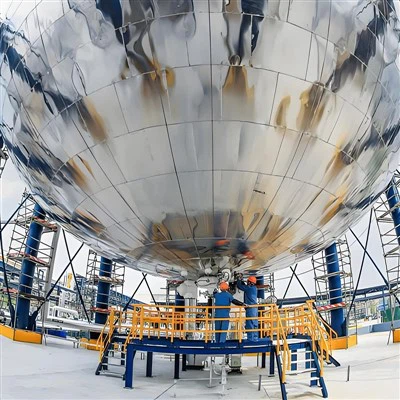
Liquid products from an air separation plant, such as Cryogenic Liquid Oxygen and liquid nitrogen, are typically transported in cryogenic tanks or trailers. These containers are designed to maintain the low temperatures required to keep the liquid in a stable state and are equipped with insulation, valves, and fittings to control the flow of the liquid. When transporting liquid products, it's important to follow the following safety regulations:
- Insulation and Temperature Control: Cryogenic liquid containers must be properly insulated to prevent heat transfer and maintain the low temperatures required to keep the liquid in a stable state. They must also be equipped with temperature sensors and controls to monitor and adjust the temperature as needed.
- Pressure Relief Devices: Cryogenic liquid containers must be equipped with pressure relief devices to prevent overpressure and ensure the safety of the container. These devices are designed to release excess pressure in case of a malfunction or emergency.
- Handling and Transfer: When handling and transferring cryogenic liquids, it's important to use the appropriate equipment and procedures to prevent accidents. The containers must be properly connected and secured to prevent leaks and spills. They must also be handled with care to avoid damage to the container or the valves and fittings.
Safety Regulations for Specialized Products
In addition to gaseous and liquid products, air separation plants may also produce specialized products, such as 90,000 M³/h Cryogenic Oxygen Plants or Industrial Air Separation Unit. These products may require special handling and transportation procedures to ensure their safety.
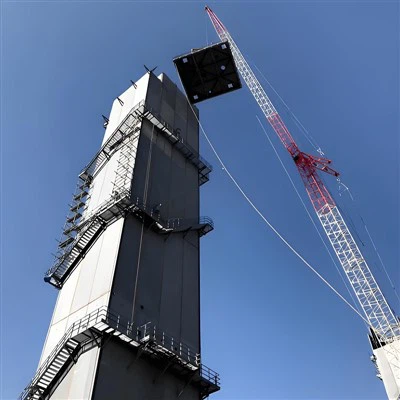
For example, large-scale industrial air separation units may be transported in modular sections that are assembled on-site. These sections must be properly engineered and designed to withstand the stresses of transportation and installation. They must also be transported and installed by qualified personnel who have the necessary experience and expertise.
Conclusion
Transporting products from an air separation plant requires strict adherence to safety regulations to ensure the protection of the public, the environment, and the transportation workers. By following the general safety principles and the specific regulations for gaseous, liquid, and specialized products, we can minimize the risks associated with transporting these hazardous materials.
If you are interested in purchasing products from an air separation plant or have any questions about the safety regulations for transportation, please feel free to contact us. Our team of experts is available to provide you with the information and support you need to make an informed decision.
References
- Department of Transportation (DOT). Hazardous Materials Regulations.
- Occupational Safety and Health Administration (OSHA). Hazardous Materials Standards.
- International Organization for Standardization (ISO). Standards for the transportation of hazardous materials.